Takeaways from Four of Philip Roth’s Best Novels


Philip Roth died last night at 85. This article was written a couple of years ago.

For the usual readers of this blog, it’s no surprise that I consider Philip Roth the best living North American writer. This opinion is shared by many other people, so I’m not alone in this assumption.  I was lucky to have read my first Roth – although in Portuguese – when I was still in college: Portnoy’s Complaint. Of course, I was duly scandalized by the  account of the life and troubles of a young Jewish American man who does not refrain from telling the explicit details of his sexual activities to a silent therapist. Maybe I was not as shocked as the readers who first came across the book when it came out in the 1960s, but the late 1980s in Recife, Brazil, were still pretty conservative for the likes of Roth. As a matter of fact, I would say the whole world still is.
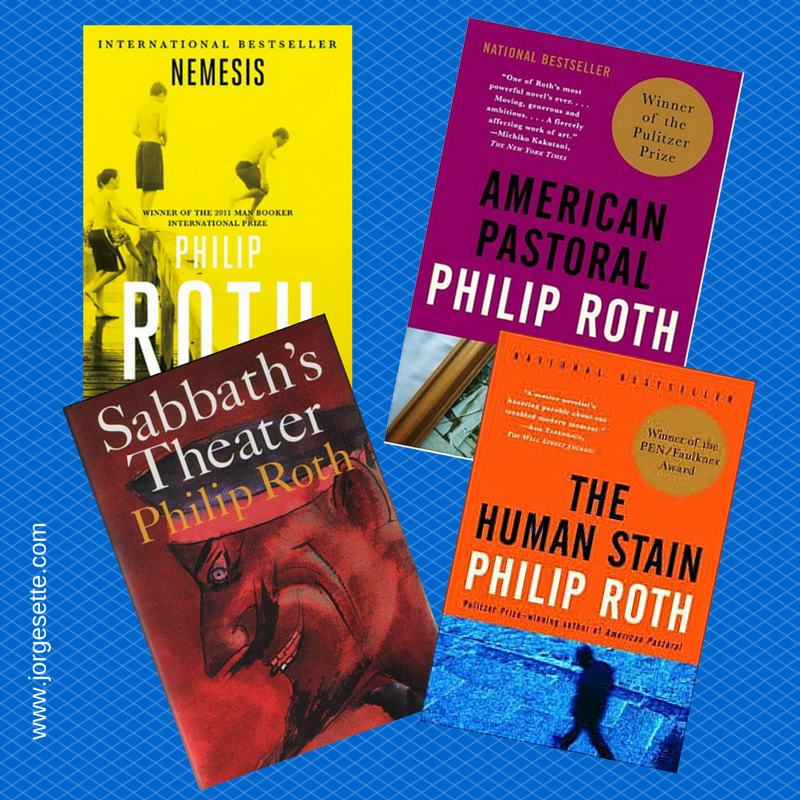
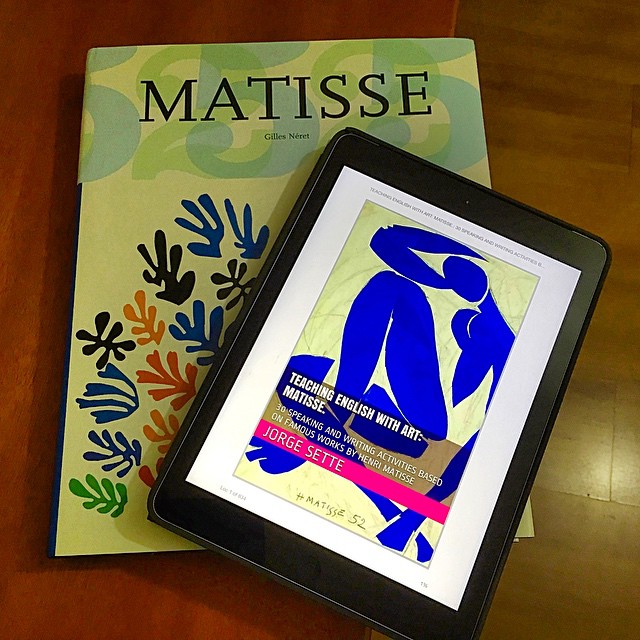
Novels by Philip Roth

Novels by Philip Roth

Roth does not mince words. He is brutal and unsentimental in the depiction of his characters,  despite the love and care you sense he feels for most of them deep down, if you read his novels attentively.  He tends to strip men and women of their social disguises, digs deep, and exposes them almost cruelly to our judgment. Some say he is a misogynist in his portrayal of women. Well, if you read Sabath’s Teather, in which he creates one of the most disgusting and at the same time fascinating male characters in Western literature, you may change your mind. He can be as harsh towards men, after all. The world is in general tougher on women and, therefore, misogynistic itself. Roth’s novels are a mere reflection of life as it is. More precisely: his novels illuminate angles and dark corners of life we try to hide from our eyes and thoughts.

This blog post has the simple objective of listing 4 of my favorite Roth novels and what I personally took away from them. Please don’t take my word for it. Immerse yourselves in the original sources and feel free to interpret them as you feel you should. The comments below may be entertaining, though. However, I’ll never presume they reveal the essence of each of the discussed works.

1, Nemesis: New Jersey in the mid 1940s. A horrible outbreak of polio causes mayhem in a peaceful community. Children are badly affected, especially the ones who live in the Jewish and Italian quarters of the city. Few families are not hit by tragedy. It’s practically impossible to run away from it. Are the gods against them or are they on their own in a world ruled by the random manifestations of an indifferent nature. Does it matter? The only option left for humans struck by horror and tragedy is to accept it and find a mental way of coping with the debris. Nothing else makes sense or will help our species. Stand up for yourself and fight on your terms. Throw your javelin with all the beauty and strength of a God (an image you will find in the book) and defy your peers in Mount Olympus.

2. American Pastoral: Winner of the Pulitzer prize for best work of fiction in 1998.  This novel tells the story of the idyllic life of a perfect upper-middle class American family,  eventually shattered to pieces when the sweet and amorous daughter grows up to become a rebel teenager and join militants in a protest against the Vietnam war, allegedly planting a bomb in the local post office and killing a bystander. She then runs away, disappearing forever from home. I guess the takeaway from this book is given in the first chapters, in a different context, when we are still in the story outside the story,  which makes the complex framing structure of the novel. Do we really know what people are like? Nathan Zuckerman, one of Roth’s recurrent characters, who may function as his alter ego, shares this painful truism with us: “You might as well have the brain of a tank. You get them wrong before you meet them, while you’re anticipating meeting them; you get them wrong while you’re with them; and then you go home to tell somebody else about the meeting and you get them all wrong again. Since the same generally goes for them with you, the whole thing is really a dazzling illusion. … The fact remains that getting people right is not what living is all about anyway. It’s getting them wrong that is living, getting them wrong and wrong and wrong and then, on careful reconsideration, getting them wrong again. That’s how we know we’re alive: we’re wrong. Maybe the best thing would be to forget being right or wrong about people and just go along for the ride. But if you can do that — well, lucky you.”

3. Sabbath’s Theater: Not for the faint of heart, this book depicts the progressive moral and physical deterioration of a man who has never had any other ambition rather than entertain people through running a marionette show in the streets of New York. It’s when this puppeteer blurs the limits between what you can do to your dolls as opposed to other real human beings that the problems start. You cannot manipulate people without suffering serious consequences. The dolls will turn on you eventually and your life will become a nightmare. The most amazing thing about the book is the ability of the writer to turn one of the most repellent characters ever created in Western literature, Mickey Sabbath, into a sympathetic and even lovable person for a legion of fans, who can sense all the humanity that oozes out of him.

4. The Human Stain (spoiler alert: you can’t discuss this book without giving some essential info away – in my defense, all I can say is the info I’m about to share will be revealed in the first chapters of the novel anyway.) This novel is not a whodunit kind of work, rest assured. A Jewish former professor and dean of the fictitious Athenas College in Massachusetts is forced to resign after, going through the roll call,  asks the class if a couple of listed students who never show up and whom he never met personally “are real or spooks”.  It so happens that in those days of the end of the 1990s spook was a loaded word, a derogatory epithet for African Americans. In the intolerant and hypocritical climate of the reign of the politically correct, the professor is the perfect scape goat, and everyone who’s ever held any grudge against him jumps at the opportunity to tap into the incident to profit from it, by destroying his reputation. Unjust, unfair, stupid. Worse: Professor Coleman Silk is in truth an African American  himself, who, for excelling in boxing when he was young and having light skin, passed for white in the eyes of a number of influencial people on his way up the sport’s ladder, and decided to assume this fake persona. He had been a youth in the 1950s and realized he would never have the same opportunities of a white person to fulfill his potential no matter how hard he tried. He is offered a way out and takes it, abandoning his family and his previous life, and recreating himself as a completely new person, whose potential could now be tapped to the full. He becomes the Jewish professor Silk. But he will pay dearly for it and for breaking other conventions of the times. He is a born transgressor.  A fighter. The reader is therefore left with the painful and disturbing question of whether he/she would have done the same thing. Haven’t we all done something similar to some extent in our lives: compromising, betraying, discarding deeply ingrained beliefs and principles to succeed and get ahead? Or at least to be given a shot at the possibility of winning, when all the odds are against us? A powerful and uncomfortable novel, I can’t stop returning to it. I’m always going back to Silk’s saga to reflect on my own values and how truthful I still remain to them.
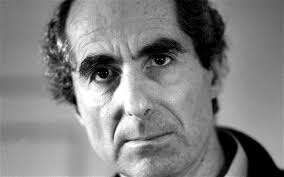
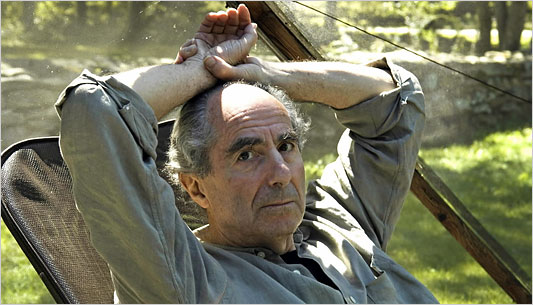
American Writer Philip Roth

American Writer Philip Roth

If you have the chance, get one of those books and read them. I can guarantee they will change you somehow.

Au revoir

Jorge Sette.

Why are you afraid of teaching English through art?


As most of you know, we have launched a series of supplementary eBooks,  TEACHING ENGLISH WITH ART,  based on the works of famous artists, to help the students practice their English (for further info on the series, please click here http://wp.me/p4gEKJ-1lS).

We have received an overwhelming response in terms of feedback. Sales fortunately are doing well too. However, we realized that some teachers are hesitating to use the materials for a number of reasons. Having gone through all the feedback we have been getting, we decided to write this post to answer some of the most frequently asked questions by teachers (or even students) about the materials.

I can't teach English through art!

I can’t teach English through art!

1. Do I need to be an art specialist to teach from these books? Of course not. The idea of these books is to extend vocabulary,  speaking and writing practice, providing more interesting and customizable topics that resonate better with the students and foster more engaging and genuine participation in the classroom. You are a language teacher, no one expects you to be an art connoisseur. Treat the topic as you would any other topic you find in more traditional course books. All the info you need  about the particular artist featured in the eBook (so far, we have Matisse, Picasso, Caravaggio, Monet and Norman Rockwell) can be found in the introduction to the book.

2. What should I teach the students about the artist? As I said before, you will find a quiz and a brief summary on the artist’s life and times in the introduction to the book and  some texts on more specific topics related to a certain painting after or before some exercises. Basically we should give the students some idea on why this artist gained so much popularity, what are the main characteristics of his/her style and the historical context he/she lived in. If possible, add an interesting anecdote about his/her life to lend  some color to your lesson: such as the fact the Caravaggio is allegedly the only great artist who committed murder; or that Monet dedicated his time to art as much as he did to gardening in his old age; or that Picasso did most of his work in a dark and damp studio at night using the feeble light of candles. A quick watch on a couple of videos on YouTube will give you a lot more info than you can possibly need, if you wish to expand your understanding of the artist. Alternatively, you can assign this pre-research to the students themselves, as part of the lesson: “get all the info you can on (artist’s name) and be prepared to talk about him/her at the beginning of the next class”

Artist's life and times. Guernica by Picasso.

Artist’s life and times. Guernica by Picasso.

3. I don’t know anything about topic/task based speaking activities or process writing. As these are the main methodological points used in the series you should familiarize yourself with them. These are important areas any language teacher should master. You need to study them. A good start with be to read the following posts in this blog: Topic-Based versus Task-Based Speaking Activities (http://wp.me/p4gEKJ-1nJ) and Writing: Focus on the Process not on the Product (http://wp.me/p4gEKJ-1ot).

4. I can’t deal with technology. These are eBooks, so I completely understand the resistance some teachers may feel towards them. Not many people read eBooks yet. However, believe me, this is the future and there’s no way back. You can check all the practicalities of ebooks in the following post 7 Reasons I prefer eBooks to Print ones: http://wp.me/p4gEKJ-yC. As for our series, all you and your students need to do is download the KINDLE app for free and install it on any device you can possibly have. It works in all systems, mobile or desktop. Get help from your students, they will know how to do it. And they will feel pleased to show the teacher how tech savvy they are. Then go to the KINDLE STORE on Amazon.com and download the eBook of your choice.

Print books versus eBooks

Print books versus eBooks

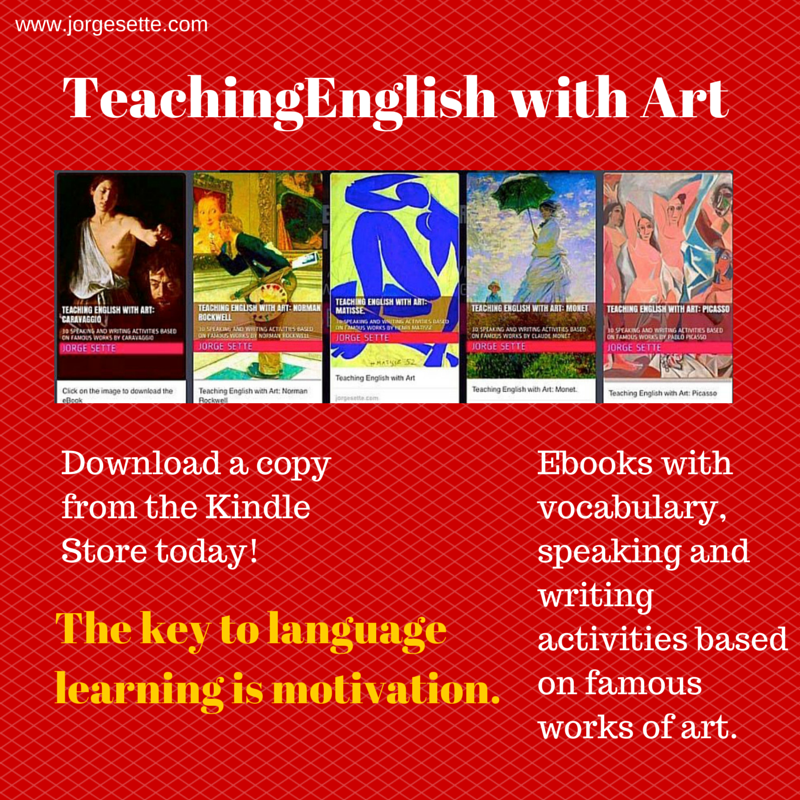
5. Which book shall I pick? At this point, we have 5 eBooks featuring a different artist each (Matisse, Picasso, Caravaggio, Monet and Norman Rockwell). They are all very popular and liked all over the world. But of course, you and your students will have your preferences. Each book has exercises at different levels (from beginner to advanced), so my recommendation would be for you to conduct a needs analysis with your class before choosing the first book. Show them the covers, show paintings (loads of pictures available on the Internet) by each artist and get them to vote for the first artist they wish to work with. I’m sure your lessons will become so succsessful you will cover the whole set of eBooks we have on offer eventually though :).

TeachingEnglish with Art: 5 artists to pick from. Matisse, Picasso, Caravaggio, Monet and Norman Rockwell.

TeachingEnglish with Art: 5 artists to pick from. Matisse, Picasso, Caravaggio, Monet and Norman Rockwell.

I hope we could answer some of your questions here. Good luck with the lessons and do not hesitate to contact me if you have more questions. We will be launching more eBooks of the series TEACHING ENGLISH WITH ART soon.

Au revoir

Jorge Sette


The Ultimate Cheat Sheet on MONET


Monet is the quintessential Impressionist artist. His paintings sell for millions of dollars today. He is one of the most beloved artists in history and enjoyed a long and productive life, spanning almost 90 years. You will not find many people who do not like his paintings. Maybe because most of them were painted in plein air or open air, the outdoors, and not confined to dark studios, a new characteristic adopted by  some artists as of the 1870s. This new way of painting was facilitated  by the easiness of transportation provided by the steam vapor trains, the more easily to carry easels and the new paints bought in the recently-fabricated screw-top collapsible tubes.

These points I listed below summarize the life and work of one of the greatest artists the Western Culture has ever produced. You can read and possibly quote from them to sound more knowleageble and sophisticated at the next dinner party you attended, if, despite loving Monet’s ouvre like most people, you don’t know much about him.

1, He was born as Claude Oscar Monet on 14 November 1840 in Paris, but spent most of his childhood on the northern coast of France, Le Havre, where his family had moved to in his early infancy.

2. He was utterly bored in the traditional school and spent most of the time drawing caricatures of his teachers and other well-known people in the town. His caricatures became very popular and he started selling them at local store, being able to earn a living very early in life.

3. He happened to meet a plein air landscape painter, Boudin, who practically became his coach and mentor, developing in Monet the taste for painting seascapes and landscapes, observing the fleeting reflections of the sunlight in the sea water, trees and leaves. After his apprenticeship with Boudin, it was hard for Monet to be happy painting or copying famous works of art as a trainee confined in the crowded rooms of museums and art galleries. His painting was all about vibrant colors, vivid scenes, ordinary people often seen at a distance, the effects of light at different times of day and in different seasons upon the same objects. An obsession for water and its innumerable ways of being represented on canvas. Monet wanted to paint contemporary life the way it appeared to him.

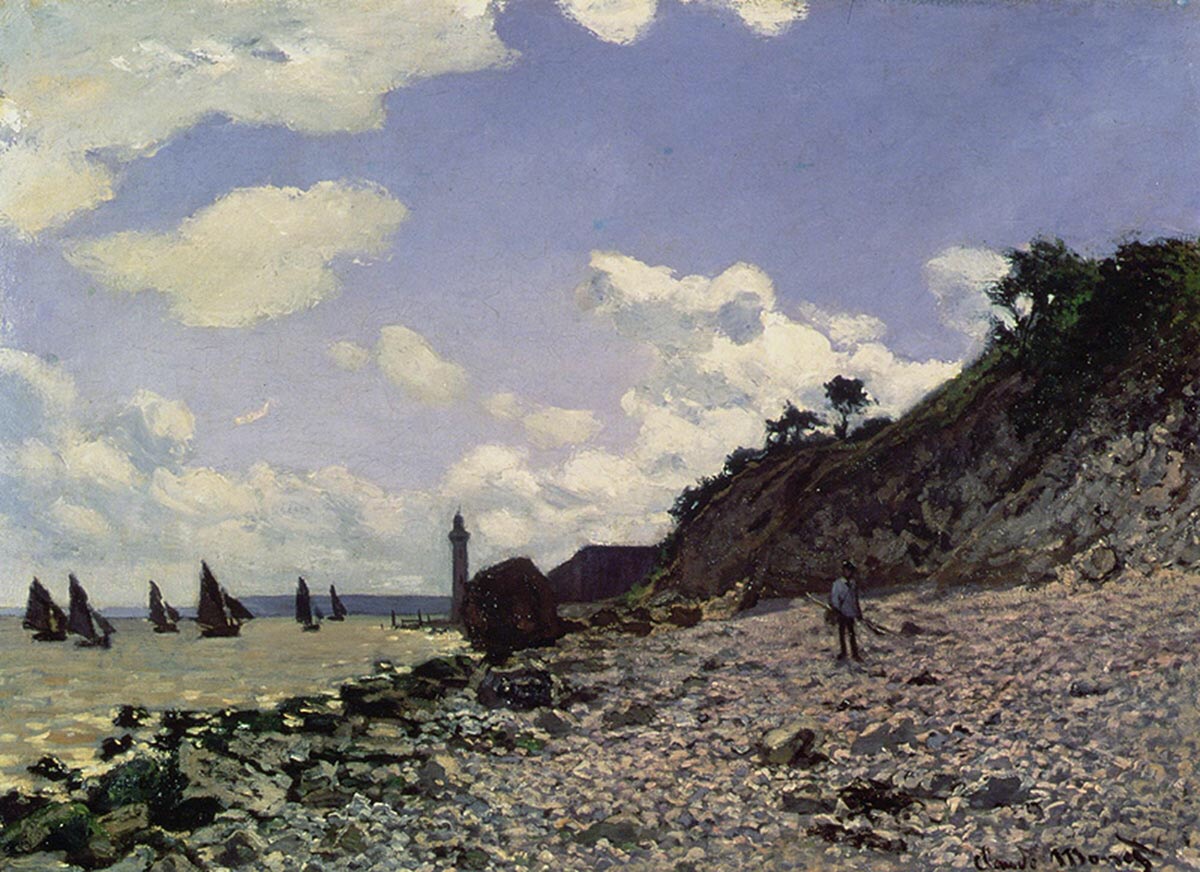
Beach at Honfleur by Monet, Claude. 1864

Beach at Honfleur by Monet, Claude. 1864

4. Monet was sent by his parents to the Acadeémie Suisse in Paris, whose flexibility and respect for the individual idissioncrasies of the students resonated with Monet’s personality. Soon afterwards he was called up for military service, though,  and served with the armies in Algeria. He claims that the exposure to the light and motifs in Africa had a great influence on his style of painting. He did not stay long in the army however. Family influence and health problems allowed him to be discharged after two years.

5. Back to school in Paris, he started as an apprentice in the studio of Charles Gleyre in 1862, where he was lucky to meet what was to compose the core of the impressionist group of painters in the future: Renoir, Sisley and Bazille. They became inseparable friends, spending a lot of time painting together outside of Paris in the forest of Fontainebleau.

6. It was very difficult for this wave of new painters to have their works accepted by the conservative official artistic exhibition in Paris, the Salón,  held ever year at the Académie des Beux-Ar, which attracted thousands of visitors. The Salón favored more traditional works of art, with perfect finishes, depicting usually historical, mythological or religious subjects. Those paintings, done in dark colors, replicated the techniques known since the Renaisssance and covered the walls from ceiling to floor.

Dejeuner sur l'Herbe, Chailly by Monet, Claude. 1865

Dejeuner sur l’Herbe, Chailly by Monet, Claude. 1865

7.  Despite having a few works accepted at the Salón, such as the Woman in the Green Dress, inspired by the woman he loved and lived with at the time, Camille Doncieux, who posed for it, Monet and his friends had most of his works refused by the Salón, which led them eventually to create their own exhibitions.

Camille (The Woman in the Green Dress) by Monet, Claude. 1866

Camille (The Woman in the Green Dress) by Monet, Claude. 1866

8. To escape the Franco-Prussian war in 1870, Monet, already married to Camille and with a son, moved to London, living there for some time and returning via Holland.  Many of his works were painted in these countries,  where he was heavily influenced by the contact with the works of Turner and Constable.

9. In 1874, the group of new artists decided to produce the first of their own parallel exhibitions, which, ridiculed  at the beginning and  attracting very few attendants, was ferociously attacked by the art critics. A famous art critic involuntarily named the movement IMPRESSIONISM, when making derisive comments about a Monet’s painting titled Impression: Sunrise, which showed a simple blotch of red color representing the sun hovering over the sea and casting its reflections on the water for the delight of a few early fishermen in a couple of boats. The artists of the movement did not not take the critic seriously and started using the name for their style, as they had enjoyed what was meant as an insult. The exhibition grew every year, being repeated 8 times over the course of the next 12 years. As times moved on, the eyes and minds of the viewers, influenced by the increasing praise of art critics, began to appreciate and accept the new artistic movement.

Impression, soleil levant (Impression: Sunrise) by Monet, Claude. 1872

Impression, soleil levant (Impression, Sunrise) by Monet, Claude. 1872

10. Around 1990 Monet started developing his famous series paintings: featuring haystacks, poplars, the cathedral of Rouen and the famous water lilies, which he showed in a number of sequential cavasses, many of them painted one after the other, with the artist moving from one canvas to the next, arranged in a row in the fields, so that he could capture the slight variations of the effects of the changing light on the subjects, as the sun moved in the sky. He would work on them in a sequence of consecutive days.

11. A heavy smoker, Monet died of lung cancer on 5 December 1926 in his house in  Giverny in 1926,  where he had created a wonderful garden and a pond in the grounds of the property, which he began to use as the main topics of his latest paintings. He lived a full, long, productive and recognized artistic life. His house and garden in Giverny are famous and popular turistic sites in today’s France.

For those of you who are English Teachers and love Monet and art in general, we offer a wonderful collection of didactic eBooks for the students to practice vocabulary, speaking and writing, based on the works of famous painters: TEACHING ENGLISH WITH ART. The series is comprised of 5 books so far, and features works by Matisse, Picasso, Caravaggio, Monet and Norman Rockwell. For further information on how to download the materials, please click here: http://wp.me/p4gEKJ-1lS

Check this brief video on the material on TEACHING ENGLISH WITH ART: MONET:

Hope you enjoy the ebooks. Give us your feedback by rating them on Amazon.com or by writing some feedback in the comments section of this blog post.

Au revoir.

Jorge Sette.

How beautiful do you need to be in the XXI century?


Do you live in 2015? So you need to start behaving like you do.

Start off  by finding the answer to the question in the title of this post and setting your goals with precision and determination.  Start acting, time is not on your side.  Do you need to look (more) beautiful to keep your job,  to find a new job, for your spouse, for yourself, because of the pressure of  the society to look eternally young and fresh, or maybe do you need a correction for a bodily defect? Take a hard look at yourself in the mirror, go through your thousands of selfies, talk to your therapist and make a decision. Examine every section of your body, it’s not only about faces anymore. Everyone seems to be doing this. You will be feeling isolated and disconnected if you don’t start soon.

Just take a look at the profile  pictures of the list of  your friends on Facebook or dating sites you may use: if you don’t use dating sites or apps,  sign up today, you won’t stand a chance of meeting anybody in the real world anymore.  It won’t take you long  to realize that everyone is scraping off a couple of years from their details, if not decades.  If you are 55 – apparently the end of life to date someone online or get a job –  photoshop yourself and pretend you are 45 or younger.

I watched a program on E!  the other day (“Botched”)  in which,  apparently,  these two renowned plastic surgeons fix botches  or errors made by some of their peers. People, especially  in Los Angeles, the Mecca averyone in our culture seems to be looking up to for the new standards of beauty, fashion, lifestyle and voyerism, will not accept the body they were born with any longer. They treat it  as discardable pieces of clothing to be changed and replaced by a new one every now and then as they wish. Wa have started finding it more and more common to expose as much as we can about our private lives through social media, dating sites and reality shows. Therefore,  we need to fit the bill, make the grade. Look beautiful. In the 90s and before, only giant billboards over Times Square could do that kind of magic, launching careers for the likes of Marky Mark  (Mark Wahlberg, who posed for an explosive Calvin Klein underwear campaign). Now the potential to project yourself internationally and become a celebrity is within everyone’s reach, or at least, we think so.

Mark Wahlberg in CK underwear.

Mark Wahlberg in CK underwear.

I watched the doctors’s show on E! in a state of trance and disbelief, and I’m trying very hard not to sound judgmental and self-righteous here. I  struggled to understand how these people feel, what they suffer, the source of their eternal dissatisfaction  with themselves, which makes them undertake the risk of hundreds of painful surgical procedures to add, cut, move, reposition, enlarge, narrow and change body parts as if they were playing with cartoon characters on a drawing software. Worse: they all looked weird and doll-like in the end, far from beautiful, in the classical sense, but maybe these will be the new standards in the upcoming years. My perspective on beauty may be getting dangerously outdated.

One of the patients on the show had gone through a number of operations to make his face look like Justin Bieber’s, his idol. He looked nothing like the original in the end, but he was happy and kept trying. There were certain things he wanted done – such as shrinking his jaws –  that the doctors would refused to do, though. He said he would consult other doctors instead. A woman  with size DDD cups, who could hardly keep her breasts inside the blouse, was angry because the doctors wouldn’t make them even bigger. Nothing will stop her. If she needs to go to Tijuana to have them enlarged by the local doctors who use ice bars for anesthetics, as told by another patient who was trying to reposition her navel and had this nightmarish experience in Mexico- she will not hesitate. There was also the case of a gay man who will not stop at anything to make himself have Barbie’s or Ken’s looks. At first I thought he meant Ken’s, but then, as the program progressed, I was under the impression he wanted something more radical: an amalgamation of Ken’s and Barbie’s looks in his own body.  He looked totally plastic and robot-like to the naive and unsophisticated eyes of someone like me, who grew up by the beach in Recife, in the northeast of Brazil, where people could not be more natural in the way they looked physically.

Human Ken/Barbie

Human Ken/Barbie

A gay friend showed me a matchmaking app named Grindr, which operates as a virtual shopping catalog, showing parts of the body of strangers – usually toned or heavily worked-out headless torsos of young men –  they may contact and meet at the touch of a button. The people will show up on your device screen if they are geographically near you, which, supposedly, adds to the immediacy of the satisfaction and completely eliminates the concept of delayed  gratification. The guys on the app seem to be all the same: if you don’t look like a porn star (they immediately exchange more explicit photos after the first contact is made, so all the physical info is made known), your chances of having someone continue your attempts at making  conversation are meager. And even if you look like a Greek god, I was told, the real contacts rarely happen, as the parts keep canceling and postponing the actual meetings forever. The fear of the real is palpable and insurmountable.

I don’t mean to be nostalgic about the old ways of flirting and dating. They did not work that well either. And there is no way they can compete with the optimization provided by these new dating apps in some respects.  If you are lucky enough to meet the person you contacted through the app outside the virtual world,  you’ll already be armed with a load of information about him/her (most of it fake or distorted, just like in real life, when people talk about themselves). It saves a lot of time. It’s just the new way of doing things. We will have to get used to it.

People have also always worried about how good they looked. It may be only my impression that things may have gotten a bit out of hand now. I wonder how historians will analyze this period we are living now and how all these changes – which actually started back in the sixties – will reshape the human race and its values and behaviours.

Good luck with your bodily alterations.

Jorge Sette.


What’s the job of art?


It’s hard to define art: be it music, literature, visual arts, drama, etc. I would prefer to say that life would be impossible for most people without it. Call it escapism, if you wish.  Life can be very dry and purposeless without the varnish of art. It can be very lonely. Even meaningless. As Tennessee Williams once said:

“What implements have we but words, images, colors, scratches upon the caves of our solitude?”

Art is any expression of human emotion and feeling. It’s the telling of a story. We are all artists one way or another. This does not mean our work will be recognized in our lifetime or sold for millions of dollars in galleries, but what counts is what it does for you. The officially recognized great works of art follow criteria that varies according to time and audience. Their market value rises and lowers  at different times. So, we, as simple viewers or artists, should not care about what is considered by the experts GREAT ART. Give yourself the right to make or evaluate art,  based on your own guidelines. More than that, every piece of art which can transport you to a world that makes you happier, or feel more intensely, or evoke cherished memories, or give you hope and peace should count as great. It can be your creation or someone else’s.

I never forget the moment I first saw painter Peter Paul Rubens’  Samson and Delilah (picture below), while roaming the halls of the National Gallery in London. I did not know that painting. It beckoned at me from a distance and made me walk, transfixed, in its direction, wide-eyed and excited. Sensual, colorful, showing  unusual uses of a number of light sources to illuminate the scene,  and telling a story: that is all I wanted from a painting. I may have spent the next 20 min standing in front of the huge painting staring at it, looking like an idiot, with a silly smile glued to my face. Then I went back there two more times in the course of a 10-day vacation in London to experience the power of that painting again – it’s a good thing the National Gallery has free admission!

Samson and Delilhah, 1609, by Peter Paul Rubens. National Gallery, London.

Samson and Delilhah, 1609, by Peter Paul Rubens. National Gallery, London.

I found a copy of the painting on the Internet and excitedly emailed it to some of my close friends telling them how I had felt looking at it. That’s another thing about great experiences, it’s hard to enjoy them alone, you need to share. This post is obviously part of this need.

As for literature, another great type of  humanity’s artistic achievement, how many times have I drowned my sorrows by reading a novel by Philip Roth (one of my favorite writers, as many of you readers of this blog already know): the misery and problems of his characters far outweigh mine and serve as solace by giving me a deeper understanding of human beings. Roth is brutal and I doubt he intends to offer any comfort to the reader through his stories – but he does, regardless of what his original aim might be.

Author Philip Roth

Author Philip Roth

At the end of 2014, having some free time, I had the idea of combining two of my greatest passions – the English language and visual arts –  in a project: the series of ebooks of the series TEACHING ENGLISH WITH ART (for further info check out this post http://wp.me/p4gEKJ-1lS ). I figured I could not be alone in enjoying studying a foreign language in the context of powerful images that would take me beyond the walls of the dreary language classroom and make me dream. I was right: after self-publishing eight ebooks and with a ninth coming out soon, I noticed that many other people all over the world shared my passions.

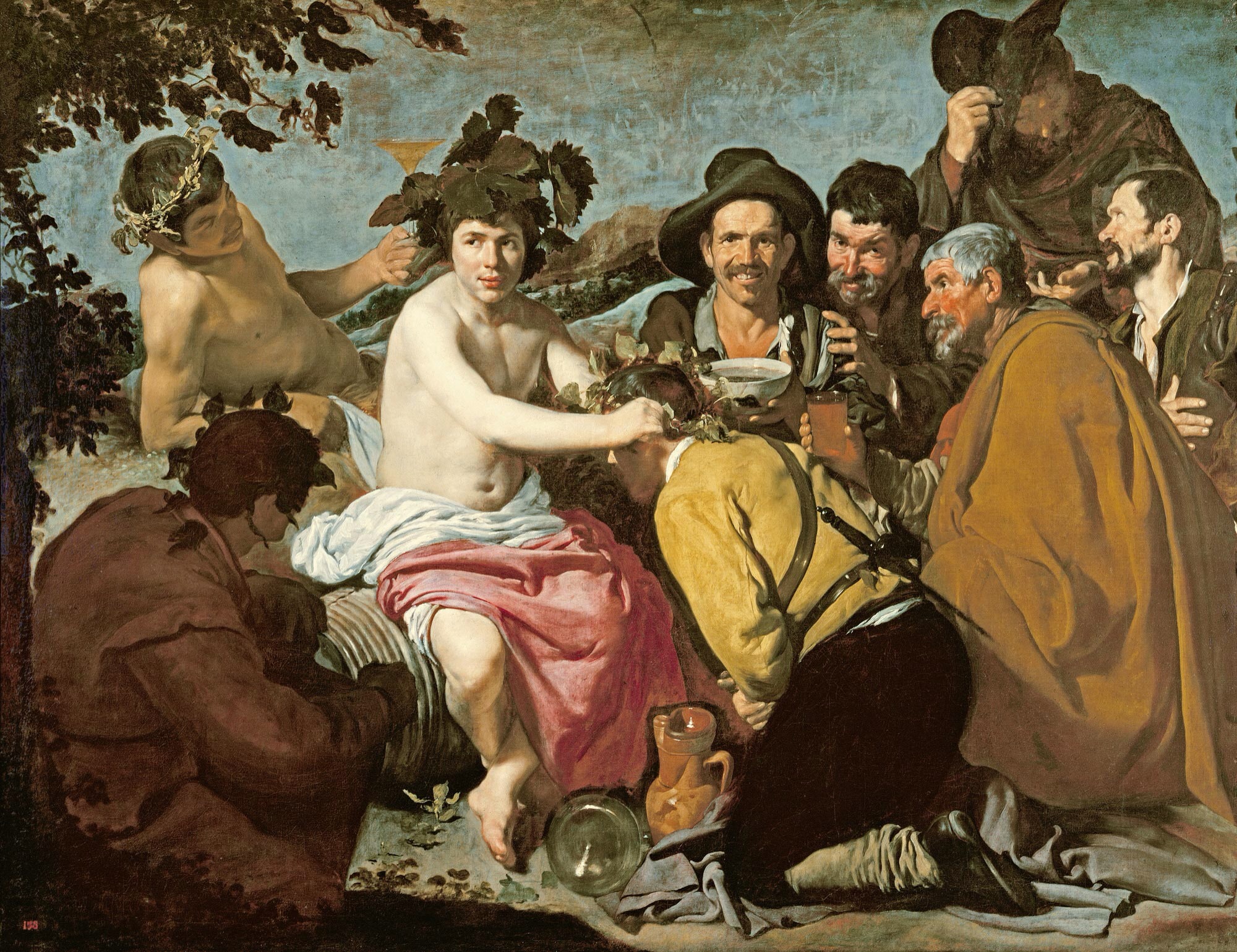
When I was a language/literature student in college, we had a very dry and uninteresting subject: Portuguese literature. I appreciate some may love it – art is individual and personal. But I must admit I loathed the company of Camoes and his  jingoism, despite the excellence of the teacher and her love for the subject. One day, however, she surprised us with a different approach to the teaching of the boring Portuguese literature of the Baroque era: she brought a projector to the classroom and contextualized  some of the visual art movements – which are inevitably reflected in the literature of the time – by showing works of famous artists. That was my first contact with Velázquez and his “borrachos”, partying with Bacchus. The teacher’s explanation of the painting and the artist was vibrant. The class was in awe. We were always in a hurry to leave the session and enjoy our cheap beer on Friday evenings (those were evening classes). That day, however, most people couldn’t care to leave when the class came to its official end, and let the teacher carry on for as long as she wanted. We had started to refine our taste: it was better to see Bacchus inebriate his minions than go out to Olinda and get drunk ourselves.

The Triumph of Bacchus, Velázquez, 1628, Museo del Prado, Madrid.

The Triumph of Bacchus, Velázquez, 1628, Museo del Prado, Madrid.

Au revoir,

Jorge Sette

5 features that make a movie or TV show great


In this day and age of superhero movies, I’m going to dare to give you guidelines on how to judge the quality of a movie. Great movies don’t make money, this is a fact. The reason commonly given is the populace is too dumb and unsophisticated to appreciate their merits. I don’t want to go into this discussion as it spills way beyond the scope of this humble post. However, the opposite is not true either: don’t think that just because a movie delivered a poor box office it deserves any praise. It may be simply because…well…it’s crap. Good movies usually:

1. Focus on character not on plot. Despite the well-known structure of storytelling dug out by mythologist Joseph Campbell and turned into a simplified manual for Hollywood scriptwriters, spelling out all the steps that need to be present in the hero’s journey for a story to resonate with the audience, writers and directors still need to highlight characters. The plot needs to be there, its phases followed in new and  creative ways, but strong characters are what we remember about the best films we see. We may not remember details of the story, but Marlon Brando’s Vito Corleone in the Godfather, Robert De Niro’s Trevis Bickle in Taxi Driver or Robin Wright’s Claire Underwood in House of Cards  are unforgettable.

Marlon Brando as Vito Corleone

Marlon Brando as Vito Corleone

2. Have complex characters. These great characters have the following common characteristics: they don’t comply to black and white codes of ethics, they tend to develop their own morality and follow it consistently; they show either superior intelligence, or charisma or beauty. Or all of them together. Understatement is their main weapon. They do not say everything: a lot needs to be inferred by their eyes, their turn of head, they way their mouths hang open for slightly longer than necessary. They are subtle and complex. We never get to understand their inner agenda to the full.

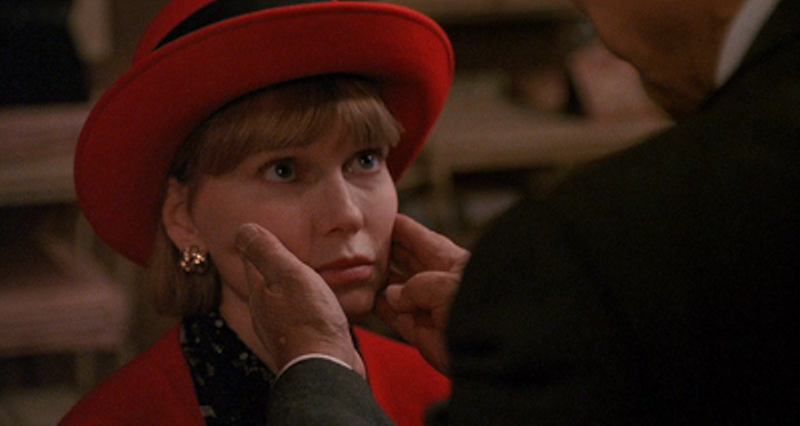
3. Have scenes played against the grain. Great movies catch the audience off guard, surprise them. They use, for example, as the commentary for a acene, a song  or piece of music that means its exact opposite or that does not belong to the historic period or place the story takes place. The use of LA CUMPARCITA in Woody Allen’s  Alice,  which takes place in contemporary Manhattan – the music plays as Mia Farrow’s and Joe Mantegna’s characters, after taking a magic potion that makes them invisible, pay the taxi driver and the doors of the car open for them to leave completely unseen; the voice over quips: “nothing shocks NYC cab drivers”  – enhances and adds to the humor and oddity of the situation.

Mia Farow as Woody Allen's Alice

Mia Farow as Woody Allen’s Alice

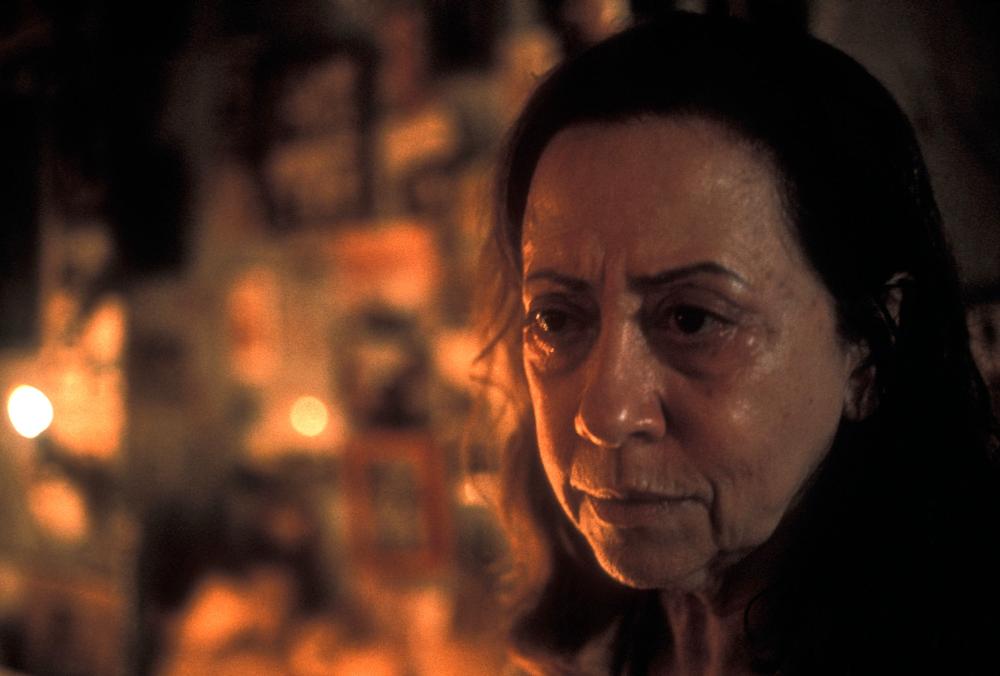
4. Let emotions emerge naturally. These movies do not manipulate their audience to make them weep. Sentimentality makes films that could otherwise be great syrupy and corny. Emotions must reflect real life and its poignancy to work as art. Think of the scene in Walter Salles’s Central Station in  which the character played by Fernanda Montenegro is shown, in a montage, writing a series of letters to relatives of people who are illiterate and therefore can’t write themselves. They are real people in this particular case  – but might as well be actors – from a small city in the northeast of Brazil, and the succession of short scenes showing these people dictating their messages breaks ones’ heart with their truth, simplicity and beauty.

Fernanda Montenegro in  Walter Salles's Central Station

Fernanda Montenegro in Walter Salles’s Central Station

5. Don’t show or say everything.  Life is not neat. Great movies reflect life yet show it through a more interesting angle. But not all must be solved in those two hours a movie lasts. Life is a flow and conflicts are rarely resolved in their entirety. There is no need to explain every character’s motives or reactions or  tie all the loose ends of the story by the conclusion of the movie or TV show. Let the audience wonder. Give them opportunity to use their imagination. Take the typical end of the iconic 2001 a Space Odyssey. If you haven’t read the book, and there’s no need to (it was written to go with the movie), the last 15 min of the movie are all up to you. What is going on? What does that trip to Saturn really mean metaphysically? What’s this guy shown in progressive stages of aging. Who’s this fetus in the intergalactic womb? The viewer will keep those images for a long time in their minds (in my case,  for decades!) and neve stop trying to figure them out.

2001 A Space Odissey

2001 A Space Odissey

Well, great movies are not supposed to follow recipes. So now throw all I said before out of the window and make your own rules.

Good luck

Jorge Sette.

Modern times or the girl who almost got run over by my bike


It’s no news that most people, including me, spend 90% of their waking hours staring idiotically at the various device screens we carry around wherever we go – or, more likely – wherever we stay, motionless. My eyes keep shifting from my iPhone to the iPad to the laptop, and back to the iPhone again for hours on end.

We all check our social media news feed and timeline hundreds of times a day, count the likes and shares on the latest clever joke or quotation we posted, watch carefully the pictures of what our friends are eating, the problems they are having with traffic jams or with their kids.  I didn’t use to care at all what my friends’ kids did over the weekend or the costume they wore for the latest school function: now I follow these events with the attention and interest I used to devote to facts such as  the beginning of the Iraq War or the the inaugural speech of Queen Dilma. We won’t stop answering our messages about nothing on whatsapp or looking for our next prospective date on Tinder. The date will never happen in the real world, as one of the parties will cancel 5 min before the scheduled coffee, but this does not stop us from keeping trying and hoping for the best. Do married people do the same? Is that how they have lovers and affairs today?

I can’t cook well, but the Internet emboldens me to pass on tips on the kinds of seasoning and ingredients my relatives should use on their pasta for their next Sunday lunch – by the way, I will not be taking part in it, as they live in Recife, some 3,000 km from where I live –  and offer expert advice and consolation to my cousin who broke up a 10-month-old relationship  with her boyfriend, with the authority of a marriage councellor.

The current times are no doubt different from how we behaved only ten years ago, when our lives were more real than virtual. But what worries me is not to know if this is worse. I’m not complaining.

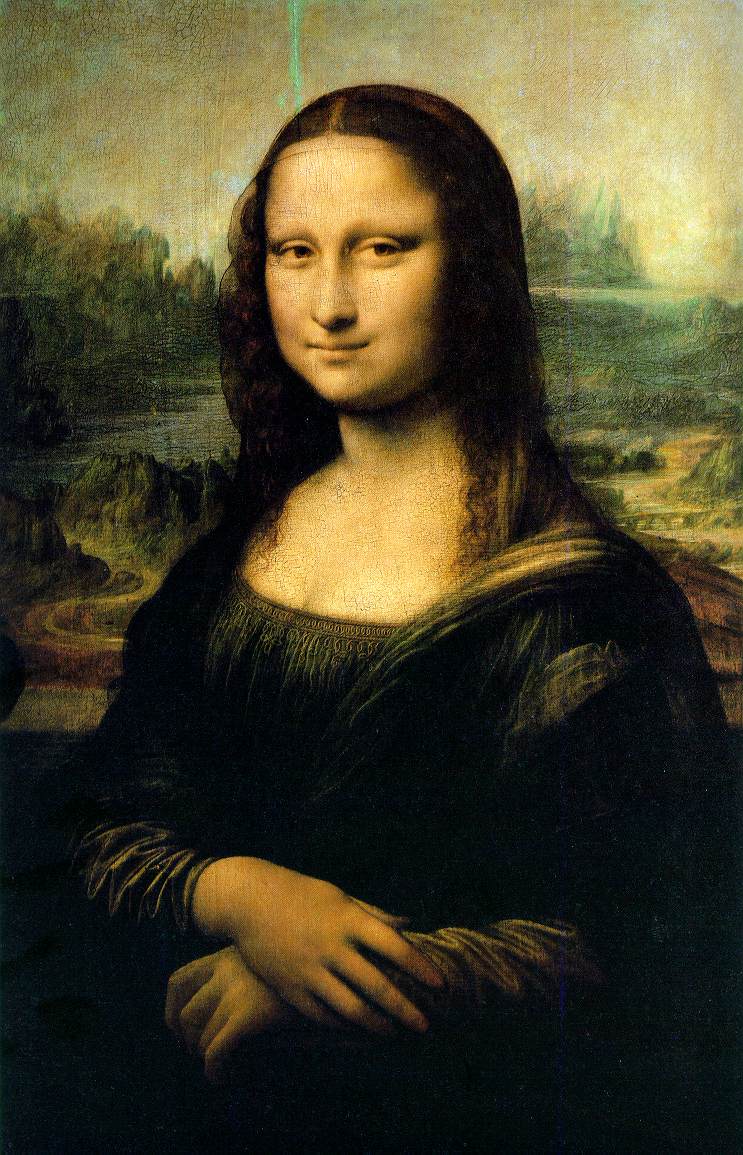
I have always been an avid reader and nothing in real life compares to the excitement I get from a well-written novel by Philip Roth  or an insightful factual book by Malcolm Gladwell, from whom I learned that, to excel in anything at world class level,  one needs to devote at least 10,000 hours to the practice of that skill: I counted nervously how much time I had left on Earth based on the average longevity of the members of my family – maybe I should have left the women out of the calculations, as they tend to outlive their men by many years – and was thrilled to find out that I still could pick a skill and try to become a Leonardo da Vinci at it.

I could still become a Leonardo da Vinci if I practice for at least 10,000 hours.

I could still become a Leonardo da Vinci if I practice for at least 10,000 hours.


So, if life as portrayed in fiction and non-fiction books is so much more enticing than reality, who are we to judge the validity of the virtual lives of today’s world – especially teenagers’ and kids’ – who have never known any other kind of life?  This is just a fact of human history, an unexpected turn taken by the course of our species,  and there is no way we will ever be the same again. Artificial intelligence, robotics, 3-D printing  and genetic engineering are already on our doorstep, and the possibility of cloning yourself so you can have the ideal partner for life cannot be that distant in time.

Let’s embrace change. Disturbing? Definitely. But life is exciting for this very reason. Some people claim that it’s death that gives life meaning. We wouldn’t be able to love or appreciate anything if we did not know there would be an end to it. Soon.  Well, death is a kind of radical change, so the same goes for technology – we are living and appreciating a totally new life style, more and more isolated from the real (as opposed to virtual) contact with other human beings and nature, and getting used to it at an amazingly fast pace.  I foresee a time when the only opportunity we will have to be touching other people’s skins will be during the Carnival in Vila Madalena, when it’s impossible to avoid the barbaric crowds gathering around you, and I can’t refrain from flinching at the idea. Can’t we all do our own ALALAÔ from the comfort of the hammocks in the verandahs of our tiny apartments via Skype?

Physical contact with other people will be considered more and more dangerous and rare, as we immerse in our virtual worlds, moulded to our own tastes and specifications. Yesterday,  for example, I eagerly anticipated a time when, riding my bike,  I wouldn’t run the risk of running over a beautiful teenage girl who all of a sudden crossed my path at Parque Villa Lobos in Sao Paulo with her head down and eyes glued to the screen of her smartphone. As I yelled to warn her against the imminent catastrophe, she simply looked up at me with a defiant look in her face and carried on crossing the street as if I was just an annoying piece of Candy Crush Saga which wouldn’t align to her taste! I should have kept using the stationary bike at home.

Au revoir,

Jorge Sette.


Rockwell…well…rocks!


Norman Rockwell was born in New York City in 1894. Growing up in a middle-class family in the Upper West side of Manhattan, Rockwell was never comfortable being a city boy. Although he spent the first years of his life in this urban environment, he thrived whenever he and his brother were allowed to spend some time in the countryside.

From a very early age, Norman knew he wanted to be an illustrator. He was hired as art director of Boy’s Life, the scouts’ official magazine, when he was still in his teens. However, he became nationally known after he started his 47-seven-year collaboration with The Saturday Evening Post, having painted more than 300 illustrations mostly for the cover of that popular magazine.

Triple Self-Portrait, 1960.

Triple Self-Portrait, 1960.

Rockwell can be considered a family man in the sense that he was married 3 times and had 3 kids from his second wife, but most of his time he was dedicated to his work: 7 days a week, 12 hours a day. There was never much time for his wives and kids. Many say he was a detached and distant husband and father. He also travelled a lot, within the US and all over the world, always carrying on painting during these trips.

Rockwell never considered himself an artist, but an illustrator, specializing in genre scenes, depicting life in small-town America. His illustrations always have an element of humor, but you never fail to sense the pathos injected in the narrative as well. He was one of few popular realists in the world of modernist art of the XX century, where abstract painting ruled.

Before painting his models, he tended to have them photographed by a professional in the specific positions he wanted them to pose. His studio was full of props and costumes available to the models in the sessions. He was very particular about the way he wanted people to pose for him. In New York he used professional models, but when he moved to Stockbridge, Massachusetts (from Arlington, Virginia) he started to choose models from the members of his own community: his relatives, friends and neighbors. He always had a photographer with him. He would paint afterwards based on these photos.

The paintings of Rockwell are usually regarded as the best representation of simple, pure and strong American values. As a matter of fact, he helped create these values and the American identity itself, in a land packed with immigrants from the most different cultural backgrounds and without much cohesion among themselves in the early 1900s. His illustrations – although not always depicting scenes of an accompanying written narrative – are one-frame stories in themselves. His art is all about visual storytelling. You can infer a whole narrative just by looking at one of his illustrations. No wonder, George Lucas and Steven Spielberg – two of the most popular storytellers of the last decades of XX century American cinema – are among his greatest admirers and owners of important collections of his works.

Rockwell was the opposite of the common stereotype of a bohemian Greenwich Village artist. His friends say he was polite, funny and meticulous. Some claim he was a neat freak, who would spend hours cleaning his studio and washing his brushes many times a day. He was a bit of a loner as well.

Together with Walt Disney, Rockwell is the most beloved American artist of the twentieth century. Of course, their work had a lot in common: they were both visual storytellers, capable of charming and mesmerizing their viewers with wonderful drawings, colors and movement. The animation in Rockwell’s work was obviously only suggested, as he dealt in illustrations, but they are never static. His brush lent them an inner life and dynamism that completely won over his audience. The triple self-portrait illustration (1960) we see above is an example of the charismatic paintings he could produce.

After working for almost 50 years as the main illustrator for the conservative Saturday Evening Post, Rockwell transitioned to the more liberal Life Magazine, where he could explore themes more relevant to the tumultuous times he was living in: the sixties. There, he could produce illustrations that talked to the main issues of the era: racial segregation, women’s liberation and the spacial program. In this post, we show one his most important works of this period: The Problem We All Live With, from 1964, where he depicts the first Afro-American child – a girl – to go to a desegregated school in New Orleans in 1961, facing all kinds of bullying, mainly from white mothers and teenagers on her way to class. She needed to be escorted by US marshals to be able to get into the school. Her name was Ruby Bridges and Rockwell’s illustration became an icon of the Civil Rights Movement.

The Problem with All Live with, 1964.

The Problem with All Live with, 1964.

On November 8th, 1978, at the age of 84, Norman Rockwell died peacefully in his sleep, due to emphysema. He had already begun to show symptoms of dementia in his final years.

The Norman Rockwell Museum in Stockbridge, Massachusetts, was founded in 1969 and houses the world’s largest collection of his works.

Norman Rockwell is the 5th volume of our successful series of eBooks TEACHING ENGLISH WITH ART. If you wish to know more about the series, please click here: http://wp.me/p4gEKJ-1lS

Take a moment to watch the video clip of TEACHING ENGLISH WITH ART: NORMAN ROCKWELL

Au revoir

Jorge Sette


Teaching English with Art: Norman Rockwell


Teaching English with Art! This ebook is a wonderful supplement to any coursebook or extra materials your students may already be using in the English class. It contains 30 speaking and writing activities for classroom use, based on some of the most striking works by one of the most loved American artists of the XX century, NORMAN ROCKWELL, famous for his illustrations. The objective of the ebook is to expose the students to art while teaching English, fulfilling therefore one of the tenets of effective language acquisition: providing a realistic context for the language to be learned and practiced as a means to an end. Your students will love to exercise their English discussing the works of Rockwell This is a proven way to make language acquisition fun and effective by creating in the classroom an atmosphere of interest and motivation. Each activity is clearly correlated to the COMMON EUROPEAN FRAMEWORK OF REFERENCE (CEFR), and the level is stated next to it.

Click on the image below to download the ebook:

Teaching English with Art: Norman Rockwell

Click to the image above to download the eBook.

Take a moment to watch the video clip of TEACHING ENGLISH WITH ART: NORMAN ROCKWELL

Au revoir

Jorge Sette

Getting your students to speak in the language class


Despite  Steven Krashen’s famous methodology of language acquisition, in which he claims students must go through a silent period before they can speak, we know how anxious our students are to start producing the target language from day 1.  This silent period is the time learners need to be exposed to enough comprehensible input so they can absorb the language and be able to speak it. It emulates what happens when kids acquire their first language. Having said that, it’s a fact that motivation also plays a key part in language learning, and setting up speaking activities from the very beginning of the language course will not, in my opinion, have any negative effect on the students’ development: they will not be able to do much, though, but that is OK. Motivation will work wonders. The elementary level, which is usually known as A2 in the Common European Framework benchmark, would be the ideal moment to start with speaking activities, but don’t worry too much if you have to do it earlier to please your students.

Teachers usually complain about the same problems when they set up speaking activities: students might not know what to say, they are shy to speak in public, they don’t know enough about the topic, they are not that interested in the topic.

Students don't know what to say.

Your students don’t know what to say.

So, as a teacher and teacher trainer, with many years of experience, and with the help of a number of methodology books I have read throughout my career, I would humbly suggest a few tips to get your speaking activities going smoothly in the language class. See the main points below:

1. Decide whether the activity will be task or topic-based: a task-based activity typically  involves the use of language as a means to an end. The students, for example, are given a problem (e.g. give each pair of students a list of 10 objects and ask them to discuss and negotiate the following problem: you are stranded on a desert island, if you could pick 5 of these 10 objects to have with you on the island, which ones would you both pick?). To pick the objects, they will have to justify their choices.  On the other hand, a topic-based activity requires the students to discuss or talk about a specific subject (e.g. what’s your country’s situation concerning racism?) The more they are able to personalize the topic, contributing their own opinions and experiences, the more they will have to say about it. If you wish to read more on this, please refer to my previous post “Topic-Based versus Task-Based Speaking Activities”: http://wp.me/p4gEKJ-1nJ

2. Give them context (input):  Before setting up an activity, expose the students to some linguistic or visual context, so they can rely on some form of scaffold to help them structure their output. The stimulus can be established through a text, a picture, a video clip or a listening passage, for example. But it’s important that the teacher introduce the topic, or brainstorm some vocabulary and ideas about it before having the students talk about it.

3. Brainstorm: depending on the input the teacher chooses to use in the step above, the brainstorm will be more or less controlled. If the students have been given a written text, for example, the teacher should work on it and exploit some ideas and related vocabulary and grammar. If the teacher starts by showing a painting by a famous artist,  the brainstorming will have to be longer and less controlled. The students will probably have to learn some new vocabulary as well, get to know something about the artist and his times, or even his style and technique. Always elicit info from the students before spoon-feeding them with ready-made answers: you might be surprised about the vocabulary they already have or their knowledge about the topic.

4. Get them to work in pairs and/or small groups as often as possible: do not put the students in the awkward position of speaking in front of the whole class right at the beginning of the exercise. Give them time to prepare their answers. The best way to do that is, of course, to put them in pairs or little groups, so they can participate more and not feel intimidated by a big audience. Many times they won’t even have to speak to the whole class at the end, or you could ask only for volunteers to share their work. During the activity, however, make sure you go around not only monitoring the different groups but also lending them a hand.

5. Focus on fluency: the aim of the speaking activities we are discussing in this post is not to drill grammar points or practice vocabulary,  or even pronunciation, in a controlled way. As the students produce their utterances, make a mental note or write down discreetly some of the most common mistakes made, especially the ones that involve grammar or vocabulary already taught in previous lessons. Do not interrupt the students for correction, unless you don’t understand what is being said. Decide on what you are going to focus on for correction in each activity, then, at the end, or in a future lesson, list the mistakes on a handout and pass them to the learners, so they can correct the mistakes in pairs, without  necessarily naming the perpetrators.

6. Personalize the activity:  people like to talk about their own experiences. Design questions that allow them to talk about their own tastes, aspirations, experiences and life in general.

7. Make the questions as opened-ended as possible: to make this personalization possible, try to design questions that allow for open-ended answers, do not look for right/wrong answers, but for opinions and suggestions.

8. Make the activity as relevant as possible:  choose topics or direct the discussion towards a path that is relevant to the group of students you have. The same speaking activity can be slightly changed to reflect the reality and interests of a different group of students. The closer they feel to the topic being discussed or the task being proposed the more productive the result will be.

Some speaking activities will go better than others, as you know. Don’t give up on a well-prepared exercise if it does not work well with a particular group of students. Try it a number of times with other students: it might work better. The important thing to remember is the more the students are exposed to linguistic input, by either reading or listening, the more fluent and accurate their delivery will be eventually. So make sure you focus on receptive skills especially at the earlier levels of the course your are teaching before worrying too much about the success of the speaking activities.

If you need help with materials, we have an excellent series of eBooks with ready-made vocabulary, speaking and writing activities to make your life easier. It’s called TEACHING ENGLISH WITH ART, with 8 books so far. It features f works by famous artists, such as Matisse, Picasso, Caravaggio, Monet, Norman Rockwell, van Gogh and Winslow Homer which will function as a springboard  to contextualize topic and task-based activities, as well a process writing practice. For further info, please click here http://wp.me/p4gEKJ-1lS

Au revoir

Jorge Sette