Matisse’s Cut-Outs: Drawing With Scissors


The summer of 2014 held an unforgettable event for the lovers of Matisse, one of the masters of 20th century visual arts. The Tate Modern in London offered an unprecedented exhibition of Matisse’s cut-outs, the art form he created and developed in the last decade of his life, after undergoing a very invasive and traumatic operation for intestinal cancer in the early 1940s. This exhibition, Matisse: the Cut-Outs, showed nothing less than 130 pieces of Matisse’s works, a unique feat that some claim won’t be repeated in the foreseeable future.

Matisse’s cut-outs are deceptively simple compositions made of shapes cut out from sheets of paper painted in vibrant gouache colors and assembled together as a collage in somewhat abstract forms. After his surgery, Matisse found it difficult to stand at the easel and paint for long hours, so he decided to start experimenting with this radically novel art form. Sitting on his bed or in a wheelchair, he would dexterously cut shapes directly from the sheets of paper with huge tailor scissors, and then ask his assistants to pin them together in a variety of patterns. He changed the arrangements many times before he was fully satisfied with the overall look and effect of the piece.

Matisse’s cut-outs are revolutionary in the sense that they broke the barriers between drawing and painting fusing them in enchanting colorful shapes. Each cut-out was directly sliced from the colorful sheet without a previous penciled outline to help define the form. They are basically a celebration of color and an affirmation of life. Many considered this new artistic phase of Matisse his second life. A rebirth in every sense.
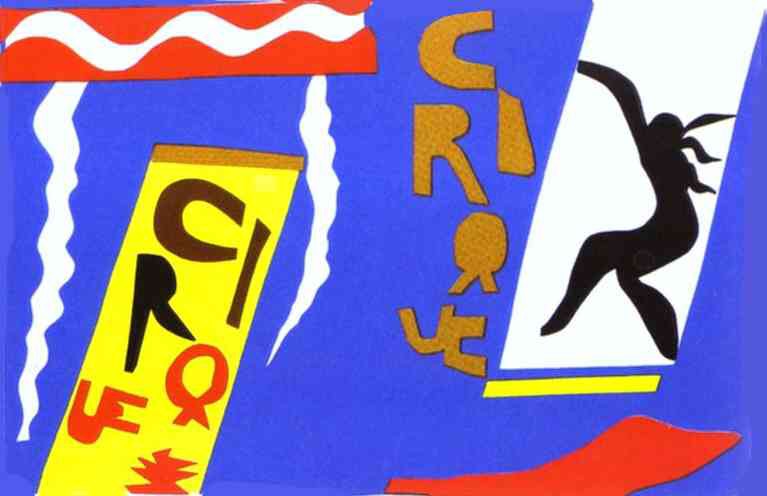
The Circus, 1947. Illustration for the book Jazz.

The Circus, 1947. Illustration for the book Jazz.


The first cut-outs appeared in a limited edition book called Jazz, which, in addition to the 20 screen printed cutouts, featured Matisse’s handwritten notes about the images, painted in black.The contrast between his beautiful monochromatic handwriting against the white paper and the fierce colors of the screen printed cut-outs creates a striking effect. In this book, a copy of which is kept at the Victoria and Albert Museum in London, the cut-cuts are mainly representations of circus performers, such as high wire walkers, trapeze artists, acrobats, clowns, knife-throwers and magicians.

Despite its vibrant colors, some identify a darker side to this book, though. Produced at the end of the Second World War, it’s not difficult to read metaphors of these violent and disruptive times into it. Take the iconic Icarus below, for example. You might see it as a representation of the mythological figure of the son of Daedalus plunging across the sky to his death, having flown too close to the sun, which caused his wax wings to melt down. Or you can see a corpse in the middle of exploding shells with a bloody spot right over his heart, as a clear reference to the war.

Icarus. 1947. Illustration for the book Jazz.

Icarus. 1947. Illustration for the book Jazz.


Matisse did not stop painting altogether as he started creating the cut-outs. Some of his most amazing paintings date from this period as well. However, after 1948, maybe because of his progressive frailty and growing infirmity, he practically gave up on painting. His creative force, therefore, was channeled to the cut-outs, which began growing in size, becoming murals, and totally capturing the artist’s imagination, becoming almost an obsession.

At first sight, some people may be taken aback by the simplicity of this art form, and some even dare to say this is something even a kid could do. Well, we defy them to try it. Only an artist of the scope of Matisse would be able to combine those kinds of colors and variety of shapes to produce such an impactful and pleasurable effect on the viewer. Besides, the best ideas, as we know, are usually the simplest ones: only nobody thought about them before. Copy cats abound afterwards in all areas of life.


The Snail. 1952/53.

The Snail. 1952/53.


No discussion about Matisse’s cut-outs would be complete without mentioning his final masterpiece: the design of the Chapel of the Rosary in Vence, built just down the road from the bucolic house – Villa Le Rêve – where Matisse lived in the last years of his life. It took Matisse four years to complete the project, which included stained-glass windows, three ceramic murals, the interior decorations and even the priest’s robes.

The chapel is famous for the atmosphere of serenity it infuses in its visitors. His maquettes for the stained-glass windows were assemblages of cut-outs, in soothing hues of green, blue and yellow. As the sunlight filters through them, reflecting on the marble floor, one notices the three ceramic murals opposite them, bearing monochromatic drawings representing in utter simplicity and some audacity (such as emphasizing the breasts of the Virgin Mary), the Virgin Mary with Baby Jesus, the Stations of the Cross, and the founder of the order of the Dominicans, Saint Dominic.

Matisse was known for his atheism, which makes many wonder what prompted him to design this chapel and to consider it himself his greatest achievement as an artist. One reason might be he did it after becoming close friends with a Dominican nun, Sister Jacques-Marie, who nursed him during his period of convalescence after the surgery. Her convent did not have a chapel at the time, forcing the nuns to use an old garage for their rituals. Matisse used to say that he felt God only when he was working. Therefore, the chapel is more likely to be an expression of his devotion to the God of Art, using motifs of the Christian religion only as metaphors.

Interior of the Chapel of the Rosary in Vince. 1950.

Interior of the Chapel of the Rosary in Vince. 1950.


NOTE: You might want to check out our series of eBooks available  from AMAZON.COM TEACHING ENGLISH WITH ART. Please click here:  http://wp.me/p4gEKJ-1lS

Teaching English with Art

Teaching English with Art


Au revoir

Jorge Sette.
How to improve language learning materials


Having just watched the wonderful documentary Africa on Netflix, I realized it’s both worrying and marvelous to find out how little I know about my own planet. The advantage is this means I will be learning until I die. No chance of running out of subjects. Besides, I don’t even need to be concerned about getting to quantum physics or the theory of relativity, which I’m sure would exert a brutal amount of effort on my limited brain: there’s much more basic stuff for me to absorb and immerse myself into before crossing the great divide.

How wonderful learning is. Especially with the tools we have today: millions of video clips on YouTube, Khan Academy lessons , all the info available on Google, MOOCs, all the ebooks you can instantly download from the Internet for next to nothing, blogs on all kinds of topics, apps, podcasts, to say nothing of the huge amounts of info shared by your friends on social media sites (including the cute cat videos!).

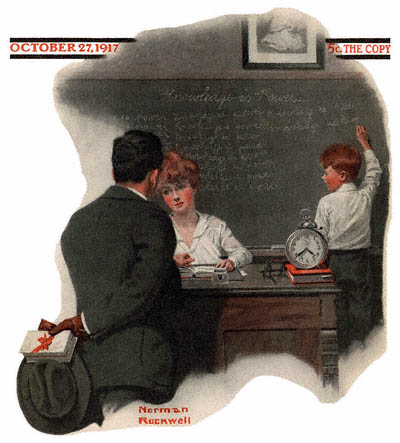
Knowledge Is Power by Rockwell, Norman

Knowledge Is Power by Rockwell, Norman

It saddens me that today’s kids will take all this wealth of knowledge and its tools for granted, and many times will prefer to settle for the silliest and most irrelevant games on the Internet. I consider myself lucky to live in this exciting era where we have all this info at our fingertips. All this change has been happening in the last 25 years and it’s hard to believe how different life was in the 1980s. It’s a blessing that those who want to self-educate and choose their own paths through the intricate jungle of information are able to do so. Of course, guides (teachers, tutors, mentors, collaborators) will always be helpful, but it’s liberating to know you can discard them and plan your own journey of discovery if you wish to.

Considering all these tools available, I started thinking what it is that language learning materials are lacking and how these new tools could help us, publishers and teachers, improve them. I have been in this field for more than 20 years now and it’s undeniable that books and other didactic materials evolved a lot throughout these years. However, they are progressively going in the same direction, looking more and more like one another, to the extent of becoming almost a commodity. You can’t tell significant differences between them on the shelves of a bookstore.

One of the main things that print course books cannot do is personalize the lesson to the extent it should be done to meet the different students’ needs, forms of intelligence, learning styles, and paces of language learning. A simple example is a student should be given the right to pick the genre of text he wants to read for the contextualization of the language point he’s been studying. A course book cannot do that. It would make it clunky and extremely expensive to offer in print alternative choices for all the texts they should comprise. An ebook, on the other hand, could offer this variety of choices in a much simpler and affordable way.

A student, now and then, should also be able to choose how to practice the language of the lesson: does he want to follow up doing a writing exercise, a listening comprehension or a reading activity? Does he want to translate a piece of work? Is he allowed to speak to someone from another country through Skype to practice? We can’t offer that range of choices yet in a coordinated and organized way.

Therefore personalization – or lack thereof – is the main problem of print course books or other more traditional materials for language learning. Some digital platforms are already dealing with this. A lot of personalization can be done as homework and be monitored by the teacher through a number of LMSs (learning managing systems) already available. But a lot more is needed. It would be necessary, for instance, to flip the classroom in a radical way, using the time in class for more relevant and interpersonal activities that would be done better involving a real teacher and a group of learners, while the students would deal with the information acquisition on their own time online, outside the classroom.

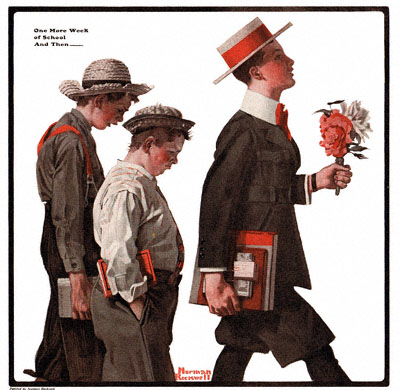
One More Week Of School And Then by Rockwell, Norma

One More Week Of School And Then by Rockwell, Norma

Moreover, despite the fact that we all agree that language is more effectively learned embedded in content (CLIL – content and language integrated learning), books for children and teenagers do not normally cover the important areas of personal finance, politics, or economy – a growing need in the diverse and complex society they’re entering. I haven’t seen any language books focusing on Emotional Intelligence as part of the curriculum either. If we all agree that teaching through content is the best way for the students to internalize a language, why not offer them this kind of very useful training: recognition of feelings, how to deal with anger, how to negotiate conflict with their classmates, strategies for incorporating diversity, how to delay or postpone gratification? We already teach social values, which is a great step forward, but we don’t focus on interpersonal relationships as content, an area that could be beautifully and effectively covered through language teaching materials.

Cousin Reginald Spells Peloponesus by Rockwell, Norman

Dealing with conflict. (Cousin Reginald Spells Peloponesus by Rockwell, Norman)

Another ideal way of adapting course books would be to cater more intensely for the students’ different learning styles: visual, auditory, kinesthetic. It would be amazing if the presentation of a language point and the activities following it could be personalized according to the strongest style of each student: do they wish to see a video explaining the point, do they want to read about it, would they rather engage in a hands-on discovery activity and find out the solution for themselves? The new tools of technology all make these options possible. All they need is to be presented in a more coordinated way by teachers and publishers so the students are guided through their personal journey towards learning. In summary, language learning materials need to provide a much more flexible structure and remain the backbone of a process that requires individualization.

You are more than welcome to share your ideas on how to improve language learning materials in the comments section of this blog.

NOTE: You might want to check out our eBooks available  from AMAZON.COM . Click here to know more about our series TEACHING ENGLISH WITH ART: http://wp.me/p4gEKJ-1lS


Teaching English with Art

Teaching English with Art

Au revoir

Jorge Sette.
 

Which novels do you wish you had written yourself?


When you are at the stage of brainstorming for a nonfiction blog post or a piece of creative writing, it’s inevitable to remember a couple of articles, books and novels related to the topic you read at some point and enjoyed. They will be a source of inspiration and influence in your writing, making you somehow even slightly jealous, wishing you had thought of that first. But, of course, you would also have needed the right language to encapsulate it. After all, more important than the plot itself is how you say things.

Take the book Life of Pi by Yann Martel, for example, whose original idea some people claim was stolen from our Brazilian writer Moacyr Scliar. Well, plagiarism is hard to establish, there are a lot of gray areas, but one thing I’m sure of: Martel did not write the same story nor, most definitely, used the same language as Scliar. Jorge Luis Borges, in his marvelous piece Pierre Menard, Autor del Quixote, from the book Ficciones takes this idea even further, asserting that a book written with the exact same words by a different author at a different time would be read in a new way, due to the dissimilar historic contexts, and therefore would not be the same book at all. I agree.

After reading a comment on Facebook by a friend saying that she is full of ideas for blog posts but do not find the time to write them (yes, we all know how teachers are busy!), I made a joke saying that all my good ideas had already been stolen by the likes of Shakespeare, Tolstoy or Philip Roth.

Then I though for a moment, and decided to give serious consideration as to which novels I really wished I had written and why. This is my humble list:

Books I wish I had written

Books I wish I had written

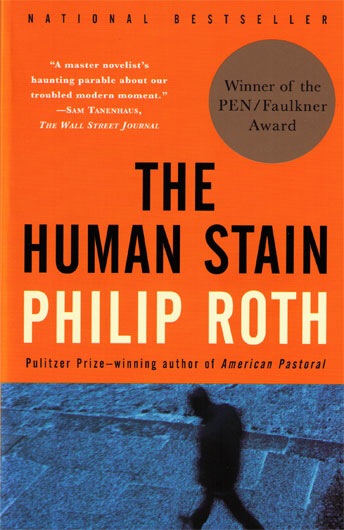
1.The Human Stain, by Philp Roth: it’s hard to discuss this book without giving a bit too much away, so apologies for the spoilers. The story of a light-skinned black boy who grabs the opportunity to pass for a Jew in 1950’s America and later becomes a Classics Professor at a small college is a complex account of the choices you make in life and the responsibilities and consequences that come with them. The need to make concessions and compromise basic values to achieve a bigger goal is the central theme of the book. The deep moral dilemma you face when you take such a radical decision, including the necessity to abandon and cut relations with your family and community to start a new life somewhere else as a completely different person, is evaluated by the author from unusual and unexpected angles in this impressive book. As irony is the hallmark of Roth, the book starts with the most paradoxal of incidents: the professor, noticing that two of the students enlisted in his class never seem to be present, asks the class the question which brings about his doom: “do they exist or are they spooks?” The latter being an old loaded word, a racist epithet for blacks. It turns out that the Professor, never having seen those students before, meant spooks in the most common sense of the word, that is, ghosts, and, after all the pressure and hassle he goes through, without support from any of his colleagues and students – for a number of political reasons – he decides to resign and end his career. I would love to have written this story for its universality: any minority can identify with what Coleman, the Jewish/Black professor, goes through, and can easily put themselves in his shoes. Given the opportunity would you do the same? Would you change your race, color, nationality, sexual orientation or gender? Or would you just give up all of your chances of fully growth and spend the rest of your life as a second class citizen in a society that will only offer you the fulfillment of your whole potential if you are the right color?

The Human Stain

The Human Stain

2. Dom Casmurro, by Machado de Assis: this must be the book I reread most often in my entire life. I know it almost by heart. What attracts me is the way the characters are so well-rounded and fully developed, leaping out of the page as if you could go for a walk and talk to them. This does not mean, however, that you will know them any better. This is the whole point of the story. The dissimulation, the fact that we never know anyone completely. The impossibility of dealing with only one version of the reality. I can’t get enough of the artistry of the author, who, narrating the story in the first person, never lets the reader be sure about what really happened: was the main character’s wife an adulterer? Is the boy she gives birth to his son or his best friend’s? The doubt will corrupt his marriage and ultimately destroy all the love in his life. He becomes empty and isolated, having chosen the version of reality which will cause him the most pain and damage. Don’t we all choose the latter?

Dom Casmurro

Dom Casmurro

3. We need to talk about Kevin, by Lionel Shriver: a professional woman is in love with her work and her husband. She writes and publishes travel guides, having the chance to go places, tour interesting and remote regions, avoiding getting stuck in a housewife’s rut, being independent most of the time. Yet, she can count on a loving husband to comfort and look after her when she comes back home after a long trip: this is a dream life. She has the best of both worlds. Then, what else is it that society claims will make every woman even happier and more complete: to have a baby. From the birth of Kevin, her firstborn, to the dantesque crime scene at the end of the book, We need to talk about Kevin reads like a nightmare. You can’t put it down. A thriller in every sense of the word. But one that goes way beyond the limitations of the genre. Shriver’s ambitions are a lot more encompassing. She discusses the nature of evil. Is it caused by nurture or nature? How is it created? Has Kevin always been the monster she feared he was or was his low self-esteem caused by his mother’s lack of love and care that turned him into a criminal? Was the mother’s resentment for having to give up all the pleasure and independence of her former life, her pre-baby life, toxic enough to corrupt and undo the little creature? The sense of guilt of a mother for not conforming to the patterns of a society that takes motherly love for granted only contributes to the character’s anguish and mental confusion. Of course, the book will show different perspectives of the scenarios we painted, but the conclusion will be up to the reader.

We need to talk about Kevin

We need to talk about Kevin

These are all great themes and I don’t need to tell you how masterfully these concepts and ideas are exploited by those wonderful writers. The angles they illuminate, the perspectives they reveal would hardly have occurred to the average reader. That’s why they are geniuses and we are blog writers. But we can always try to get closer to their art in our writing. According to Malcolm Gladwell, another writer whose books I wish I could have written (although they are nonfictional), all it takes is a dedication of 10,000 hours of work to become a world class master at your craft.

Which books would you like to have written yourself? Let us know.

Au revoir

Jorge Sette.

Five Most Common Misconceptions About Writing


Writing is today more fashionable than it has been in a long time. Perhaps it’s at the peak of its importance ever, with all the blogs, messages, emails and tweets swamping our computer, tablet and smart phone screens every second of the day. Of course, most of the time it’s bad or unclear writing. But everyone is doing it one way or another, and job opportunities are opening up for those who do it well.

Content is the key word in the workplace today. Especially if you are in sales & marketing. The buyer has all the power today and they control when, how and where they will make their next purchase. In this context, writing can be a great asset in educating and persuading prospects, making them see you as the expert, or thought leader in your field. Writing great content and making it available will help you develop a relationship with your potential customers, who will definitely lean towards your offer when the time is right.

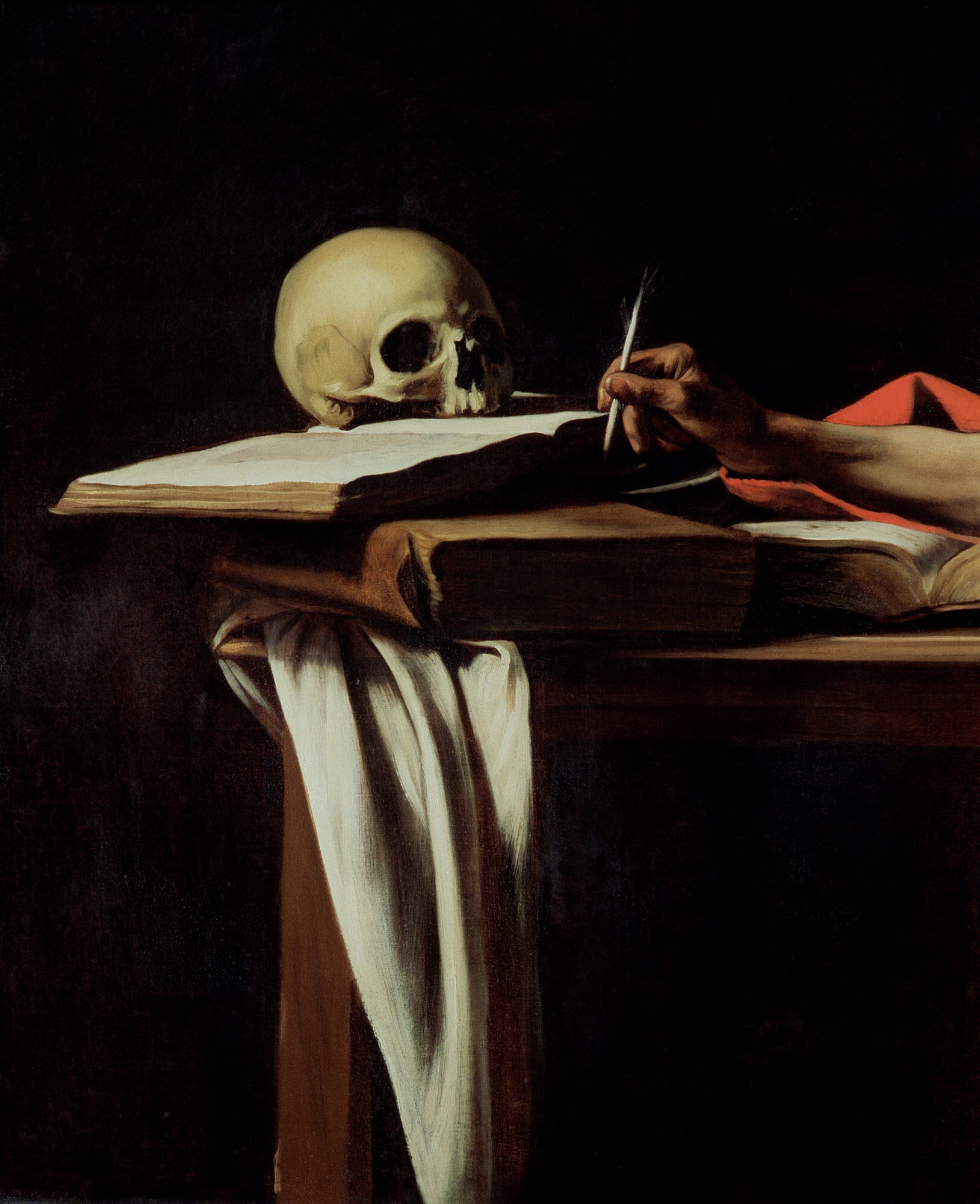
Saint Jerome Writing (detail) by Caravaggio

Saint Jerome Writing (detail) by Caravaggio

As a consequence of its importance, the Internet is full of advice about effective writing, how to put blogs together, the dos and don’ts and best practices of publishing anything. By all means, read all you can, as there is a lot of useful information online. Beware, however, of some of the most common misconceptions about writing: in general most of them were acquired or developed at school and academic settings rather than on the Internet. Here are five of the most common:

1. Writing is about inspiration and waiting for the muse to come down and sit on your keyboard. Well, I’m afraid there’s not enough room for the muse to relax and spread out on such a small space. Also, deadlines have a weird way of not accommodating the muse’s busy schedule, so do not wait to get started. Writing is not necessarily what Hemingway warned us against in his famous quote: “There is nothing to writing. All you do is sit down at a typewriter and bleed.” Make it more active: brainstorm ideas, do some research, check out what is trending online, use automatic topic generators on the Internet, and do not delay. Start the process as soon as you can,

 2. Writing comes out as the masterpiece you usually read in the printed copy of good magazines, newspapers and books. Well, the final draft is not easy to get to. That’s what you see published. But anyone can get the process started and refine it until you achieve a satisfactory result. The saying writing is rewriting, or writing is more about transpiration than inspiration are indeed true. Once you spill out your first ideas and get them more or less outlined on the page, you will start the process of polishing them. And that is the hard part. This will take time, effort and immense patience.

3You cannot self-edit. If we are not talking about your PhD thesis or your fiction masterpiece, do not believe you need a team of copyeditors, researchers and proofreaders ready to work for you. They are expensive and hardly available in enough numbers even for big publishing companies nowadays. So, unless you can count on close friends to help you out with it (remember you can always return the favor), you must learn tactics for self-editing. Do not hesitate to count on every piece of technology available to help you with the task: spell checkers, grammar checkers, dropdown thesaurus, online dictionaries, you name it. There are a lot of very useful tools out there. Read your drafts as many times as you can and carry on refining them. There will be a moment when you’ll get so fed up with reading your piece you will want to throw up. That’s when you take a serious break. I’m not talking about the proverbial coffee time (you have probably been drinking coffee nonstop throughout the whole process anyway). Just abandon your text for a couple of days (I hope you can afford to do that. Factor in those necessary breaks when you plan your timetable to meet the deadline). Next time you get back to the text, you will see it with fresh eyes, and give it the final touches as a Steven Pinker would.

4. Sophisticated writing is good writing. Write as you speak. Content that will help you sell is content that’s simple enough for the majority of readers to understand. So drop the long words and complex sentences. The golden rule of elegance is less is more. Apply this to your writing: precision and simplicity of vocabulary, clarity of ideas, avoidance of overuse of the passive voice, and keeping to what is essential are the tactics that will make you win the reader over. As you read and reread your text, try to leave out everything that is superfluous or redundant. Cut, cut, cut.

5. Not everyone can write. You are write (sorry: right) to think so, if you are using Oscar Wilde or Hemingway as your standard. Artistic and creative writing are not for everyone. It does not need to be for you. But most people can learn to develop and communicate clear, authoritative and persuasive ideas in writing. It takes practice, though. All the content marketing gurus agree on this single point: you need to write everyday if you are in the business. The blog post you will write as soon as you finish reading this text will sound a hundred times better than the one you wrote around the same time last year. They will be both there on the Internet: just read and compare them. You will have improved. So keep working at it and surprise yourself month after month at how much better you are becoming. Good luck!

Would you like to share with us any advice on writing? Please do not hesitate to do so on the comments section of this blog. You might as well rate us so we can improve.

Au revoir

Jorge Sette

Why is TV becoming better than the movies?


It all started when a mob family guy began to have panic attacks after a flock of ducks flew away from his backyard  leaving him with an irreparable sense of loss and despair. He started seeing a psychiatrist. We also noticed an uncanny resemblance between the way he conducted his mob activities and the way big companies operate in the real world.  Was this possibly a metaphor of corporate America? Then there was the focus on his family – unusual in mafia movies (except for The Godfather). We had hardly ever seen a mob wife on the small screen before, with all the details of her lifestyle, including a sense of how her ambition blinds her to the criminal work of her husband. As long as she is able to afford the nice house in the suburbs of Newark and the espresso machine, she is not complaining. If you add to these ingredients the fact the the husband is played by the ultra charismatic late actor James Gandolfini and the wife by the remarkable Edie Falco, you begin to understand why TV is changing into a medium of great content and art work. Of course I’m talking about The Sopranos in this case, the show that basically changed the way cable TV producers, liberated from the pressure of sponsors, started to want to experiment with new formats. The revolution is continuing in streaming video now.

The new TV

The new TV

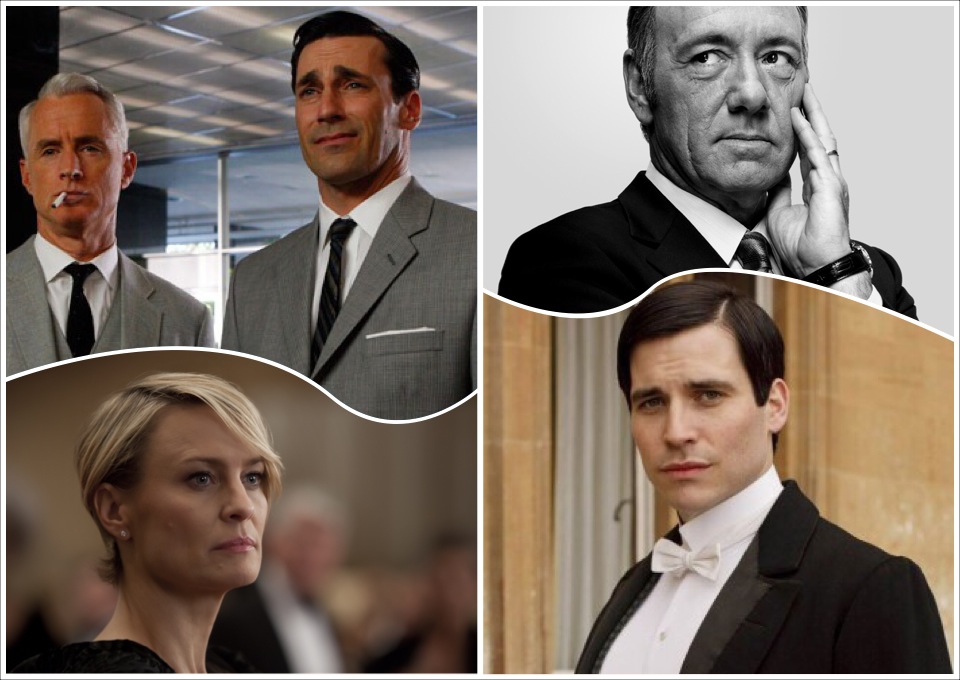
Almost ten years after the end of that seminal show, we have now an offer of excellent series and made-for-tv movies all over the place, competing in quality of content and presence of great actors in the cast. The bar is being raised continuously.  Movie stars don’t think twice before crossing the bridge to the former lower land of television, when the invitation is tempting enough. Some of them, such as academy-award winner Kevin Spacey even bring their own projects to new media channels (which is the case of the successful House of Cards on Netflix.)

I’ve always been a lover of the movies, but I must confess these days I’d much rather watch an episode of Downton Abbey or Mad Men from the comfort of my couch than struggle to park at the nearest mall to watch a superhero blockbuster or a silly Brazilian comedy on the big screen. Besides, there is the new pleasure of binge watching on weekends, that is, covering sometimes a whole season or two in less than 48 hours. I’m aware of the perils of addiction, don’t worry. Look at the tragic end that befell most of the Candy Crush Saga players…

I forced myself to think why it is that TV is so much better now. Could I pinpoint some of the main differences between Charlie’s Angels in the seventies and The Shield? They are both cop shows. Therefore, they’re basically about catching the bad guys, right? So what’s new? Well, for starters, the protagonists in the new shows are not saints, but multifaceted human beings. They all have a dark side and are badly flawed somehow, like the heroes of Greek tragedies. Vic Mackey (Michael Chiklis), one of the main characters in The Shield, for example, doesn’t think twice before partaking in the spoils of war the drug dealers he chases accumulate. Don Draper (Jon Hamm) of Mad Men has  a compulsive infidelity drive, despite the nice and caring women who love him. He also hides a dark secret from his past. Walter White (Bryan Cranston) from Breaking Bad or Dexter (Michael C. Hall) from the show of the same name are both hardcore criminals! Walter runs a meth lab and is the kingpin of an international drug operation. His family knows nothing about it at first, but then his wife gets coopted and starts working for her husband. Dexter carves his victims with sadistic pleasure: OK, they only get submitted to the horrific ritual if they’ve committed crimes themselves but then again… Nurse Jackie, also played beautifully by Edie Falco in the show of the same name, is a committed nurse, who loves and cares for her patients, always going the extra mile to help them. Only she has sex with a coworker, jeopardizing the stability of her nice family structure, to have access to the painkillers she is addicted to.

 The new TV

The new TV

In addition to the flawed heroes, you will notice that most of these shows are about ensembles. There’s of course the main hero and his journey, but all the other subplots are as interesting or sometimes even more enticing than the main one. Supporting roles are usually played by very accomplished actors, so even a small scene played by a guest star can be a little gem.

Last but not least, there is the superb writing. If movies are the domain of directors and producers, as they have total control over their work, TV or streaming video is the realm of writers. They run the show there.  And surely this is a very strong reason why plots, structure, dialogues, and subtext have gained a lot more prominence over their big screen counterparts. A lot is not said in these shows’s plots. The subtlety of the dialogues, the importance of silences and the facial expression of great actors add a lot to the the depth of a scene. Also, the fact that sometimes the storyline or specific scenes focus on very small things of everyday life, and yet highlight unusual details and reveal interesting motives of a character make for great entertainment: the theft of a bottle of wine by a gay footman (Downton Abbey) or the puberty troubles of a girl (Mad Men) add a lot to the attraction of a show,  illuminating areas of the human experience that in the past were limited to literature or art movies.

If you have not watched any of the shows we discussed above, I strongly recommend you have a go at them. Let us know what you think by sharing your thoughts in this space.

In the meantime, check out my Pinterest board on BEST TV SHOWS (click on the picture below):

Au revoir

Jorge Sette.

What’s so enchanting about THE CATCHER IN THE RYE?


“What really knocks me out is a book that, when you’re all done reading it, you wish the author that wrote it was a terrific friend of yours and you could call him up on the phone whenever you felt like it. That doesn’t happen much, though.” ― J.D. Salinger, The Catcher in the Rye. I beg to disagree with you, Holden. I don’t think writers will make the best friends. My advice is stick to their books and don’t try to get any closer. Writers in general are not the nicest people in the world, or the most social for that matter. There are exceptions, of course, but I believe most of them are quite happy writing in the isolation of their offices or country cabins, when they don’t decide to live romantically in Paris and write at a café. Many of them are also boozers and rude, and would most probably hate to have someone intrude upon their privacy.

Holden Caulfield is the main character of the ultra famous novel The Catcher in the Rye written by J.D. Salinger – a recluse himself –  in 1951. It’s a book hard not to identify with, especially if you are male and is or has been, at some point, 17 years old.

The Catcher In the Rye - Holden Caulfield by MelissaHatford

The Catcher In the Rye – Holden Caulfield by Melissa Hatford

I’ve read this novel three times so far, and the last time, a couple of weeks ago, already as a mature man, I found it even more meaningful and relevant than the first time I laid eyes on its pages a long time ago. Most people know the story. Deceptively simple and direct, it tells of a couple of days in the life of a teenager who gets kicked out of a fancy boarding school for having flunked all the subjects but English, and is sent home for the Christmas holidays. He leaves the school on a Saturday evening – he can’t wait to get out of the place –  although he is only expected at home in Manhattan on the following Wednesday, by which time his parents will have received the formal letter from the dean explaining his situation. Therefore, the reader is taken on a journey following the adventures and ramblings of this charismatic youth around the streets of 1950s’ New York for three whole days.

Despite the simplicity of the plot, written from the perspective and in the language of a typical teenager of the time (see the table at the bottom for some of the slang used in the book and its meaning), the story gets a fascinating and strong  grip on the reader. Holden comes across as a very sensitive, intelligent and generous kid – constantly wearing a stupid hunting hat – who is just going through a rough patch in his life, after the death of a younger brother. He is completely lost, lonely and depressed. Poignant and melancholic at times, the book is never sentimental, and, despite the subject matter, a lot of irony and humor underpins most of the character’s commentary and the events narrated during the time we are allowed to spend with him.

Holden is as a very cool youngster. Funny and sophisticated. A rich New Yorker, chain smoker and heavy drinker. Strangely, still a virgin. One of the funniest passages of the book depicts a meeting between the boy and a prostitute, set up by her pimp, the elevator guy in the hotel he is staying at. The act is not consummated, though.

He is undeniably weird – who isn’t at 17? –  spending, for example, a lot of time worrying about what happens to the ducks in Central Park when the small lake in the south part freezes over during the winter months. Do they remain there like the fish? Where do they go? Are they kept somewhere? He is so obsessed with this that he keeps asking cab drivers, out of nowhere, if they know the answer. These conversations are hilarious, as the drivers couldn’t care less, and don’t understand what this queer boy is hinting at. It occurred to me that there is a clear link between this image and what they used in the plot of the first episode of THE SOPRANOS, the TV show, when Tony’s panic attacks hit right after the ducks which mysteriously landed on his backyard fly away, leaving behind a sense of irreparable loss. I’m sure this was based on the book.

IMG_1811

Holden Caulfield (image created by Chat GPT)

Much of the charisma and warmth Holden exerts on us comes from the fact that he loves his little sister and admires his older brother, who’s a writer, although he thinks that he shouldn’t have gone to Hollywood to prostitute his talent writing for the movies. Holden hates the movies, another thing that makes him peculiar and interesting for a boy his age. The love and care for his sister are shown at different points in the book, and reaches its peak in a wonderful and metaphorical carrousel scene at the end – which I won’t talk about in detail to avoid spoiling it for you, prospective reader.

I enjoyed every page of the book, especially the nuanced way in which the character describes his relationships with dorm mates, colleagues, teachers and girlfriends. He is always either planning or actually calling people in the middle of the night, and these pained passages, emblematic of his loneliness and need for human contact, are paradoxically very funny, which only shows the talent and skill of the writer.

Unlike Holden, when I finished the book, I didn’t feel like calling and befriending Salinger, for the reasons I pointed out in the first paragraph of this text. But if I were still a teenager,  I would surely have loved to have Caulfield as one of my best friends. I would have to ask Tom Swayer and Huck Finn if he could hang out with us, though.

Au revoir

Jorge Sette

Glossary : THE CATCHER IN THE RYE (Wikipedia): “Critical reviews agree that the novel accurately reflected the teenage colloquial speech of the time. Words and phrases that appear frequently include:

  • “Phony” – superficial, hypocritical, and pretentious
  • “That killed me” – I found that hilarious or astonishing
  • “Flit” – homosexual
  • “Crumby” – inadequate, insufficient, and/or disappointing
  • “Snowing” – sweet-talking
  • “I got a bang out of that” – I found it hilarious or exciting
  • “Shoot the bull” – have a conversation containing false elements
  • “Give her the time” – sexual intercourse
  • “Chew the fat” – small-tal

Mick Jagger is Dorian Gray


Today I read in the paper that the killer of John Lennon, Mark David Chapman, appealed to be released from prison for the third time now. It has been denied. Now he can try again in two years’ time. I don’t think he will be able to lead a normal like outside of prison. There is always the danger of his being lynched. Besides, it looks like Yoko Ono is against the measure too. She must be really afraid he will be coming after her. It makes sense. I can only imagine the amount of publicity he is going to get the minute the steps out of jail: book deals, reality shows, record contracts (Chapman sings Lennon) and what not.

Although I started off as a fierce Beatles fan in my childhood and early adolescence, things changed as I came in contact with the Stones’ music through a close friend while we lived in England in the late eighties. We were language students in Bournemouth and borders in the same house. He introduced me to the Stones and I’m very grateful to this day. The roughness and wildness of the Stones’ music were a lot more reflective of my personality in those days. They are still my favorite rock band.

It’s not only the music that fascinates me, but the whole persona of their lead singer, Mick Jagger. I may have read three or four biographies about him (the one I would recommend is Philip Norman’s) and I can’t get enough of his personal and public story. Mick reversed many assumptions that most people have. He turns ugly into sexy and even cute at times. He makes looking old cool. He makes rock and roll professional and businesslike. He will not have his disturbingly wrinkled face and drooping oversized lips be touched by plastic surgery in an age when even 30-year-olds are having their features altered to look like weird Kens and Barbies.

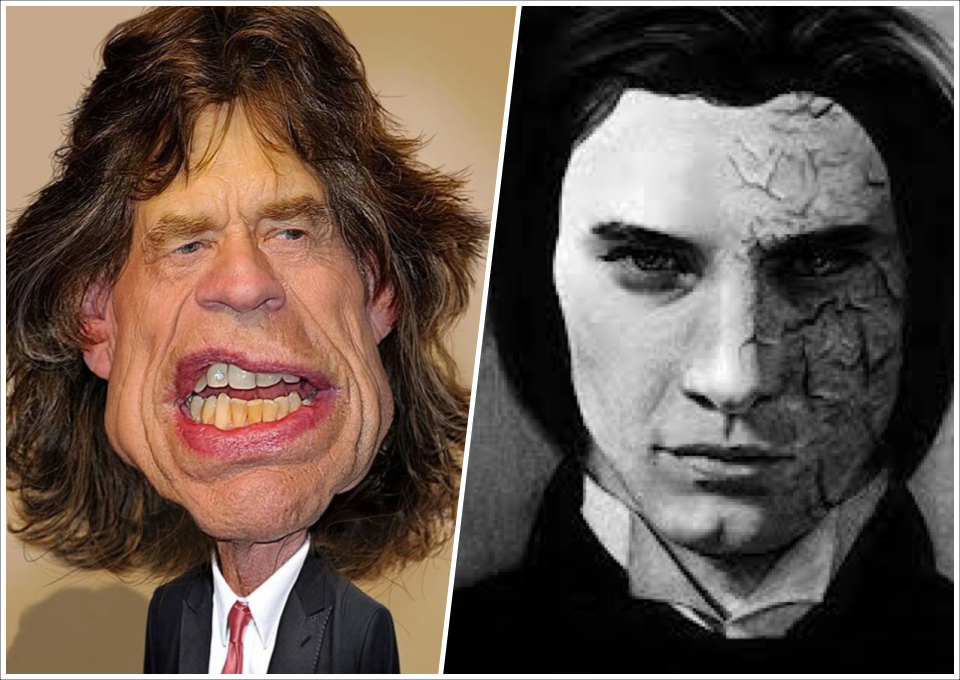
Mick Jagger is Dorian Gray

Mick Jagger is Dorian Gray

Mick Jagger did not share the most common prejudices of his era. Legend says all he wished to be, back when he started, was Tina Turner. She opened for his shows a number to times in the sixties. Rumor has it he would imitate Tina’s moves for hours in front of a mirror. She was the coolest person in the world for him.  This is one of the funniest things I heard about Mick. There is also gossip that he’s bisexual, but whatever his sexual preferences may be, the fact is he has always treated gays and blacks friendly.

However, it’s undeniable that Mick Jagger has a very dark side to his personality. His whole attitude towards life reminds us a little bit of Oscar Wilde: especially on the occasion when he was put in jail in the sixties for drug consumption at what looked more like an orgy than a party. It’s said prison really broke him for a while, just like it damaged Mr Wilde badly at the end of the XIX century. Even more precisely, he seems to bear an uncanny similarity to one of Oscar Wilde’s most famous characters,  Dorian Gray.

Unlike Gray, however, whose aging process and corrupt and criminal lifestyle were all reflected on a portrait of himself he kept hidden in an attic, while he himself remained young with features as angelical and fresh as when he was a teenager,  Mick Jagger’s  parched and wrinkled canvas of a face certainly bears all the marks of sins and experience of someone who’s been sailing against rough winds for the most part of his life. His 70-year-old body, however, just like Dorian Gray’s tight, flexible and muscular structure, does not seem do be different than a 25-year-old man’s, when you see him on stage. The Stones’ song Time is on My Side seems to say it all about the mythological figure.

Besides, very much in Dorian Gray’s fashion, he is famous for having destroyed and corrupted many lives who dared to get too close to the light and got burned by its brightness. Marianne Faithfull, for example, the troubled young singer of the 60s who dated Jagger, especially reminds me of a modern Sybil Vane, the first woman Dorian Gray destroyed on his path to utter corruption and crime. Some will say that Jagger sold his soul to the Devil in exchange for the success of his career and eternal youth of his body. No wonder he continuously thanks the dark forces through the ultra popular ode Sympathy for the Devil.

Not only until the mid-nineties did I have a chance to actually attend a Stones concert. An unforgettable experience at the Pacaembu Stadium in Sao Paulo, under heavy rain, with some of my closest friends.  Also, in the summer of 2012, I visited a great exhibition in London at Somerset House, where they showed rare pictures of the Stones in poster-like sizes.  This was part of a celebration of the 50-year anniversary of the band. I had a great time attending the exhibition, being in the heart of London, and looking at this rare collection of Stones pictures. The gift store was a rip-off, however, and the same T-shirt you could buy for 10 pounds in Camden Town would cost close to 50 at the museum. I was rational enough not to give in to the temptation.

Unlike Lennon, we are fortunate Mick Jagger is still among us. I know we will always have his music and his taped shows, but it’s good to know that this force of nature is very much alive and kicking. In the movie SHINE A LIGHT, Martin Scorsese manages to capture much of his energy and charisma. You feel like Mick is not performing for the camera at any moment, he is just doing his thing, being his difficult-self, while Scorsese and his crew are running around trying to capture his best on camera. Good thing the director managed to do so. Now we have this wonderful performance frozen in time on our bookshelf and can watch it whenever we need to infuse more energy and inspiration into our dull and unglamorous lives.

What do you think of Mick Jagger and the Stones? Share your opinion with us as you rate this post.

Au revoir

Jorge Sette.

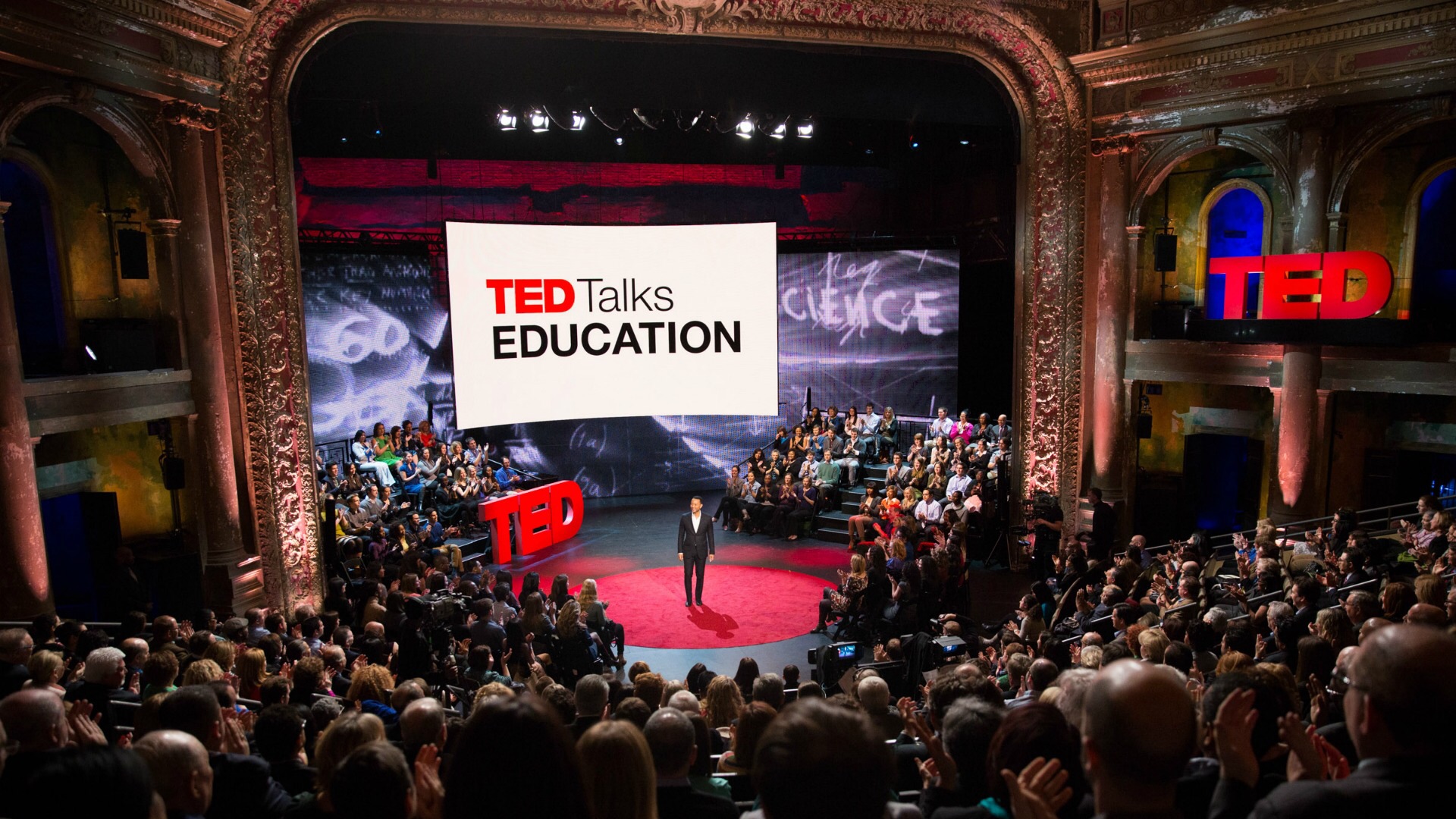
Four Amazing Ideas from TED talks on Education.


If you are a regular reader of this blog you probably love the TED talks as much as I do. I make a point of watching at least one a day. There is always something to learn from them. Even if you don’t find the content that interesting, you can always profit from the speakers’s way of getting her points across, and copy some of the techniques to hone your own presentation skills.

This weekend I needed a break from binge watching Netflix’s THE KILLING – which I did last weekend – and, as consequence, must have put on a couple of kilos, having raised my consumption level of popcorn and ice-cream considerably, while following detective Linden (Mireille Enos) drive relentlessly in the rain along the streets of Seattle. So I chose, instead, to raise my usual share of TEDs’ intake, which was very sensible of me, since they feed the mind and soul rather than the body: I usually take notes while watching them, which stops me from grabbing the popcorn or digging into the ice-cream.

This is a list of 5 interesting takeaways I collected from some talks I’ve recently watched. They are all on education. The summaries are not quotes but my own interpretation and wording of the ideas. I strongly recommend you watch the clips as a way to contextualize my comments better.

Here is the list:

TED Talks

TED Talks


1. From “A 30-year History of the Future” (by MIT Media Lab founder Nicholas Negromonte).

In 30 year’s time you will be learning English by taking a pill. It will travel though your blood stream and reach you brain, formatting your neural connections accordingly. Well, based on Negromonte’s strong track record of predictions that were eventually realized, I would not discard the possibility.

2. From “Let’s Teach Kids to Code” (by Mitch Resnick, Director of the Lifelong Kindergarten group at MIT Media Lab).

There’s not much difference between the so-called digital natives and the rest of us. They are very fluent in gaming and using apps, but not in creating them. Their attitude to technology is overall very passive. They need to learn how to code to really be able to fully express themselves through technology and make use of all that is available. He compares technology to a natural foreign language: kids at this point are fluent at reading it but not at writing. He proposes we start teaching kids to code immediately to make a difference. Besides, coding will teach them not only this new “language” but a whole lot of content that can be expressed through it: just like the Content and Language Integrate Learning (CLIL) approach some of us use to teach English.

3. From: ‘Want to Innovate? Become a ‘now-ist’ “ (by Joi Ito, Director of the MIT Media Lab)

According to the speaker, learning is not education. The former is discovering things for yourself actively, the latter is about passing on knowledge to someone else who’s passively at the receiving end of the channel. Learning is what really matters today, if you want to become an innovator. To engage in learning you have to be connected, pro-active and very rooted in the moment (a now-ist). You must be alert and strive to be aware of everything that is going on around you. It’s necessary to seek collaboration from peers online, developing skills on how to get useful people together on your network to make your ideas happen as soon as possible. Not much planning is required to put out your innovative ideas. Don’t waste time overthinking what the outcome will be like. Adjust and learn as you move along. “Demo or die” (quote from Nicholas Negroponte he uses in his talk): ship your concept as fast as you can.

4. From “How the worst moments of our lives make us who we are” (by writer Andrew Solomon).

This is about education in its broader sense. The speaker, in a beautiful and moving talk, much in the vein of Oscar Wilde’s De Profundis and Philip Roth’s Nemesis, claims that the key to happiness is to “forge meaning and build an identity” for yoursef out of the worst adversities that may have struck you in life: be it imprisonment and ostracism in the case of Wilde at the end of the 19th century; contamination by polio in the early 1940s for the characters of Nemesis; or, as in Solomon’s personal account, exposure to cruel bullying at school and prejudice at large in today’s American society for being a homosexual. Meaning is not out there to be found, it’s a narrative you have to build from within and then invite others into. Just like Wilde and Roth, Solomon proposes you take full ownership and responsibility for your failures and falls and, maybe through love and art, re-create yourself to grow and be complete. Don’t miss this one!

I guess this is it for now. Enjoy you TED talks and please suggest some as you rate and comment on this post.

NOTE: You might want to check out our my series of eBooks TEACHING ENGLISH WITH ART,  available  from AMAZON.COM 

Click here for more info: http://wp.me/p4gEKJ-1lS

Au revoir

Jorge Sette.

What are your questions about the future of education?


This is going to be an unusual post. We won’t be giving you any solutions, only problems and issues to consider. All of us who work in the field of education, either as teachers, school owners, publishers or booksellers are worried about the future of our business, or should I say, our mission. From the get-go, I would like to state my position regarding education, so it’s clear and can inform the vocabulary I might use throughout this post. I think of education as a business. Not just like any other business, but a very special and interesting one, as it is the source of human development and betterment. However, in a capitalist society, education is regulated by the same principles of supply and demand of all other businesses.

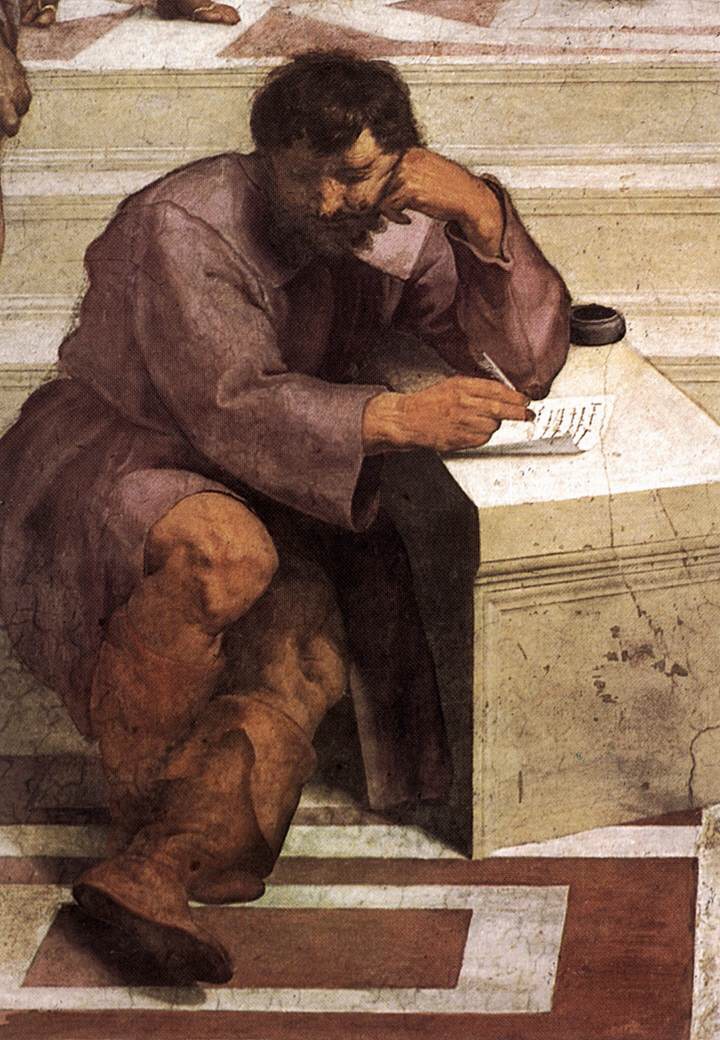
My objective in this post is simply to raise five of the questions I’m sure most of you share with me. I propose we start searching possible answers, reading up on the topics, and begin a debate on each of these issues. You are more than welcome to use this space (my blog LINGUAGEM) to share your views and ideas on the points listed below. My questions concern these following points:

The School of Athens (detail) by Raphael, 1509

The School of Athens (detail) by Raphael, 1509

1. Teachers. My first question is, of course, will we have a job in the future? As teachers, and other professionals of the education business – publishers, school owners and booksellers – I anticipate the answer will be yes (fortunately), but our jobs will change a lot. More and more the ball will be on our clients’ court (students and parents) and, as a consequence, we will have to adapt and try to reach them directly and on their own terms if we want to survive as professionals. They will have a strong say on everything regarding education: the kind of teacher they prefer, the methodology, the learning materials they will use, and how they wish to purchase them.

2. Methodology. What will be the most popular and preferred way of learning? We have always known learners have different leaning styles and are stronger and weaker at different forms of intelligence. One solution fits all will not do. Therefore, I suspect, we will see a lot of blended learning, with great variation on the percentage of online learning versus classroom lessons. Also, how much of this online learning will be self-learning or involve a tutor or teacher helping them out outside the classroom? In what situations will inductive/deductive approaches work best? The importance of learning pace is also another point to be considered: will these students require more individual lessons or profit more from a group learning environment? How much of the class will need to be flipped, when students deal with the theoretical points at home on their own and then come to class to solve practical problems, discuss doubts or simply apply what they learned in a more controlled environment.

 3. Learning Materials. I’m pretty sure print materials are on the way out, as ebooks can offer all the advantages of print ones, and a lot more. If we already prefer to read novels on the Kindle, what to say of the possibilities inbuilt in a multimedia biology or history educational kit, which will allow them to watch a living cell divide itself or a dramatized episode taken place during the Renaissance played out as a video clip at the click of a mouse. Gaming, in addition, will make learning a lot more active and interesting, stimulating parts of the brain a lecture could never achieve to do. However, there is plenty of room for variation within online learning. We need to consider, for example, the best length of video clips to make retention more effective; should each 5-min footage be stopped and followed by a short quiz? What works best: animations or reals actors? Could a simple replication online of an old-fashioned blackboard with a teacher writing on it and explaining the teaching point work? The latter is exactly what Khan Academy does: except that the teacher is exceptionally good and the classes work like magic! Have you ever had trouble with algebra or trig? Try the modules on Khan and you will enjoy the beauty and magic of concepts that seemed arid and boring when you were in high school.

4. Schools/Colleges. What kind of changes will brick-and-mortar schools have to go through to compete with online learning? Blending is the first thing that comes to mind. But if teachers won’t be lecturing and classes are really going to be flipped, what other kinds of special services could schools and colleges provide to attract and retain clients? It’s really exciting to think about this. The moment we understand better how our brains absorb and/or create knowledge, we may need to hire psychologists, speech therapists and neurologists as part of our regular staff to help our learners out and differentiate our schools from the competition.

5. Metrics. Adaptive learning. How are we going to measure and adapt our teaching to the specific needs of students? What international scales, tests and certifications can be created to align consistently the different approaches across different institutions and regions?

These are all very big questions and require a lot of studying and research before we can come up with the right answers. Besides, the process is really dynamic and won’t stop. It will continue evolving and throwing new lights on education and the learning process. These are really exciting times we live in if we are in the field of education.

My recommendation is start reading up and updating yourself as much as you can on what is going on in the field and start experimenting with new forms of teaching, writing, reading, producing and selling learning materials right now. We don’t want you to have to struggle to catch up.The future of education has already started.

I guess this is all for today. Don’t forget to share your views and make your comments about those topics as you leave this page. We’ll be delighted to read them.

Note: you might want to check out our new book TEACHING ENGLISH WITH ART: MATISSE   available  from AMAZON.COM as an ebook.  Click here for more info: 

http://wp.me/p4gEKJ-1kP

Au revoir

Jorge Sette.


The Old Man and the Sea


What’s all the fuss about this little tale of on old Cuban fisherman on the hunt for a huge marlin in the blue seas of the Gulf Stream, and his fight against the sharks that try to steal his spoils of war on the way back home? I needed to find out.

In his deceptively simple writing, Ernest Hemingway expresses all his concepts about life, old age, the meaning of victory, friendship, cooperation and masculinity in the fewer than 130 pages of this unforgettable story.

It’s a book with layers of meanings, and the right one for you will emerge and resonate deeply and fast – depending on your age and the point of life you’re at.

The Old Man and the Sea. Illustration by C.F. Tunnicliffe and Raymond Shepard.

The Old Man and the Sea. Illustration by C.F. Tunnicliffe and Raymond Shepard.


The powerful narrative of Hemingway will make you put yourself in this old man’ shoes (or lack thereof). You will feel the fishing line cutting through your hands and your back while you try to keep the marlin hooked, as the huge fish swims forward fighting for freedom, pulling your skiff along for endless hours out to the deep sea. The old man’s thoughts will be your thoughts – although I suspect his love for baseball will surely be replaced by your passion for soccer if you don’t live in the USA; his endurance and respect for life will sink profoundly into your heart. His recurring dreams of lions walking on a distant African beach will duplicate all your yearning for naturalness, beauty, purity and strength.

The Old Man and the Sea made me realize three great movies I’ve watched recently have strong references to it, without my noticing them at the time: Life of Pi, Captain Phillips and All is Lost, the latter featuring Robert Redford from the height of the dignity of his 77 years of age. The same themes of endurance, self-reliance and the power of dreaming reverberate through all of them, resolved in different and exciting original artistic forms. And, of course, they all go back to Melville’s Moby Dick.

I don’t expect anything else from a work of art: give me something beautiful and simple – throw some ocean into it, if possible – test my hero to the limits of his physical and mental strength, put me in his head as he struggles, and the artist will have managed to take me to places I have never been before, and, as a consequence, made my life richer and a lot more meaningful.

Au revoir

Jorge Sette.