Toxic Relationships Between Parents and Kids in Fiction


Parenting is hard work. This most intimate relationship between human beings is fraught with danger; it can be emotionally draining and has every chance of going wrong. It’s an incredibly difficult juggling act, where the pieces at play are as fragile as glasswork.  The books selected below are all stories about dysfunctional families, whose members are involved in highly toxic relations.

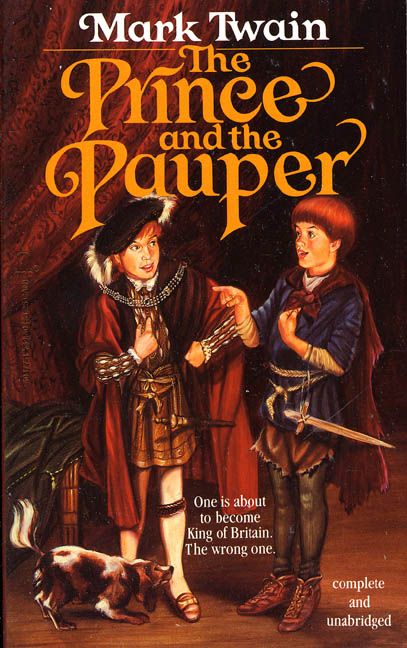
1. The Prince and the Pauper – by Mark Twain
1749b5af55cb2c2efb751e61abce0f1d

In this moving and entertaining classic story – Mark Twain’s first attempt at historical fiction – the young Prince Edward VI, son of Henry VIII, is given the unique opportunity to trade places with the pauper Tom Canty – a boy from Offal Court off Pudding Lane who bears an uncanny physical resemblance to the prince. Edward’s plan is to experience the freedom of a normal life and to get to know firsthand the reality of his future Kingdom. However, as he drifts along the squalid streets of XVI century London, fleeing from the brutal hands of the thieving alcoholic John Canty, Tom’s abusive father, he will have to deal with problems and learn harder lessons than he ever bargained for. Great quote:

“A full belly is little worth where the mind is starved.”

2. American Pastoral – by Philip Roth

71--XcbyBEL

Seymour “Swede”  Levov was the beloved blond-haired, blue-eyed Jewish athlete at Newark’s Weequahic High School. Levov was the object of envy and admiration of every boy in the community, a local hero. He grew up to become a successful businessman and to live the American Dream to the full, with a perfect wife and a loving daughter, owning a bucolic estate in the suburbs. But this is a Philip Roth novel, and reality has its ways of catching up. The times are changing; we are in the turbulent late 1960s now. From a sweet, good-looking little girl, Levov’s daughter Merry has slowly turned into a stammering, overweight teenager: a radicalized leftist terrorist, who detonates a bomb at the local post office to protest the Vietnam War. A bystander gets killed in the process, and Merry goes into hiding, but her father will never give up on her. There signs, however, that maybe Levov is somehow flawed, like a tragic Greek hero, bringing this catastrophe upon himself. What could have happened between Swede Levov and his daughter to change her so profoundly? Let’s look back at a small incident that took place on the beach a long time ago… American Pastoral is considered by many Roth’s masterpiece. The novel was awarded the Pulitzer Prize in 1998. I will leave you with a chilling quote from this stunning book:

“The fact remains that getting people right is not what living is all about anyway. It’s getting them wrong that is living, getting them wrong and wrong and wrong and then, on careful reconsideration, getting them wrong again. That’s how we know we’re alive: we’re wrong.” 

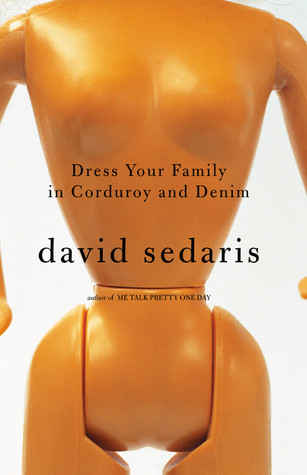
3. Dress Your Family in Corduroy and Denim – by David Sedaris
10176

David Sedaris is one of the funniest contemporary writers in America. Growing up gay in a family of four sisters and a younger brother, under a traditional middle-class father of Greek descent, and a chain-smoking and alcoholic mother, the obsessive-compulsive author focuses, in his stories, on the hilarious experiences of his severely dysfunctional family. His self-deprecating kind of humor and singular perspective on the various facets of family life will make the reader roar with laughter. Among his works, I would especially recommend Dress My Family in Corduroy and Denim, where you will find some of his funniest stories.

“She’s afraid to tell me anything important, knowing I’ll only turn around and write about it. In my mind, I’m like a friendly junkman, building things from the little pieces of scrap I find here and there, but my family’s started to see things differently. Their personal lives are the so-called pieces of scrap I so casually pick up, and they’re sick of it. More and more often their stories begin with the line “You have to swear you’ll never repeat this.” I always promise, but it’s generally understood that my word means nothing.” 

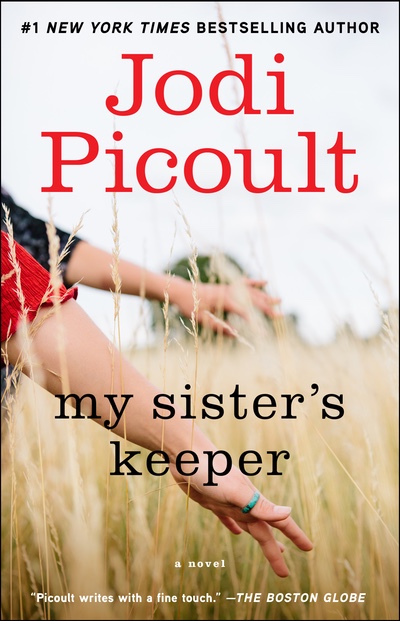
4. My Sister’s Keeper – by Jodi Picoult
400-keeper-9780743454537

This is the unsettling story of Anna Fitzgerald, who, unlike most of us, was deliberately conceived by her parents to fulfill a specific purpose. Anna was born to provide genetically suitable material for her older sister Kate, who has been diagnosed with promyelocytic leukemia. On the various occasions when Kate relapses, she needs to rely on Anna’s donations of leukocytes, stem cells, and bone marrow to survive. We meet Anna when she is already thirteen and beginning to resent and question her role in life. But when her parents expect her to give Kate one of her kidneys, Anna decides she’s had enough and looks for legal help to sue them for rights to her own body. From the book:

“In the English language there are orphans and widows, but there is no word for the parents who lose a child.” 

Have you read any of these books? Share your views with us.

Au revoir

Jorge Sette

10 Cool Questions about Peter Carey’s Oscar and Lucinda – A great love story (for your book club)


Oscar and Lucinda is one of those books that grow in the reader’s mind over time. The unforgettable and powerfully written novel by Peter Carey, winner of the 1988 Man Booker Prize, tells the improbable love story between a religiously obsessed English young man and a compulsive Australian heiress.

c7bfa1c130de93e81d6d2be25a84aeee

Oscar has a gambling problem. He loves horse races. Lucinda, on the other hand, adores glassworks and cannot resist a game of cards.

Lucinda purchases the oldest Glass Factory in Sydney. The story takes place in the 19th century and culminates with the couple’s joining forces on the biggest (and strangest) bet of their lives: gambling on the transportation of a glass church across the Outback from Sydney to the remote Bellingen, 400 km up the coast of New South Wales. This is certainly one of the most outlandish and beautiful literary visions I’ve come across as a reader in a long, long time.

In 1997, the novel was made into an acclaimed movie directed by Gillian Armstrong, starring Cate Blanchett and Ralph Fiennes.


Cate_Blanchett_Cannes_2015-1

Cate Blanchett – who plays Lucinda in the movie version.


The questions below are fairly open-ended. They are intended to be incorporated into the list of others you are possibly already using during your book club’s sessions. It helps to have a mediator to conduct the discussions. There are no absolute right or wrong answers, so I would recommend the members of the group be flexible, welcoming and respectful of other people’s opinions and interpretations. Enjoy:

1. Where did Oscar live as a child (country, region, city)? Where did Lucinda live as a child (country, region, city)?

2. Why did Oscar start moving away from his father’s religion to become an Anglican?

3. What did Oscar do for a living? What about Lucinda?

4. Where/When did Oscar and Lucinda first meet? And what was Oscar’s greatest fear at that point?

5. What feelings developed when they decided to play cards for the first time, and how did the storm change the situation?

6. How did Oscar morally reconcile religion and gambling?

7. How does a Glassworks or glass factory reflect Lucinda’s own personality?

8. Would you consider Lucinda a feminist ahead of her time? Give us three examples of her behavior in the story that would justify this idea.

9. What is the passage (or passages) in the novel that will probably linger in the readers’ minds after they’ve finished it?

10. If you were Peter Carey, the author, list three things you would have changed about the novel before it was published. Your answer can be about the characters, the plot, the location, the times or the ending.

Choose a couple of the questions above and answer them in writing in the comments space below, if you wish.

Au revoir

Jorge Sette.


Velázquez – The Iconic Painter of the Spanish Baroque


Considered the painter’s painter, Diego Rodríguez de Silva y Velázquez was born in Seville in 1599, growing up in the old Jewish quarter of that booming city.

Velázquez was an apprentice to Sevillian artist Francisco Pacheco for 5 years. However, it did not take long for the pupil to surpass the master in technique, which did not bother Pacheco at all. He was very proud of the young artist, who would later become his son-in-law. At the age of 19, Velázquez married Pacheco’s daughter, Juana, and had two daughters by her.

XIR221119

Velázquez

In 1623, he was invited to go to Madrid to paint the portrait of King Philip IV. The king liked the painting so much he commanded Velázquez to became his personal painter. From then on, only Velázquez was allowed to paint the king, and all his other portraits were taken out of circulation. Later on, Velázquez rose in the court to also become the king’s curator (being the person in charge of choosing and purchasing the furniture and paintings that would decorate the king’s palaces). Velázquez served the king for over 40 years, while Philip IV was the most powerful man on Earth.

At the beginning of his career, Velázquez soon distanced himself from the usual religious themes most Spanish painters produced at the time, due to the influence and power of the Catholic Church, and the overwhelming surveillance of the Spanish Inquisition. Instead, he started painting bodegones – kitchen and tavern scenes, involving common people – which, despite being considered a low genre of painting in those days, started to attract the attention of rich purchasers and patrons. Among these paintings, we have, for example, Old Woman Frying Eggs, and the breathtaking Water Seller.

0105vela.big

Old Woman Frying Eggs

His art was clearly influenced by Caravaggio in his use of contemporary, common people as models, and also in the use of the dramatic contrasts of light and shadow (chiaroscuro). Another major influence on Velázquez’s work was the art of Flemish baroque painter Peter Paul Rubens, who spent seven months at the court of King Philip IV on a diplomatic mission. Later, after spending time in Italy on two different occasions, he incorporated elements of both the contemporary local art and features of the Renaissance into his technique.

When he began working for King Philip IV, his main assignments consisted of portraits. He painted the members of the royal family in a great number of portraits, but his most famous ones are his own slave and studio assistant Juan de Pareja’s and the stunning portrait of Pope Innocent X. The realism and strength of these works, in which Velázquez managed to capture not only the physical but also the personality traits of his models, astonished his contemporaries and are a source of awe and inspiration to many artists to this day. Since most of Velázquez’s works were made for the king, they remained unseen for many years, hanging from the private walls of the royal family’s many residences.

Image-1

Pope Innocent X

In addition to the bodegones and portraits, he also produced famous mythological scenes (e.g. The Triumph of Baccus; Vulcan’s Forge; The Spinners; The Rokeby Venus), landscapes (e.g. Philip IV Hunting Wild Boar) and historical scenes (e.g. The Surrender of Breda).

XIR974

Vulcan’s Forge

Velázquez’s technique, draftsmanship and use of color have amazed the general public, critics and other painters for centuries. He’s many people’s candidate for the post of best painter ever. His paintings are included in what is called the Spanish Baroque movement of the XVII century, but they stand out as very personal and unique, the work of a genius.

Velázquez struggled his whole life to become part of the nobility he served so faithfully. His Jewish blood, however, was a constant obstacle for him to achieve such recognition. Only at the very end of his life, in 1658, did he become a knight, receiving the insignia of the Military Order of Santiago, the red cross that features on his chest in his most famous painting Las Meninas.

Velázquez died on August 6th, 1660, at the age of 61.

Au revoir

Jorge Sette


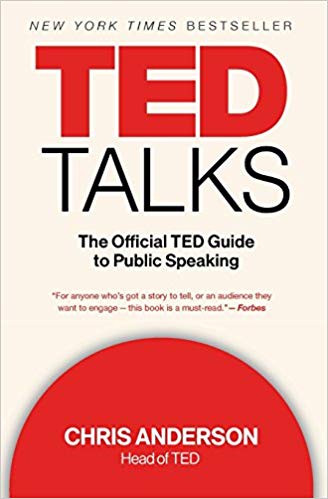
Five Takeaways from the Book TED Talks – The Official TED Guide to Public Speaking


Founded by Richard Saul Wurman and Harry Marks in 1984, the TED conferences originally featured talks focused on Technology, Entertainment, and Design. Under the catchy tagline Ideas Worth Spreading, the range of these talks has since expanded to include academic, scientific and cultural topics.

If you have ever watched any of these talks, you will have noticed that they are not the usual boring PowerPoint-based presentations we get in conferences of all kinds. Storytelling techniques – long a proven method for grasping and keeping listeners’ attention – prevail in most TED talks. Another obvious key to their success in the succinctness; speakers have 18 minutes to tell a compelling narrative.

415cATz+xqL._SX326_BO1,204,203,200_

In his engrossing book, TED Talks – The Official TED Guide to Public Speaking, published last year, Chris Anderson, who took over the conferences in the early 2000s, offers the reader a truckload of useful and practical suggestions on how to put together and deliver a memorable presentation. A must-read for everyone who needs to speak in public these days (and who doesn’t?)

To whet your appetite, we have selected five of the most stimulating presentation tips we found in the book. See below.

1.What is the takeaway?

As you organize your talk, decide on what is the point you are trying to make. There must be an overarching theme connecting all the elements of the story. This is called a throughline in movies, plays, and novels. As a planning exercise, make sure you specify a concrete objective in no more than 15 words. What is your goal? What do you want to accomplish? What do you want the audience to do, how do you want them to feel after you leave the stage?

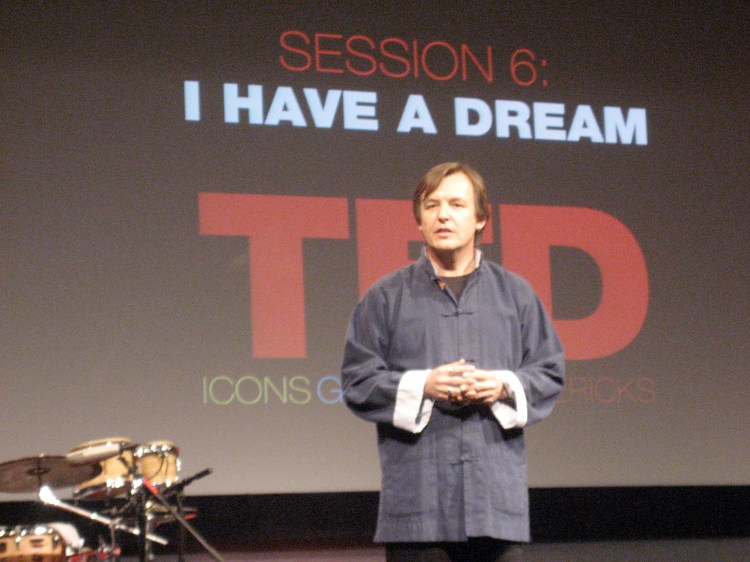
Chris_Anderson_2007-1

2. Get personal

Speakers need to connect to the audience, break the ice and build trust. A talk is much more than mere words. You need to engage the audience on many levels. There are different ways to do that. Making eye contact with the audience, for example, is always effective. Showing some kind of vulnerability, such as admitting that you are nervous, may also work. Using humor at the beginning – through a personal anecdote, presenting funny visuals, or by playing with irony and sarcasm – may do the job. Don’t try to be funny if you are not comfortable with it, though.

3. Visuals

We all know the staggering amount of technology available out there to help public speakers: slides showing graphs, photography, infographics, animations; video, audio, etc. Yet, it may come as a surprise that at least one third of the most viewed TED talks do not make use any of these tools. So maybe you should ask yourself: do I really need to use them? And how much of it is really necessary? Most people are extremely familiar with these so-called innovations by now anyway, so it’s hard to make an impact based only on them. Besides, visuals may distract the audience, taking their attention from you! Then again, great slides may add to the presentation, especially when they do not only repeat and highlight what is being said verbally. Ideally, visuals should reveal (show something that can not be easily described by words); explain (make concepts clearer: a picture is worth a thousand words!); and delight (give the talk aesthetic appeal).

4. To memorize or not to memorize

Although most TED speakers have their presentations scripted out beforehand and memorize them, this approach does not work for everyone. There’s beauty and power in variety. You need to discover your own natural style. Possible options: you can write and memorize your talk; use in-the-moment language to talk about something you are familiar with (it helps to have a mental structure of the points to cover, though); or even read your piece! Whatever makes you more comfortable and confident. However, remember that preparation is essential for any format you choose.

TED_three_letter_logo.svg

5. Traps to avoid

There are some speaking styles TED organizers do not recommend. The sales pitch: trying to sell products or services directly through your talk may damage your reputation as a speaker. The main job of a speaker is to give not to take. So be careful. Find out if this is the kind of talk your audience is expecting. The ramble: to be under-prepared or not to have a set objective is insulting to the audience; the org bore: talks that focus on the greatness of an organization or on how amazing their staff is will probably bore the audience to death – they don’t work there after all. The inspirational performance: despite the fact that great TED talks deeply inspire and move the listeners, this effect cannot be manipulated through tricks and gimmicks. It needs to feel real. So avoid copying the so-called “inspirational” talks, where the speaker is full of self-praise and despicably phony.

For more tips, I strongly recommend you get the book now and make sure your next presentation is a hit.

Au revoir

Jorge Sette

How addicted are you to Internet-based technology?


How often do you look at your cell phone screen? How many times have you checked your email in the last hour? How many hours a day do you spend on computer games? When did you last post a photo on Instagram and how often do you keep counting your LIKES?

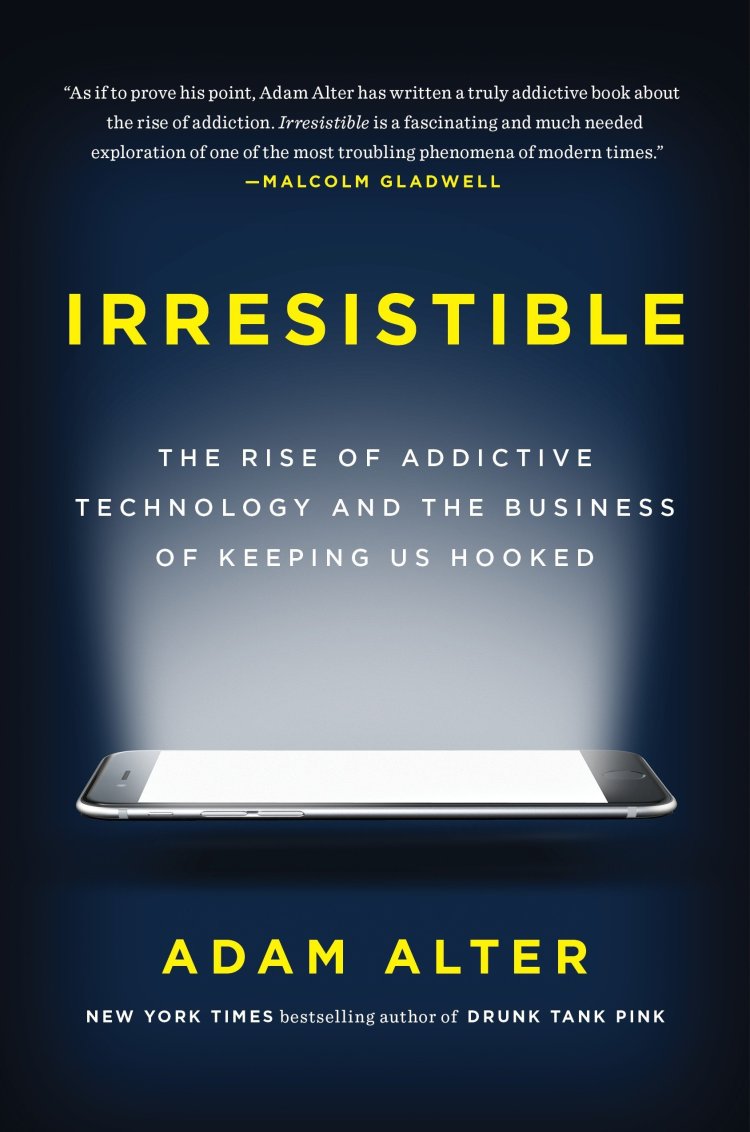
In his sobering book, Irresistible: The Rise of The Addictive Technology and The Business of Keeping Us Hooked, published in 2017,  Associate Professor of Marketing at New York University’s Stern School of Business Adam Alter argues that compulsive behavior involving the use of new Internet-based technologies has become a widespread phenomenon in the contemporary world – and it’s growing. Studies indicate that a whopping 40% of the global population suffer from some kind of tech-stimulated behavioral addiction.

812wo5o2CWL

Using dozens of fascinating stories and case studies to expose the traits and hidden mechanisms applied by social media, exercise apps, video streaming services, gambling and shopping sites, computer games, and all kinds of devices to hook customers, the author carefully examines the sources of addictive behaviors, their designers, and what makes them so alluring. At the same time, he tries to offer possible solutions to the problem, ways of minimizing its dangerous effects and how we can tap into the same compelling ideas and features for more beneficial ends.

Among the most interesting (and the scariest) points made in the book, we would highlight the following.

Behaviors can be as addictive as substance abuse.

The same areas of the brain are triggered by either. These neurons similarly get soaked in dopamine, a chemical that, when attached to receptors, produces intense feelings of pleasure. Perhaps the only difference would be that the intensity of the experience is far stronger when induced by drugs. As tolerance develops eventually, though, the same outcomes are seen; users keep trying to repeat the highs by consuming the substance in larger doses or by indulging in the same kind of behavior more often. They end up losing control of their lives; isolating themselves from family and friends; giving up on the real world; neglecting basic principles of hygiene; underperforming at work; compromising their financial stability; getting depressed. They ruin their lives.

facebook-2387089_960_720

Never get high on your own supply.

Steve Jobs, co-founder of Apple and the creative mind behind highly compelling devices such as the iPhone, would not allow his kids near an iPad. Chris Anderson, former editor of Wired magazine, strictly controlled the use of electronic devices by his family members – never allowing the use of screens in the kids’ bedrooms, for example. Evan Williams, a founder of Blogger, Twitter, and Medium would get books for his sons, but never an iPad. It looks like, having seen the consequences of addiction to technology first hand, they were extra careful about it.

The ingredients of addictive behavior. 

The DNA of behavioral addiction carries one or more of these characteristics: “compelling goals that are just beyond reach; irresistible and unpredictable positive feedback; a sense of incremental progress and improvement; tasks that slowly become more and more difficult over time; unresolved tensions that demand resolution; and strong social connections”.

Declining levels of empathy and attention span.

Significant plunges in levels of empathy and attention span among children and teenagers can be traced to the rise of Internet addiction. Girls can be meaner on social networks and boys won’t stop playing video games, relying on their online cohorts for emotional support. Sleep deprivation also seems to be on the increase, especially in the last decade, due to overuse of electronic devices at night, which tend to emit a bluish light that (as opposed to the reddish-yellow light from candles and wood fires) interferes with the production of melatonin, in turn impairing sleep.

computer-1106899_960_720-2

Dangerous computer games.

Popular games such as World of Warcraft and Flappy Bird are highly addictive and can foster destructive behavior; gamers will spend hours or even days playing compulsively, neglecting social life, work, school and even personal hygiene habits. Some game manufacturers have even decided to pull products from the market, possibly remorseful for the damage they have inflicted.

Obsessive goal-setting.

The metrification of everything we do and the need to constantly overcome obstacles that get progressively more challenging are very much part of the fabric of the internet and its many alluring apps and websites. We constantly crave more followers or friends on Facebook, more likes on Instagram; more calories burnt or more steps taken on our gym app… Even worse: we tend to compete not only with ourselves, but with others. This is an impossible game to win. This insatiable longing for society’s validation is not healthy.

How can we alleviate the problem?

Most readers will come to the conclusion that being aware of the problem is obviously the first step. Books like Irresistible certainly help in that respect. Setting boundaries for the use of Internet-based tech by kids and offering them attractive alternatives in the real world would certainly aid in the prevention of addiction.

woman-1733881_960_720

Innovative support programs and institutions, such as reSTART in Washington State, the first treatment center for game addicts, will need to become more widespread and respected. A strong concern, however, is that, unlike substance abuse, abstinence is not an option if you consider addiction to email, social media, smartphones or the general use of the internet, as they a part of the very fabric of today’s social and professional world.

Regulations imposing limits on companies, preventing them from fostering addiction by refining research, tests, and studies into alluring features to incorporate into their products are definitely required. Those traits must stop short of leading customers towards abusive behaviors.

Au revoir

Jorge Sette

 

Machado de Assis – o Bruxo do Cosme Velho – em 10 pensamentos expressos nas suas obras.


Machado de Assis é considerado por muitos o maior escritor brasileiro de todos os tempos. Conhecido como o Bruxo do Cosme Velho (o tradicional bairro carioca onde morava), Machado foi um dos fundadores da Academia Brasileira de Letras (1987).


486px-Machado_de_Assis_big_photo

Machado de Assis

Autor de poemas, peças, romances e inúmeros contos, suas obras mais famosas incorporaram as características do movimento literário realista no final do século XIX e início do século XX. Destacam-se, sobretudo, os romances Memórias Póstumas de Brás Cubas, Quincas Borba, Dom Casmurro, Esaú e Jacó, e Memorial de Aires. Machado morreu aos 69 anos, deixando um legado literário inestimável.


IMG_1255

Pão de Açúcar: o maior cartão-postal do Rio de Janeiro.

Irônico, perceptivo e sagaz, Machado revelou-se um profundo conhecedor da sociedade brasileira (especialmente a carioca) da sua época, e da alma humana de forma geral. Eis alguns dos seus pensamentos mais populares, expressos nos seus livros:

Tudo acaba, leitor; é um velho truísmo, a que se pode acrescentar que nem tudo o que dura dura muito tempo. Esta segunda parte não acha crentes fáceis; ao contrário, a ideia de que um castelo de vento dura mais que o mesmo vento de que é feito, dificilmente se despegará da cabeça, e é bom que seja assim, para que se não perca o costume daquelas construções quase eternas. (Dom Casmurro)

A imaginação foi a companheira de toda a minha existência, viva, rápida, inquieta, alguma vez tímida e amiga de empacar, as mais delas capaz de engolir campanhas e campanhas, correndo. (Dom Casmurro)

O destino não é só dramaturgo, é também o seu próprio contra-regra, isto é, designa a entrada dos personagens em cena, dá-lhes as cartas e outros objetos, e executa dentro os sinais correspondentes ao diálogo, uma trovoada, um carro, um tiro. (Dom Casmurro)

Assim, apanhados pela mãe, éramos dois e contrários, ela encobrindo com a palavra o que eu publicava pelo silêncio. (Dom Casmurro)

Prazos largos são fáceis de subscrever; a imaginação os faz infinitos. (Dom Casmurro)

Eu não sou propriamente um autor defunto, mas um defunto autor. (Memórias Póstumas de Brás Cubas)

Gosto dos epitáfios; eles são, entre a gente civilizada, uma expressão daquele pio e secreto egoísmo que induz o homem a arrancar à morte um farrapo ao menos da sombra que passou. (Memórias Póstumas de Brás Cubas)

Matamos o tempo, o tempo nos enterra. (Memórias Póstumas de Brás Cubas)

O maior pecado, depois do pecado, é a publicação do pecado. (Quincas Borba)

Deus, para a felicidade do homem, inventou a fé e o amor. O Diabo, invejoso, fez o homem confundir fé com religião e amor com casamento. (Esaú e Jacó)

Au revoir

Jorge Sette


Five of My Favorite Narrative Settings


Readers know the importance of compelling settings in novels – we hope writers do too. Some people would claim that character and plot are king. However, it’s not unusual for readers to first recall a certain region, a piece of geography, a neighborhood or city depicted in a novel when they think of it. While these settings may be the context for the whole story, sometimes, they are the backdrop against which only a number of important or climatic scenes develop.

cliff-of-mohar-324746_960_720

The Cliffs of Insanity – From The Princess Bride

Well-written settings create atmosphere; they may drive the plot, and even become as important as a main character. Often, readers are so enraptured by book settings (although the story will most certainly take place in a different time or era), they will wish to visit some of them. Yours truly, for example, is a stickler for visiting places depicted in books – or in their movie adaptations for that matter – when my travels take me anywhere near them.

In this post I’m sharing with the reader some of my favorite settings in novels. Please let me know how you feel about them. Also, if you wish, list and describe your favorite settings in the comments section below.

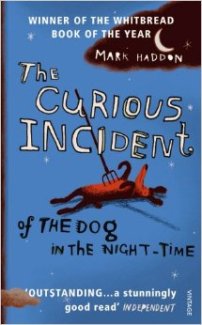
51Js6G5I9PL._SY344_BO1,204,203,200_The Curious incident of the Dog in the Night-Time, by Mark Haddon. The London Underground.

After seeing the London Tube through the eyes of the highly functioning – yet socially inadequate – autistic 15-year-old Christopher Boone, the charismatic narrator of this stunning novel, readers will agree the Underground is the perfect metaphor for the lair of imaginary or real monsters we all need to fight and overcome in the course of our lives. The Tube, with its vibrant atmosphere, train noises, buskers and the multitudes of daily travelers rushing down its corridors. can certainly be an overwhelming experience for someone like Chris, or readers who are not entirely comfortable with crowds and frenzy.


518A0CQ6VVLWuthering Heights, by Emily Bronte.
Yorkshire.

This region of northern England, swept by winds and storms, as depicted by Emily Bronte, is the ultimate expression of a romantic and dramatic landscape: wild, visceral, and passionate. This remarkable setting, of course, matches the personalities of the novel’s unforgettable characters, Cathy and Heathcliff, who roam the region’s bleak moors – alive and dead! The historic county of Yorkshire is, by the way, the largest and one of the greenest in the UK. 


2666The Bonfire of the Vanities, by Tom Wolfe. New York City.

Wall Street, Park Avenue and the Bronx are forever linked in many readers’ minds to the fate of naïve bond trader Sherman McCoy, one of the masters of the universe – in his own egocentric and distorted self-assessment. At a key plot point, Sherman misses the exit into Manhattan on his way back from Kennedy Airport, where he drove to pick up his mistress Maria. The journey ends up in a nightmare, when the couple gets involved in a hit-and-run accident, killing a black young man in the Bronx. Sherman, the superrich yuppie, becomes the perfect target: he will be used as a scapegoat and brought down by the petty political interests of the various ethnical and professional lobbying groups of 1980s New York.

9780544173767_p0_v2_s1200x630The Princess Bride, by William Goldman. The Cliffs of Insanity.

The first image that crosses my mind whenever I hear someone mention The Princess Bride are the Cliffs of Insanity (gosh, do I love this silly name!). Although this is a fictitious setting, the movie version – which was the first contact most of us had with this incredibly entertaining post-modern fairy tale – uses the real breathtaking Cliffs of Moher, in County Clare, Ireland, as the location. Facing the Atlantic, those rugged imposing cliffs are among Ireland’s most spectacular natural sights.


41hqc685dlL._SX317_BO1,204,203,200_Middlesex, by Jeffrey Eugenides. Detroit, Michigan. USA.

“I was born twice: first, as a baby girl, on a remarkably smogless Detroit day in January of 1960; and then again, as a teenage boy, in an emergency room near Petoskey, Michigan, in August of 1974”. This is one of the most intriguing opening lines in contemporary fiction. Middlesex is not only a powerful and moving journey into human sexuality, gender issues and identity, but also the three-generation saga of a Greek-American family, the Stephanides, migrating from a small village overlooking Mount Olympus all the way to Detroit, Muchigan – an improbable destination, where readers experience the story of the city from the Prohibition days, moving through its glorious days as the Motor City, and witnessing the race riots at the end of the 1960s – and beyond. An American epic.

Au revoir

Jorge Sette


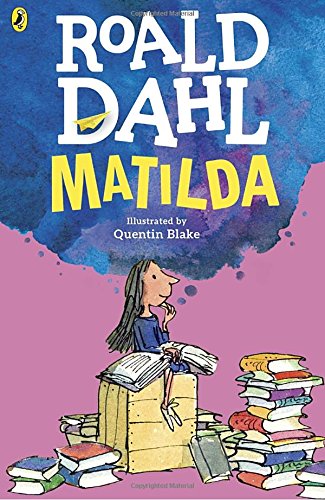
On reading – from Roald Dahl’s Matilda


“Mr Hemingway says a lot of things I don’t understand, Matilda said to her. ‘Especially about men and women. But I loved it all the same. The way he tells it I feel I am right there on the spot watching it all happen.’ ‘A fine writer will always make you feel that,’ Mrs Phelps said . ‘And don’t worry about the bits you can’t understand. Sit back and allow the words to wash around you, like music.”

51p-Bvu0-ML

For Those Who Enjoyed Netflix’s 13 Reasons Why


The popular Netflix series about teenage angst and issues – including bullying, sexual  orientation problems, drug use and suicide – has prompted many fans to look for similar material in literature. Of course, the series itself was based on the bestselling young-adult novel by Jay Asher, which came out in 2007. Therefore you might as well start there.

two young girls laughing behind another girls back

I would also recommend the following novels, which, in addition to the similarity and relevance of the issues discussed, are – just like the series – carefully crafted, brimming with colorful characters, mystery and suspense.

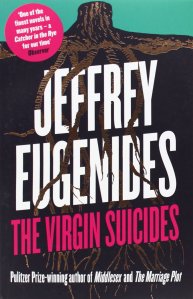
The Virgin Suicides by Jeffrey Eugenides

71mDSeTvYgL

(Originally published in 1993). Aimed at adults. Issues covered: suicide; teenage inadequacy; family problems.

This option is ideal for readers who are looking for more sophisticated and literary material on similar topics. This debut novel by Jeffrey Eugenides is certainly one the darkest (and funniest) I have ever read. The five oversheltered Lisbon sisters were difficult to differentiate: all blond, good-looking and reserved. Ranging from 13 to 17 in age, they were an eternal source of mystery and attraction to the young male kids of the neighborhood of this quiet Detroit suburb – these same boys, decades later, will narrate the sinister events which took place in the 1970s as an interesting choral voice, reminiscent of the format of Greek tragedies. Things get weird when the youngest sister, Cecilia, commits suicide, jumping from her bedroom window. Mr. and Mrs. Lisbon are devastated. The girls become progressively more detached and emotionally removed from their school and community until they stop leaving home altogether. Meanwhile, their house is undergoing a pathetic process of deterioration and decay. It looks terrible and smells bad. One year later, all the sisters will have killed themselves as well. What happened? Who’s to blame? Disturbing. Beautifully written. A masterpiece. The story was made into an acclaimed movie by director Sophia Coppola in 2000.

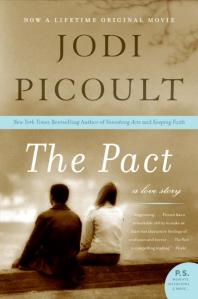
The Pact by Jodi Picoult

the-pact-06-lg

(Originally published in 1998). Aimed at young adults and adults. Issues covered: teenage pregnancy; young love; suicide.

Chris Harte and Emily Gold have known each other since they were born 17 years ago, only a few months apart. Their parents are neighbors and best friends. The kids were inseparable and their friendship blossomed into romantic love, which was exactly what their parents had been hoping for all along. They are about to finish high school, their whole lives ahead of them. Nevertheless, when they are found lying in a pool of blood near the carousel they loved going to at night, it looks like a double suicide took place. Could it have been a sinister pact? But only one bullet was fired and Chris survives, which makes the police suspect foul play.

Undone By Cat Clarke

c72abc874e3394978498e5736ce1cedc

(Originally published in 2013). Aimed at young adult readers. Issues covered: sexual orientation; bullying; suicide.

This time, instead of the infamous tapes of 13 Reasons Why, the protagonist, high-school student Jem Halliday, gets monthly letters from the afterlife with specific instructions for her to follow. The story, which takes place in a small town in England, is narrated in the first person by Jem, who has a huge crush on her best friend and long-time neighbor Kai McBride. Kai, who happens to be gay, is brutally outed when a video showing intimate scenes between him and another boy gets e-mailed anonymously to his colleagues at school, kicking off heavy homophobic bullying. As a result, Kai kills himself. Jem, outraged and angry, sets out on a mission to avenge her beloved friend. But to accomplish that, she needs to become part of the elite gang of popular kids at school.

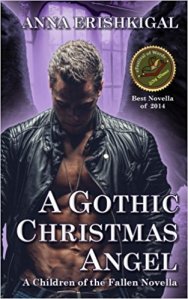
A Gothic Christmas Angel by Anna Erishkigal

51q3eF3zI2L._SX311_BO1,204,203,200_

(Originally published in 2013). Aimed at young adults. Issues covered: relationships; family matters; suicide.

This retelling of Charles Dickens’s classic A Christmas Carol takes place in modern-day Cape Cod, Massachusetts. 18-year-old Cassie works as a barista to help her alcoholic and harping mother. Her father abandoned the family when she was a kid. It’s Christmas Eve. Cassie gets dumped by her cheating boyfriend of five months, and out of despair, deliberately crashes her car into an old beech tree. As she lies slumped over the steering wheel, Cassie has an out-of-body kind of experience, being visited upon by a dark angel, Jeremiel – described in the book as “a smoking hot, really tall Goth Dude”. Can he help her review her life and avoid being sucked by demons into Hell?

Would you have any other suggestions? Please let us know.

Au revoir

Jorge Sette

Stephen King’s The Shining: Like Father, Like Son.


Looking for the perfect book to read on Father’s Day? The Shining by Stephen King is a classic: one of the scariest books ever written. One reason for its popularity is the novel was turned into a celebrated movie directed by Stanley Kubrick, starring Jack Nicholson and Shelley Duval in the main roles, back in the 1980s.

Rumor has it that King himself was not entirely happy with the movie adaptation. If you read the book, you will probably understand why. Although the movie is heavily inspired by the book, it takes a lot of detours from the original plot and skips important themes that play an essential subtext.

5802698618_c2fbf5eefe_b

In broad strokes, the novel tells the story of Jack Torrance, a recovering alcoholic with a short temper, who – unable to find a job anywhere else, after beating up a student at the school he used to work as a writing teacher – is hired, with the help of a friend, as the caretaker of the sinister Overlook hotel for the winter months, taking his young wife, Wendy, and their 5-year-old son, Danny, with him.

The hotel is completely empty and isolated. To spice things up, Danny has the gift of precognition, popularly known, among the initiated, as the shining: he can read people’s thoughts, foresee the future, and have glimpses of violent incidents that took place a long time ago. Weird things start happening at the hotel. The family, especially the father and the son, are haunted by ghosts and unusual experiences.

Among the strange ocurrences that contribute to its sense of horror, the novel depicts a topiary – bushes and trees trimmed in the form of a rabbit, two lions and a dog – that seems to come to life occasionally; a dead woman who rises from a bathtub in room 217 (to this day, guests in many real hotels are said to turn down the offer to occupy the room with this number because of the novel); images of a mob murder that happened years before materialize in vivid form in front of the kid; in addition, mufffled sounds of a mask ball from the past are heard continually at night.images-2

Could all this be a metaphor for a darker link between father and son? The symptoms of something terrible lurking inside the boy and ready to blossom?

As the months go by and the winter becomes harsher, the claustrophobic atmosphere of the hotel inevitably starts to unhinge Jack Torrance, whose madness slowly sets in. He becomes a deadly menace to his own family.

(Watch the clip of one of the best scenes of the movie below. Warning: strong language is used)

Stephen King is not only a bestselling and prolific author, but he’s also really talented. His books are not just airport thrillers made out of a schematic formula meant to provide a couple of hours  of entertainement before being thrown out in the trash can at the end of your flight. The Shining, for example, can be read on at least two different levels. On a simpler, more straightforward level, we have the chilling mystery tale of a family stranded by heavy snow and lack of telecommunications, living alone in a more than 50-year-old luxurious hotel up in the mountains of Colorado.

An even more disturbing way of interpreting The Shining, however, is to read it as a vigorous metaphor for alcoholism, its genetic origins and terrible consequences: the story would consist of hyperbolic images translating the symptoms of that powerful disease that can be handed down from father to son to grandson, causing extreme anxiety, cravings, hallucinations, madness, violence, and, ultimately, death.

As backstory, the reader learns that Jack’s own father was an alcoholic. He would come home from his job as a nurse, smelling of booze and abusing his wife and kids. Despite being very fond of his father, Jack’s love wears out, as he witnesses a vicious beating his Dad administers to his Mom, for no reason at all.

Danny and Jack, for their turn, are quite close too. As a matter of fact, the bond between father and son is so strong that Wendy sometimes feels left out of their peculiar masculine world, and, as a result, even gets a bit jealous.

In an alternative interpretation of the novel, therefore, the closeness between father and son, Jack’s increasing madness at the hotel and Danny’s precognition gift can be easily understood as the addictive genetic inheritance handed down to the next generation, the beginning of what will become for Danny a full-blown disease in the future.

untitled

Steven King himself was an alcoholic at the time he wrote the novel and the theme in The Shining reflects his own worries and unhappiness about the problem. Writing, after all, has always been a potent way of purging one’s own demons.

Whatever layer of the story you choose, rest assured it will scare the living daylights out of you, which is why the book is such a great thriller in all respects.The book sustains a very oppressive atmosphere, making it rather dark. Perhaps you should put off the experience until Halloween rather than reading it now, on Father’s Day! The tension in the story grows progressively unbearable, culminating in a gruesome climactic sequence. Not to be missed.

Jorge Sette.