The Best Shows Streaming Now


If you haven’t noticed how television has evolved and improved over the past decades, you might have been living under a rock. Both cable and streaming services are constantly vying to outdo each other in terms of content quality. This transformation began in the 1990s and early 2000s with groundbreaking shows like The Sopranos (HBO), Six Feet Under (HBO), and the unforgettable Mad Men (AMC). Binge-watching became a common pastime among viewers. I dare say that TV and streaming now produce and distribute better entertainment than traditional theater movies, which tend to focus on Marvel and DC superheroes and Disney animations.

To help you navigate the overwhelming plethora of choices at your disposal, I’ve compiled a short list of personal suggestions for the best recent shows available today.

(The order is not an indication of better or worse)

1. Black Mirror (Season 7):

The writers’ creativity is running amok — and it works. The first episodes are very dark (which I love), but things get funnier and lighter as the season progresses. We even get a follow-up to one of the best episodes from a previous season. Watch out for hidden Easter eggs throughout.

2. Adolescence:
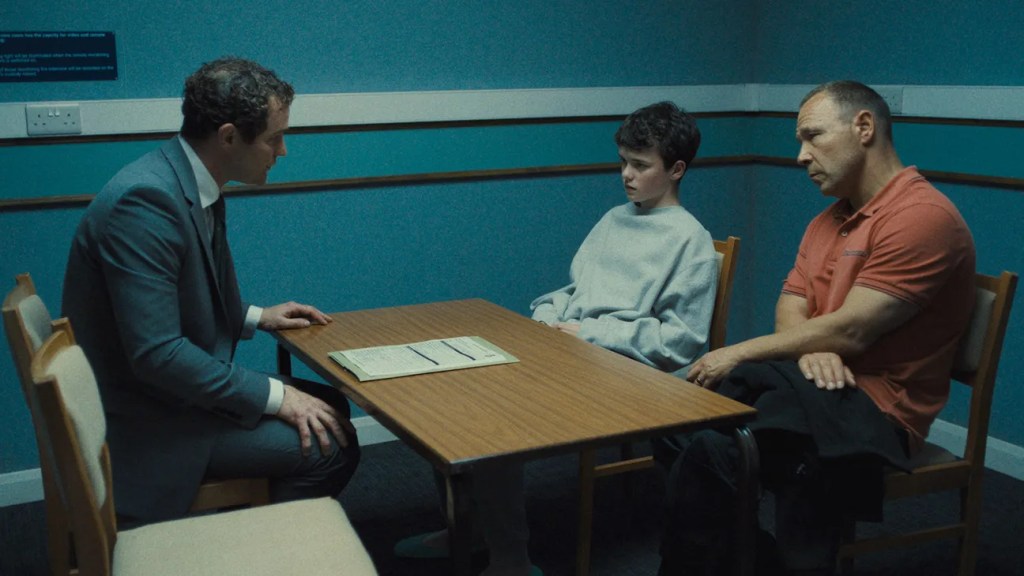
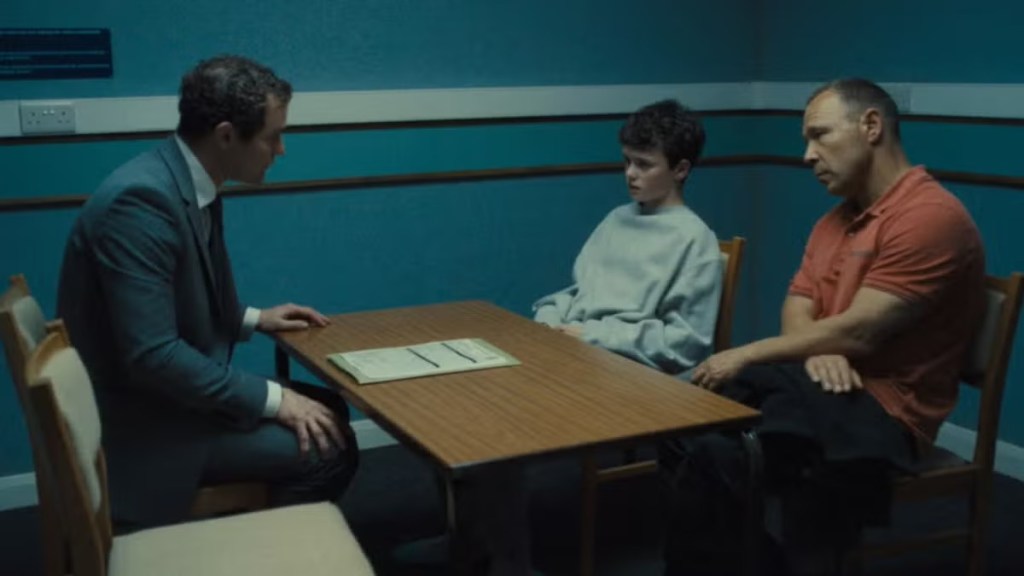
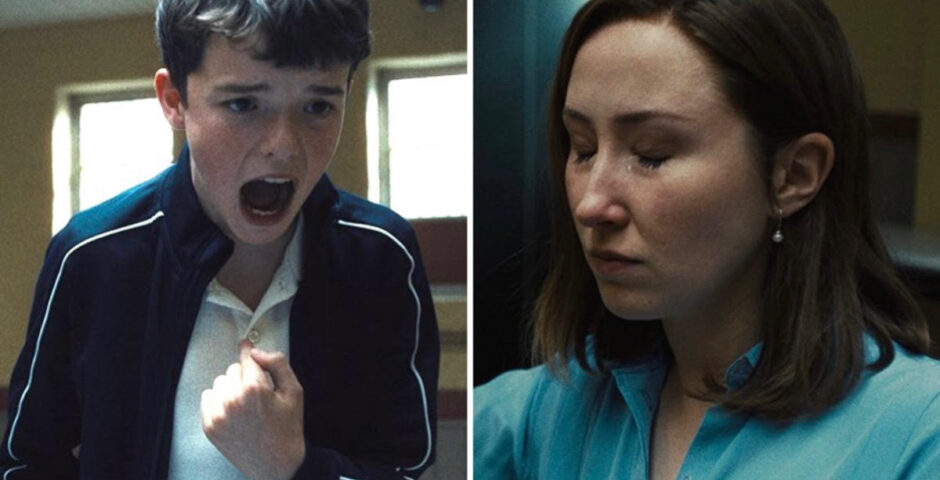
A grim and poignant event strikes a regular family in the north of England, with tragic consequences. Great acting all around. A brutal critique of the current educational system that leaves a lasting impression.

3. The White Lotus (Season 3):
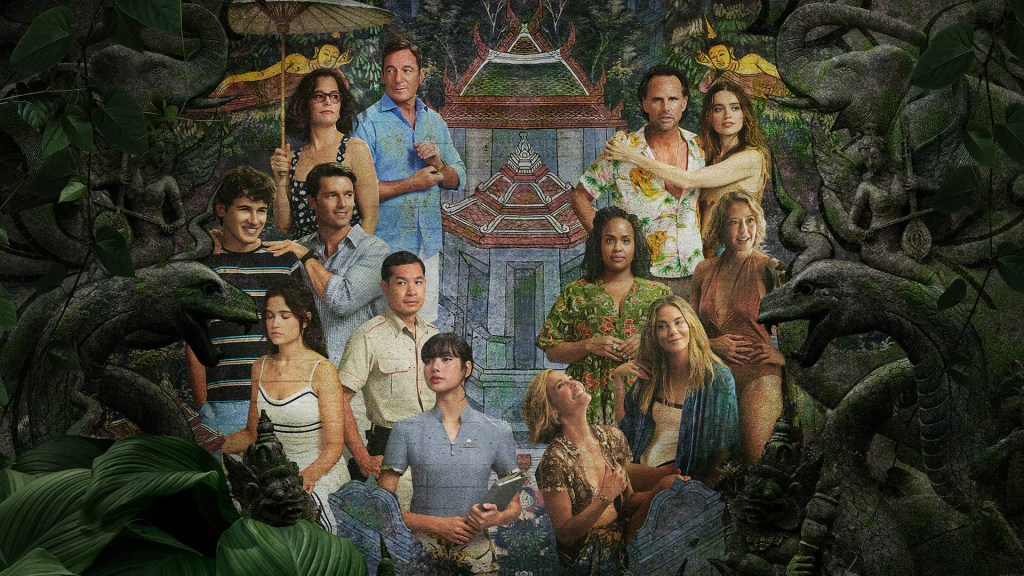
A sharp and ironic social commentary on the idiosyncrasies of the super-rich, backed up by hilarious lines. It’s a lesson in slow-burning storytelling, populated by unforgettable characters. The series’ trademark murder-at-the-end keeps viewers guessing from day one. The most charming (and best-looking) ensemble cast on TV definitely helps boost its appeal.

4. The Last of Us (Season 1):
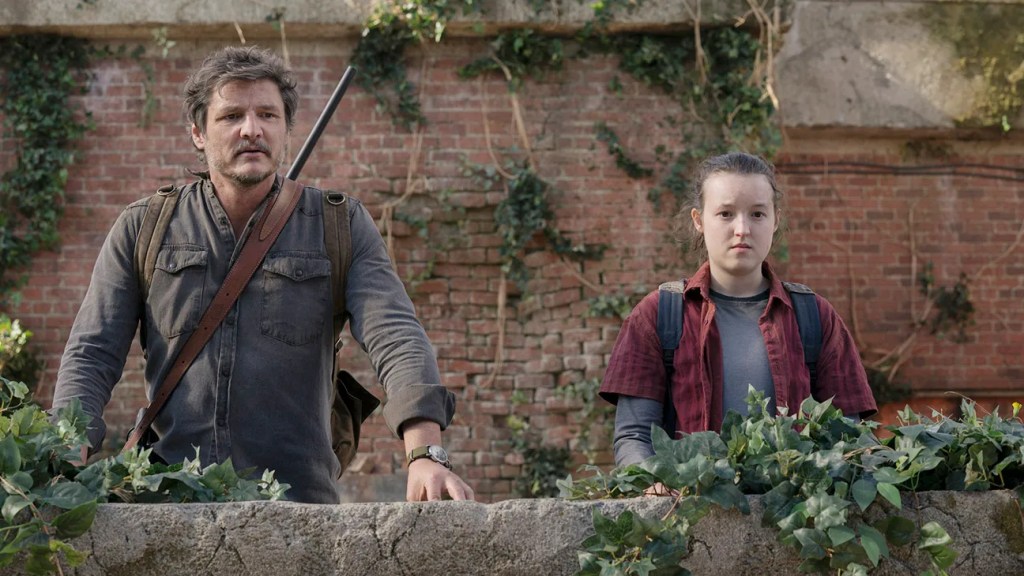
WTF!! Think The Handmaid’s Tale meets zombie apocalypse. Set 20 years after a horrific pandemic, in a pre-vaccine world, this series balances intense action and violence with surprisingly moving, sensitive passages. Smart dialogue, strong acting, and a politically charged context make it a must-see. And if you find the monsters — infected people from a weird fungal outbreak — a little ridiculous, like something out of Lost in Space (1960s), don’t worry. That shouldn’t ruin it for most viewers. Note: the first chapters of Season 2 are already available.

Have you had a chance to watch any of those shows? What do you think of them? Would you like to add any shows to the list? Feel free to write your suggestions below.

Jorge Sette

Adolescence (Netflix) – Limited Series Review


ADOLESCENCE (Netflix) is one of those shows that makes you question why you should even leave home to go to the movie theater when streaming services are the ones delivering masterpieces.


This limited series, set in the aftermath of a teenager’s murder, portrays with brutal realism the details of the investigation and the devastating impact of the crime on the suspect’s family and the students at the victim’s school.


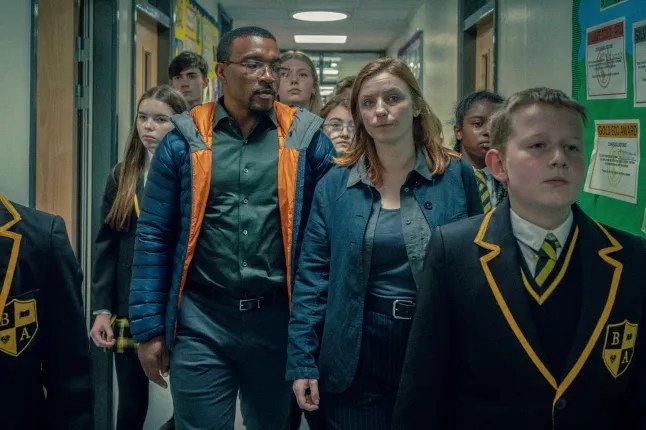
Like God, great shows lie in the details, and Adolescence highlights aspects that other productions simply overlook. Each of its four episodes unfolds as an extended sequence, focusing on a different dimension of the story. As a teacher, I found the episode set in the school particularly shocking—the rampant bullying, lack of discipline, demotivated teachers (who seem to rely almost entirely on showing videos and films), and the cryptic world of teenage social media interactions. It’s astounding how adults remain oblivious to the intricate system of coded communication embedded in emojis and slang.


“Why do all schools have the same smell?”
a frustrated police officer asks at one point. “It’s like a mixture of vomit, cabbage and masturbation. It’s horrible.”

This blunt remark sets the sobering tone of the show.


The acting is superb. Don’t miss it.

Have you watched the show yet? Please leave your comments below.

Jorge Sette
Eight World-Famous Celebrities who Speak Portuguese Fluently as a Foreign Language


Portuguese is among the top 10 most spoken languages in the world, and it should not come as a surprise that some world-famous celebrities have learned to speak it fluently. Whether through personal connections, professional reasons, or sheer curiosity, these celebrities have embraced the Portuguese language and culture. Here are some notable names:

Shakira

Shakira, the world-famous singer and dancer, learned to speak Portuguese because of her connection with Brazil. Early in her career, she worked extensively in Brazil and developed a love for the country and its language. Shakira’s dedication to learning Portuguese has paid off, and she is now quite fluent in it.

Annabelle Wallis

Annabelle Wallis, an English actress known for her roles in “The Tudors,” “Annabelle 2,” and “Peaky Blinders,” speaks Portuguese fluently. During her childhood, Annabelle lived in Portugal with her family for several years. Although she attended an international school, she picked up a lot of the Portuguese language and can speak it quite well.

J.K. Rowling

J.K. Rowling, the renowned author of the Harry Potter series, speaks Portuguese due to her time living in Portugal. From 1991 to 1993, Rowling lived in Portugal and married a Portuguese journalist, Jorge Arantes. This experience gave her ample opportunity to learn and practice the language. Rowling often replies to Portuguese fans in their native language.

Nelly Furtado

Nelly Furtado, a Canadian singer and songwriter, has Portuguese roots. Both of her parents are from the Azores, Portugal, and they emigrated to Canada when she was very young. Despite growing up in Canada, her parents ensured that she learned and spoke Portuguese fluently.

Ricky Martin

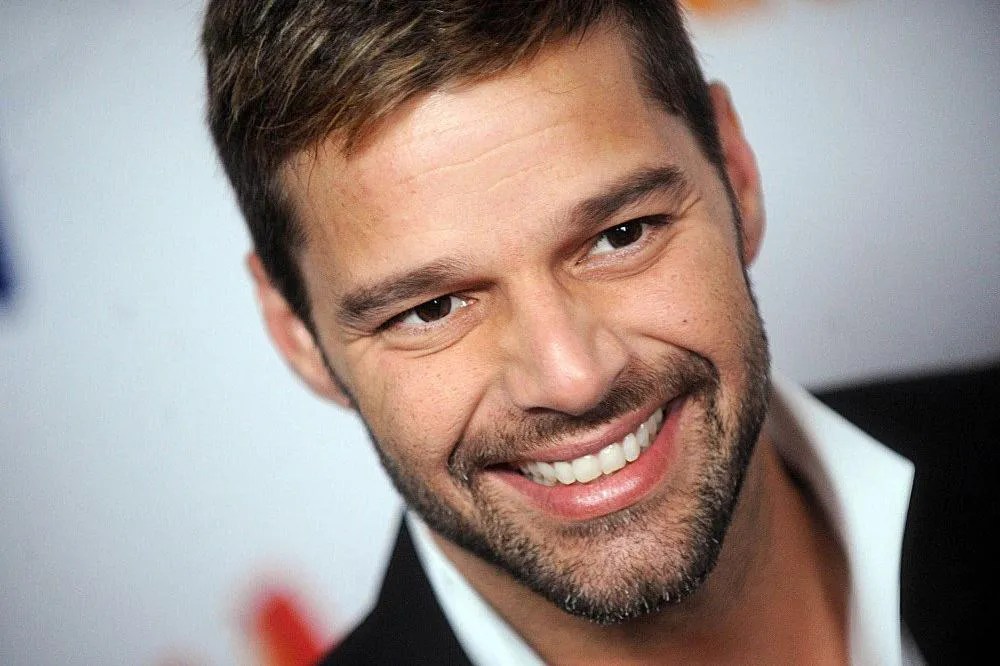
Ricky Martin, the Puerto Rican singer and actor, learned Portuguese due to his love for Brazil. With a significant fanbase in Brazil, Ricky Martin visited the country multiple times and made an effort to learn Portuguese to communicate directly with his fans..

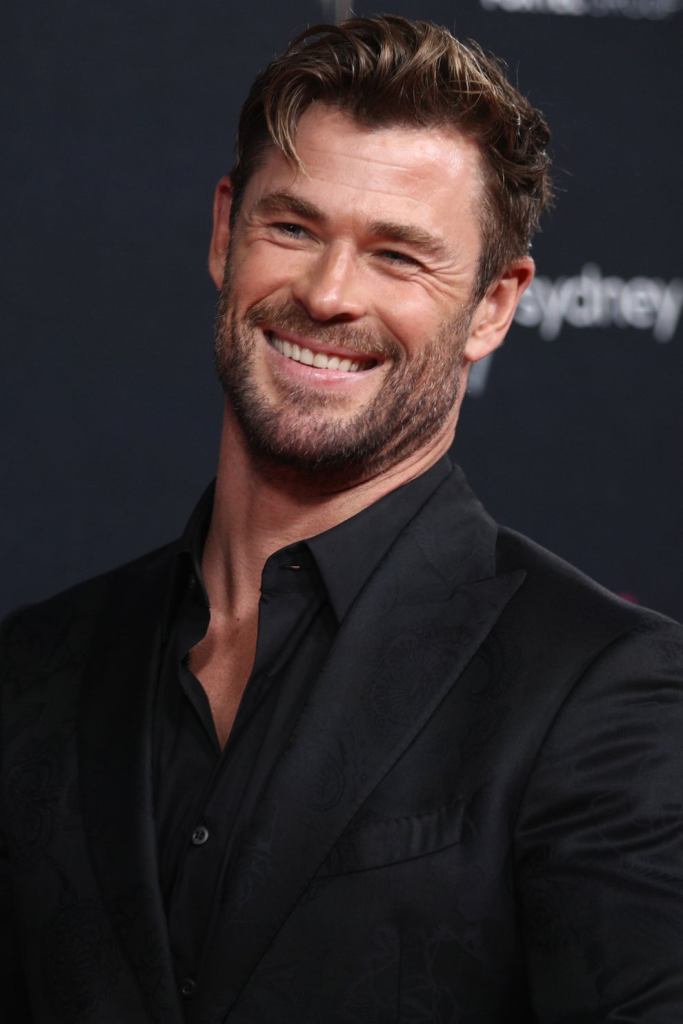
Chris Hemsworth

Chris Hemsworth, the actor known for his role as Thor in the Marvel movies, is Australian. However, he picked up Portuguese through his travels and connections with Portuguese-speaking people.

Mira Sorvino

Mira Sorvino is an Oscar-winning American actress – for her performance in Woody Allen’s Mighty Aphrodite. She speaks Portuguese fluently, having learned the language during her time at Harvard University, where she pursued East Asian studies.

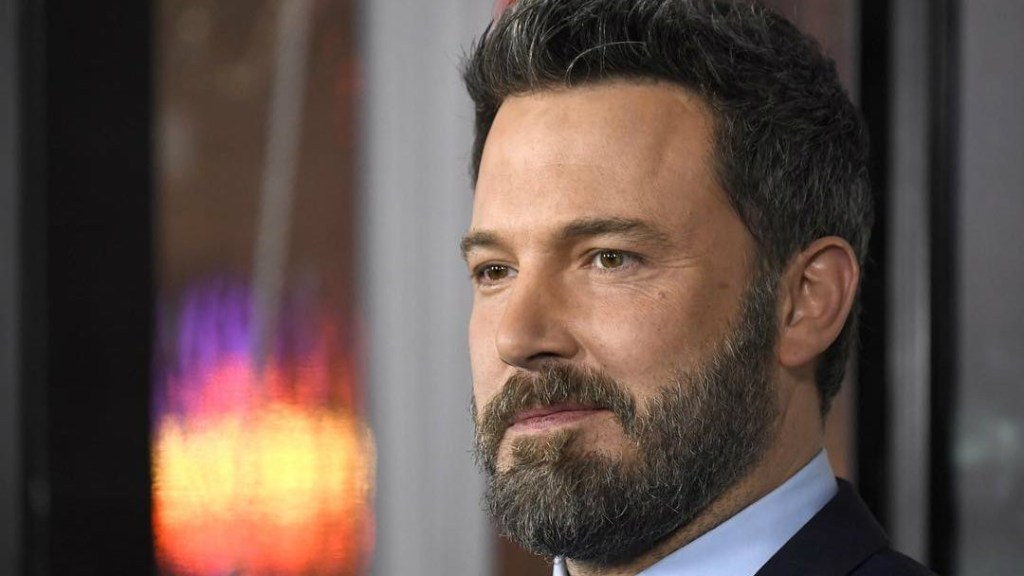
Ben Affleck

Ben Affleck, the American actor and filmmaker, also speaks Portuguese fluently. The reason is that he spent a year traveling around Portugal with his family. In addition to that, he briefly studied the language at the University of Vermont.

These celebrities have shown that learning a new language can be a rewarding and enriching experience. Whether for personal or professional reasons, their dedication to mastering Portuguese is commendable. Their ability to speak Portuguese fluently not only enhances their connection with Portuguese-speaking fans but also showcases their appreciation for the language and culture.

How about you? Interested in learning Brazilian Portuguese? Check out the ad below and reach out to us TODAY at: jorge.sette@terra.com.br

Dom – The First Brazilian Series of Amazon Prime (Review)


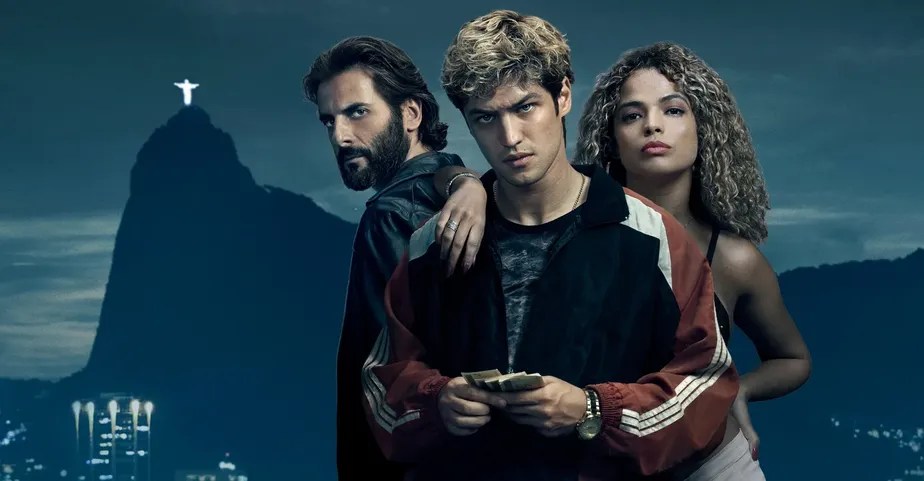
The first Brazilian series on Amazon Prime, based on Tony Belloto’s novel (2020) and on the biographical account The Witch’s Kiss (2009), written by Victor Lomba – Pedro Dom’s father in real life – doesn’t disappoint.

Dom – Amazon Prime series

Against the backdrop of the military dictatorship, the beginning of the war against drugs, and the origins of the dissemination of cocaine in Brazil (in the early 1970s), we first meet Victor Dantas (Dom’s father, played by Filipe Bragança in the 1970s scenes of the series ), a naive and idealistic young man who gives up scuba diving and joins the police to fight the drug traffic.

Then, the series, in the course of three seasons, covers the development of Victor’s activities as a police agent, his marriage, the birth and raising of his kids, and the overall vicissitudes of the family until 2005.

The story of a middle-class family dealing with the addiction of one of their members, Victor’s son, Pedro Dom, a bright and energetic teenager, who starts snorting coke at the age of fourteen, and then rises to become one of the most feared and famous criminals in Rio, will keep you glued to the screen.

Gabriel Leone as Pedro Dom.

Since the movie City of God, Rio‘s complex environment (inequality, favelas, drugs, political corruption, and the destruction that chemical addiction inflicts within loving families) has never been shown with such brutality and realism.

Unlike City of God, though, the series’s producers don’t shrink from showing Rio de Janeiro in all its glorious beauty. So, scenes depicting the extreme poverty of life in the favelas are contrasted with stunning views of Copacabana Beach.

Copacabana Beach – Rio

The cast is fantastic across the board.

The love and bond between the father, Victor (played in his maturity by the excellent Flávio Tolezani), and the problematic son, Dom (Gabriel Leone‘s charismatic performance makes the character rather likable, a glamorous antihero) feels very real and moving.

The close bond between a father and his drug addicted son.

Dom and Victor are played by different actors at different ages – all of them do a wonderful job!

Don’t miss it.

If you saw the show and read any of the books about Pedro Dom, please leave your comment in the section below.

Jorge Sette
7 Creative Ideas For Teachers to Celebrate World Book Day


World Book Day is a holiday founded by UNESCO that celebrates authors, books, and publishers. It was first commemorated on April 23, 1995, to honor author Miguel de Cervantes, who died on that same day, almost 400 years prior. It also marks the date of the death of another universally recognized author, William Shakespeare.

World Book Day isn’t quite as popular as other holidays, but the event is beginning to gain traction. With this in mind, we have decided to help our dear teachers organize a few activities at their schools to celebrate this great event. Here are some tips:

1. Organize a costume contest

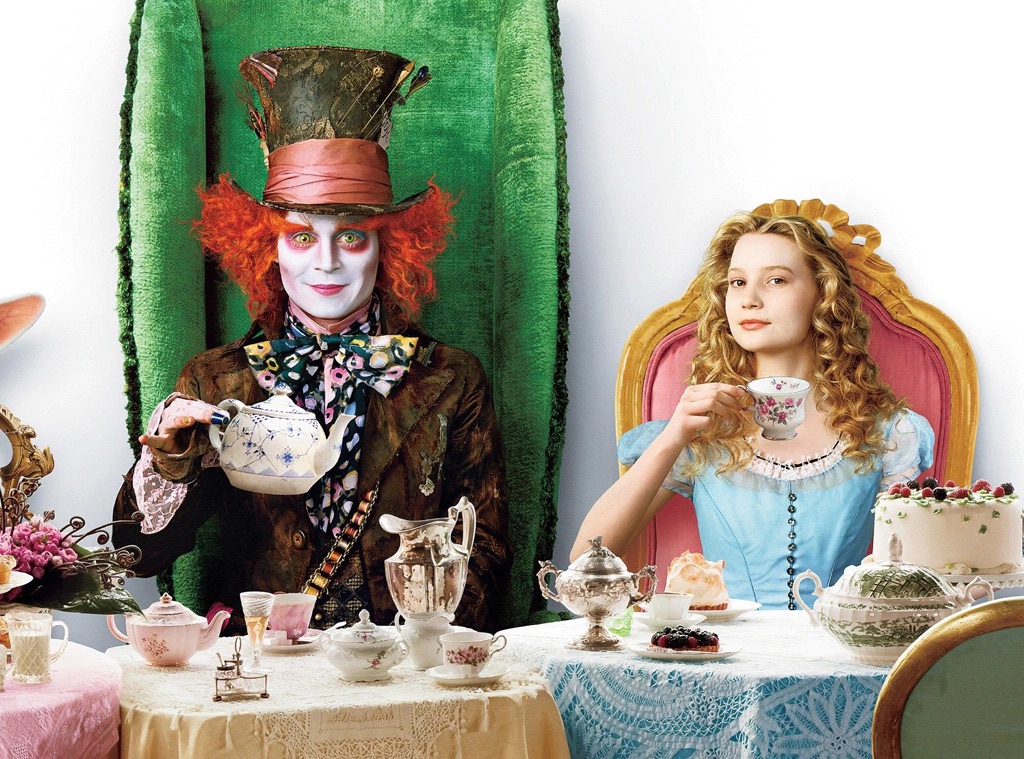
Ask your students to dress as their favorite book character (characters from Harry Potter, The Hunger Games, The Lord of the Rings, and Alice in Wonderland are very popular) and have a contest where students and teachers vote for the best costume. The prize? A book, of course!

The Harry Potter series by J.K.Rowling

2. Name the Character

Have pictures of popular or obscure book characters displayed on the school walls, each with a number on them. Students go around with a notepad and write the name of each character next to the number. The winner is the student who gets the most names right.

3. Book Quotes

Have quotes from books displayed on posters all over the school. Students pick their favorite quote and write a short essay explaining the relevance of that quote in their lives. Alternatively, students prepare their own posters with a quote, illustrate them, and explain to the class why they chose that particular quote.

4. Book Theatre

Help the students organize a play where different characters from different books interact with each other and explain to the audience why they live in the best book ever written. 

Alice in Wonderland by Lewis Carrol

5. Interview a Character

Have a couple of teachers dress as very popular characters from novels and have them interviewed by the students. Students should ask them questions about what cannot be found in the books. A great way to encourage critical thinking!

6. Infographics 

Students (individually, in pairs, or in groups) prepare an infographic (find an online app to help!) about their favorite book. They should add illustrations, information about the author, the plot, themes covered in the book, characters, a list of prizes the book may have won, info on whether there’s a movie based on the book, etc.

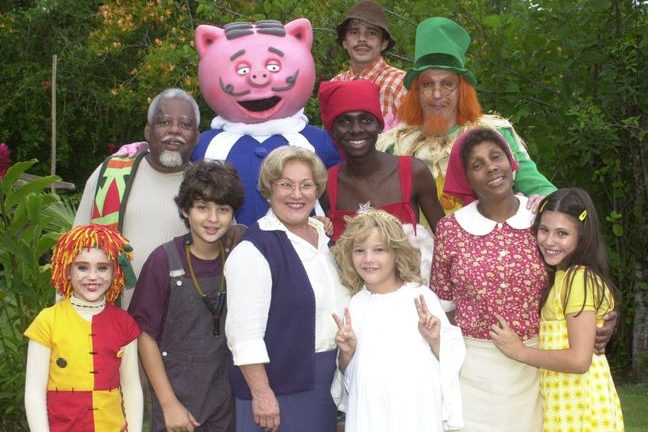
O Sítio do Picapau Amerelo by Monteiro Lobato

7. Library Contributions

Ask each student to contribute a book to the school library (used or new), with a note attached saying who contributed it. Students decide if they wish to leave the book at the library permanently as a gift to the school, or just for a couple of months. Raffle a new book amongst all the contributors.

A happy World Book Day to you! Don’t forget to let us know how you celebrated in the comments below.

Jorge Sette
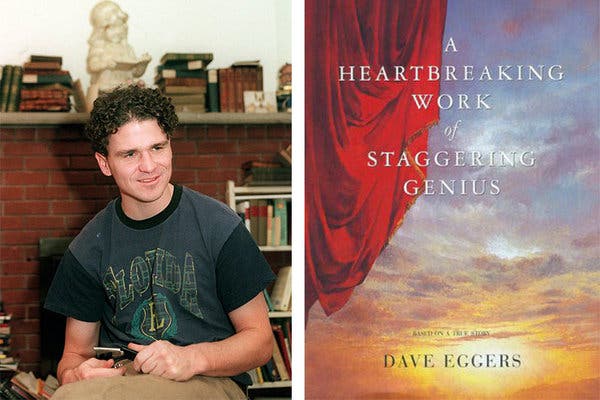
Review: A Heartbreaking Work of Staggering Genius by Dave Eggers


I read THE CIRCLE, and quite enjoyed it (even saw the movie, which is nothing special, though). But I had no idea how great a writer Dave Eggers is. I have just finished A Heartbreaking Work of Staggering Genius (23 years after it came out!) and was speechless. The language is brilliant, the story is funny and, indeed, heartbreaking at times (based on his autobiography as a 20-something-year-old orphan, having to raise his younger brother, who was 7 at the time both their parents died, 5 weeks apart from each other).

Besides, the structure of the book is rather unconventional, mixing different times and situations in the same sequence of paragraphs, and sometimes having characters break the fourth wall and discuss the book itself, adding to the originality of the work, and the pleasure of the reader. Even the preface and acknowledgments section are hilarious: Just read them if you wish (the author warns us) – I would say, do: After finishing the book!

Dave Eggers – writer

Moreover, you feel you get to know San Francisco and even California, to some extent, pretty well by the time you finish the book. I had a chance to visit the state twice a couple of years ago, so was already kind of familiar with the place.

Now I’m getting ready to start THE EVERY, one of his latest books. Hope it does not disappoint.

Have you ever read any of Dave Eggers’s books? Would you like to share your impressions with us? Use the comments section below.

Jorge Sette
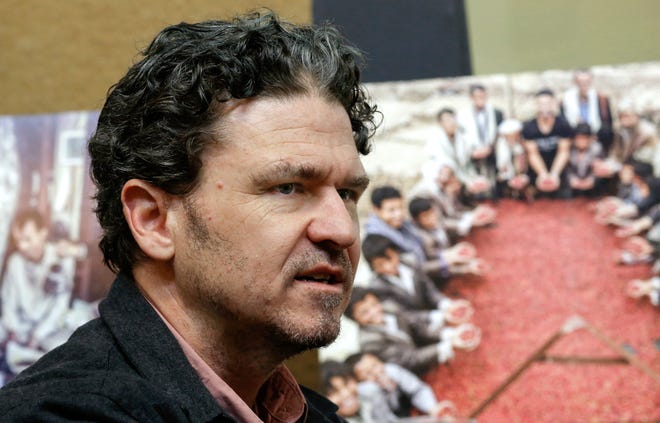
10 Inspiring Quotes by Pelé


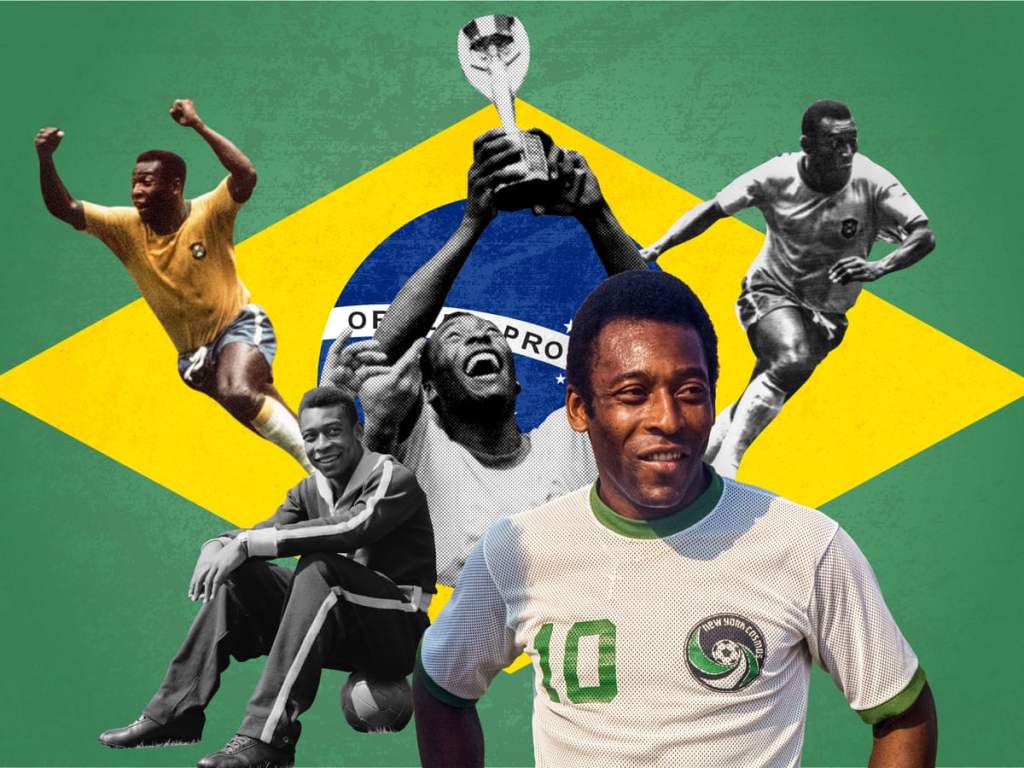
Pelé, considered the best soccer player of all time, has died today at age 82. There’s nothing much to say about a celebrity who’s known worldwide and that has elevated Brazil, soccer, and his hometown team of Santos to the level of luxury brands. Those, like me, who had a chance to watch Pelé play (at least on live television) are very lucky, as they had the unique experience of seeing a real superhero at his best perfomances. Pelé was a genius. This can be translated as a combination of talent (genetics) and preparation (exercising, discipline, effort, persistence). The lesson here is that even those who do not have an overdeveloped inborn talent in the field they become professionals can improve hugely if they decide to focus on hard work and practice.

Here are 10 quotes I collected, summarising some of Pelé’s thoughts and perspectives:

1. If you don’t give education to people, it is easy to manipulate them.

2. I sometimes lie awake at night and wonder why I am still so popular and, to be honest, I don’t know.

3. I’ve come to accept that the life of a frontrunner is a hard one, that he will suffer more injuries than most men and that many of these injuries will not be accidental. 


4. You must respect people and work hard to be in shape. And I used to train very hard. When the others players went to the beach after training, I was there kicking the ball.

5. Success is no accident. It is hard work, perseverance, learning, studying, sacrifice and most of all, love of what you are doing or learning to do.

6. The more difficult the victory, the greater the happiness in winning.

7. If you are first you are first. If you are second, you are nothing.

8. Everything is practice.

9. The ambition should always be to play an elegant game.

10. Great teams are not made up of many well-rounded players. Great teams are made up of a variety of players, each having their own strengths

Do you know any other quotes by Pelé you would like to add to this list? Use the comments section below, please.

Jorge Sette

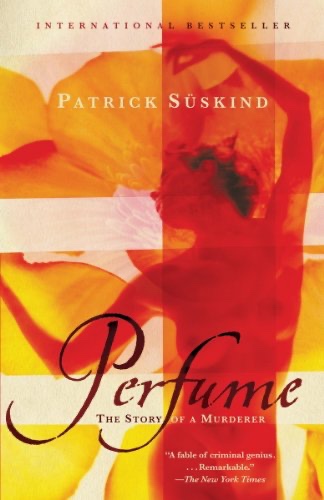
Review: Perfume – The Story of a Murderer, by Patrick Süskind


I have just finished one of the most fascinating books I’ve ever read. I can’t wrap my head around it, though. I don’t really know what it meant. One can interpret it in a number of ways, and I have been doing that for the past few days. The meaning the author wanted to convey can be as elusive as the book’s subject matter: SCENT. 

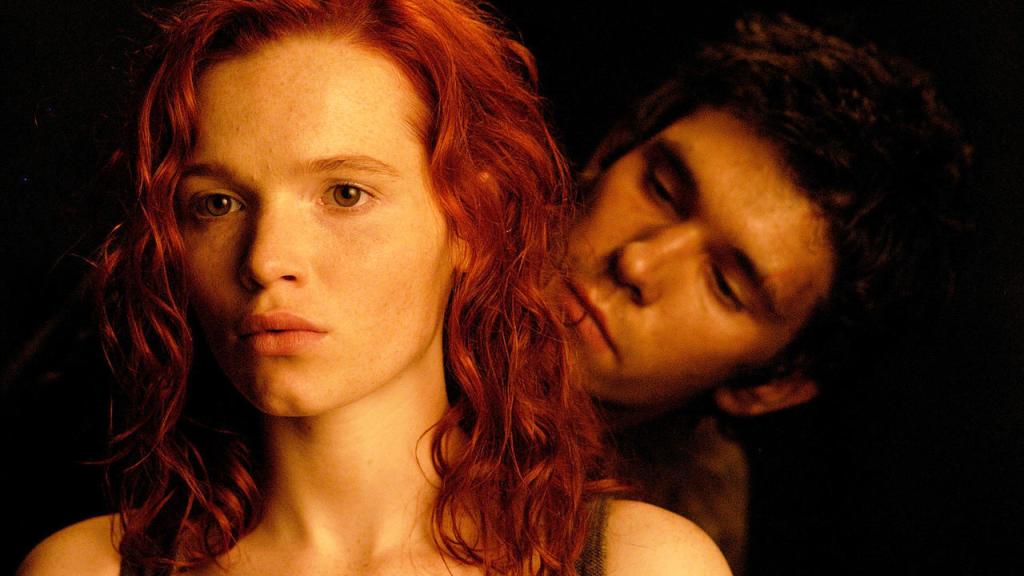
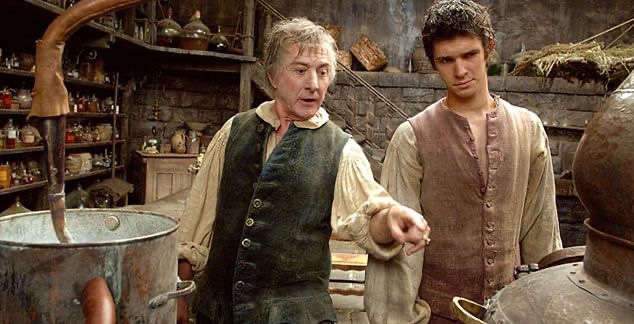
There was a copy of Perfume: The Story of a Murderer, by Patrick Süskind, at my mother’s house when I was in college. I never touched it. I’m glad I didn’t, as I’m sure I wouldn’t have liked it then, being too young to deal with its abstractions. Now I read the English translation from the German by John E. Woods: The language is amazing, a pleasure in its own right. I wonder what it sounds likes in the original. There’s a movie based on the book, but most of my friends told me it wasn’t nearly as good as the novel. So I guess I won’t see it.

The content of the book wafts from the page in its mixture of aromatic words, fragrant images, perfumed beauty, pungent corruption, and putrid evil. What does it mean to be human? What can satisfy a person? This is what the story seems to ask. Read this masterpiece and let’s discuss it. 

However, after reading the book, you will never think of scent, odor, perfume, and stench – or France in the 18th century for that matter – in the same way again.

Have you read the book? What are your thoughts about it? Let us know.

Jorge Sette

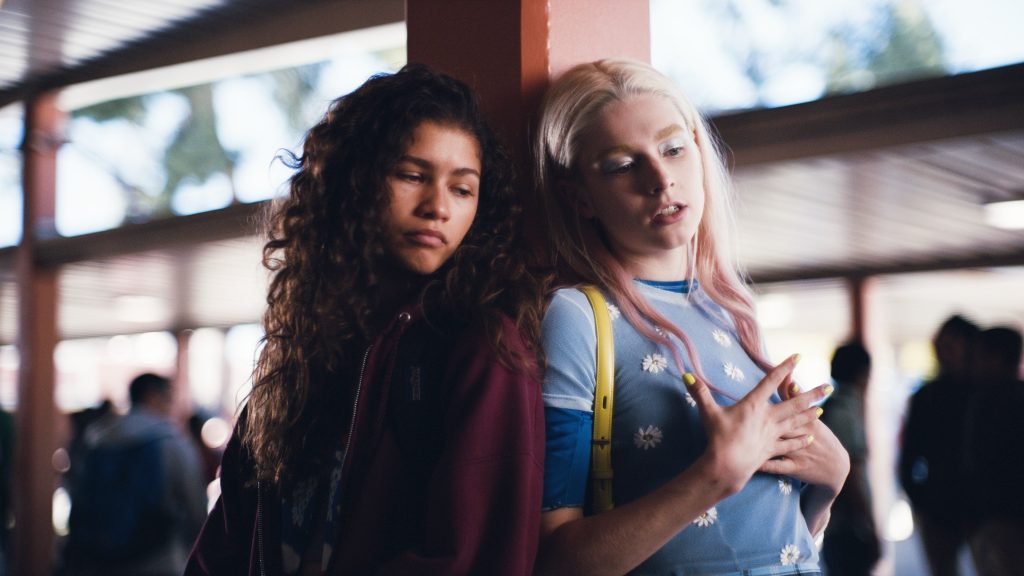
Euphoria (HBO): second season (review)


Now that Zendaya won a Best Actress Emmy for the role of the drug addict Rue in the successful HBO series Euphoria, I’m rewatching the second season. I want to check out her performance and decide if the show is as good as I thought it was when I first saw it.

The series is definitely not for the faint of heart. The story, set in the fictitious town of East Highland in California, is about a group of High School teenagers, most of them still living with their highly dysfunctional middle-class families.

Drugs, sex, and cell phones abound. These characters are portrayed in all their rawness, brutality, and emptiness by an extraordinary cast of young and mature actors.

The highlight of the second season is a play within the show (“Our Lives”), created and directed by one of the students, Lexi, who seems to act as the moral center of the story. The play – stunning in itself for us, the home audience – helps the characters sitting in the school theater see themselves as they really are, with all their flaws and inconsistencies (rather than the fake personas they try to create and project), therefore stirring strong emotions, and leading to a huge unscripted fight on the stage. “Art should be dangerous”, says an assistant to the devastated director to soothe her. But the show must go on.

Most of the relevant current themes are discussed in Euphoria, to some extent: friendship, loyalty, love, the opioid crisis, fluid sexuality, transsexualism, pedophilia, toxic masculinity, feminism, sexual orientation, the breakdown of the traditional family and its values, the difficulty to communicate real feelings or develop an authentic personality.

There’s a lot of physical and verbal violence too. Keeping in mind that the objective of ambitious shows is not only to entertain but also to discuss controversial issues and provoke change, Euphoria is a great show, if you can manage to watch the frequent uncomfortable scenes.

Have you had a chance to watch the show? Please leave your comments in the section below.

Jorge Sette

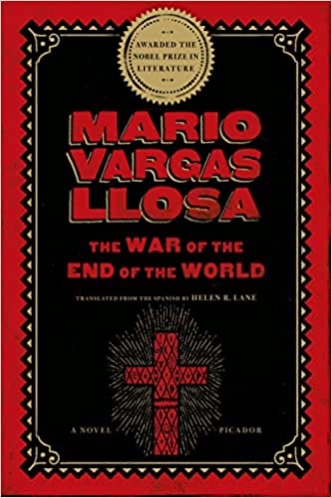
The War of the End of the World, by Vargas Llosa – Book Review


I read Euclides da Cunha’s The Backlands (Os Sertões), a brilliant journalistic account of the War of Canudos, a couple of years ago. The report is extremely well-written, precise, and exciting – to the extent that non-fictional pieces of writing can afford to be, even when they incorporate techniques more typically used in fiction. However, regular readers will agree that nothing can be more thrilling, more stimulating to the imagination, than great novels.
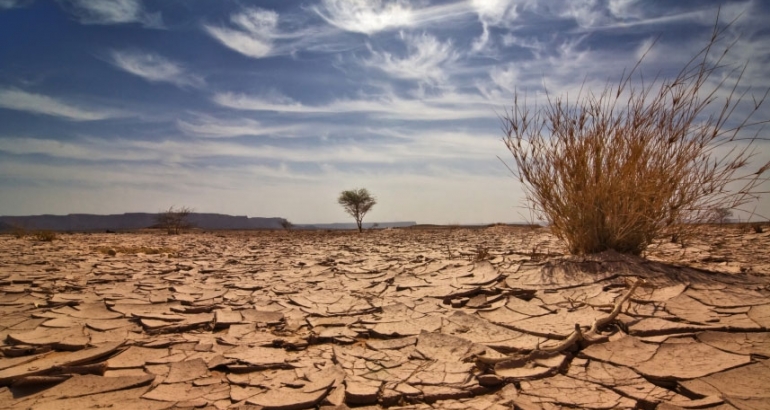
Therefore, even if you loved The Backlands, which I certainly did, don’t miss reading Peruvian writer Vargas Llosa’s The War of the End of the World, the novel based on the same event – a war waged between the official powers of the recently proclaimed Brazilian Republic and a gathering of some 30,000 jagunços (the name given to the impoverished and undernourished inhabitants of the backlands), who built a community, Canudos, in the northeast of Bahia at the end of the nineteenth century.

First of all, I was impressed by how much Llosa knows about Brazil. He must have undertaken extensive and in-depth research about this period of our history. As a consequence, he is quite familiar with the different groups of people who lived in the region, their customs and physical characteristics, the regional names they gave to the native vegetation and geographic locations of the backlands, an area of the interior of the northeast of Brazil punished by constant droughts, leading to poverty, scarcity of all kinds of resources and, as a result, illness, ignorance, and predisposition to all kinds of superstitions and fanaticism.

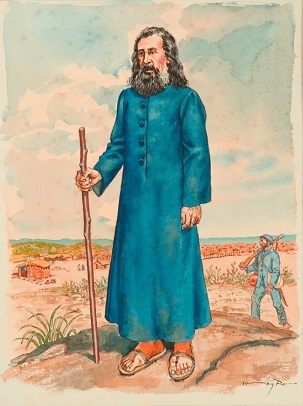
The War of Canudos is a very complex conflict, involving clashes between opposing political interests,  different economic classes, idiosyncratic religious views, and diverse cosmologies to sum it all up. It was a war between myths, in the broadest sense of the word. The military sent to the region claim they were defending the interests of the Brazilian Republic against heavily armed conservationists backed up by the English and local aristocrats who were trying to revert the country to a monarchy. Nevertheless, the jagunços who came in droves to put together and live in the community of Canudos were mostly Catholics who followed the somewhat peculiar doctrine of the charismatic religious guru Antônio Conselheiro, the Counselor. This religious leader had, with the mere strength of his words and personal example, the power to persuade the simple-minded people of the backlands to turn their violent and empty lives into something more peaceful and meaningful; he gave them loftier aspirations.

Antônio Conselheiro

The War of Canudos needs to be interpreted from different angles and perspectives. The lines separating right and wrong as far as the confronting ideologies went are not clear-cut. Lots of gray areas. The horror, however, made itself rather concrete and clear, through the brutality and violence that took place in those forgotten and distant dry lands of the interior of Brazil during the conflict. Llosa’s novel is not for the faint of heart, by the way. The explicit descriptions of shots, throat slashes, decapitations, stabbings, bombardments, disfigurement of faces, bayonet perforations, dismembering of body parts, causing corpses to accumulate in piles or lie strewn around, exposed to the voracity of famished vultures, dogs and rats, disputing the remains, are nauseating and shocking.

On the other hand, a strange beauty permeates the novel, when it shifts to the narration of the resilience, bravery, abnegation, cooperation, and empathy shown by the jagunços toward each other. It also emerges in the description of the cold star-studded skies at night that alternate with orange moonlit landscapes lacking in water and vegetation – only cacti, mandacarus, and shrubs could survive in such hostile climate – or, also, in the rare and quick passages portraying the sudden and brief storms that brought hope and happiness to the fighters.

The War of the End of the World is a hard book to read, with many different themes to take into consideration and reflect on. Although, at a more superficial level, it seems to be simply the fictionalized account of a real conflict that took place more than 100 years ago, the novel encapsulates relevant and current themes, especially for Brazil, a country whose stark economic inequality and cruelty toward the lower classes are still a sad reality.

Have you read any of the books mentioned in this article? Did you like them? Please leave your comments below.

Jorge Sette