If you haven’t noticed how television has evolved and improved over the past decades, you might have been living under a rock. Both cable and streaming services are constantly vying to outdo each other in terms of content quality. This transformation began in the 1990s and early 2000s with groundbreaking shows like The Sopranos (HBO), Six Feet Under (HBO), and the unforgettable Mad Men (AMC). Binge-watching became a common pastime among viewers. I dare say that TV and streaming now produce and distribute better entertainment than traditional theater movies, which tend to focus on Marvel and DC superheroes and Disney animations.
To help you navigate the overwhelming plethora of choices at your disposal, I’ve compiled a short list of personal suggestions for the best recent shows available today.
(The order is not an indication of better or worse)
1. Black Mirror (Season 7):
The writers’ creativity is running amok — and it works. The first episodes are very dark (which I love), but things get funnier and lighter as the season progresses. We even get a follow-up to one of the best episodes from a previous season. Watch out for hidden Easter eggs throughout.
2. Adolescence:
A grim and poignant event strikes a regular family in the north of England, with tragic consequences. Great acting all around. A brutal critique of the current educational system that leaves a lasting impression.
3. The White Lotus (Season 3):
A sharp and ironic social commentary on the idiosyncrasies of the super-rich, backed up by hilarious lines. It’s a lesson in slow-burning storytelling, populated by unforgettable characters. The series’ trademark murder-at-the-end keeps viewers guessing from day one. The most charming (and best-looking) ensemble cast on TV definitely helps boost its appeal.
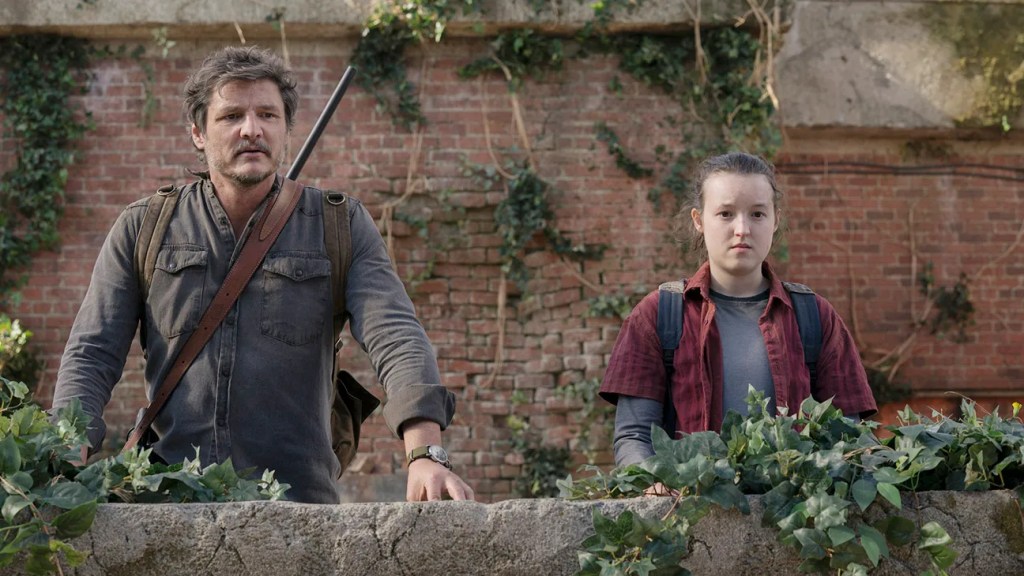
4. The Last of Us (Season 1):
WTF!! Think The Handmaid’s Tale meets zombie apocalypse. Set 20 years after a horrific pandemic, in a pre-vaccine world, this series balances intense action and violence with surprisingly moving, sensitive passages. Smart dialogue, strong acting, and a politically charged context make it a must-see. And if you find the monsters — infected people from a weird fungal outbreak — a little ridiculous, like something out of Lost in Space (1960s), don’t worry. That shouldn’t ruin it for most viewers. Note: the first chapters of Season 2 are already available.
Have you had a chance to watch any of those shows? What do you think of them? Would you like to add any shows to the list? Feel free to write your suggestions below.
ADOLESCENCE (Netflix) is one of those shows that makes you question why you should even leave home to go to the movie theater when streaming services are the ones delivering masterpieces.
This limited series, set in the aftermath of a teenager’s murder, portrays with brutal realism the details of the investigation and the devastating impact of the crime on the suspect’s family and the students at the victim’s school.
Like God, great shows lie in the details, and Adolescence highlights aspects that other productions simply overlook. Each of its four episodes unfolds as an extended sequence, focusing on a different dimension of the story. As a teacher, I found the episode set in the school particularly shocking—the rampant bullying, lack of discipline, demotivated teachers (who seem to rely almost entirely on showing videos and films), and the cryptic world of teenage social media interactions. It’s astounding how adults remain oblivious to the intricate system of coded communication embedded in emojis and slang.
“Why do all schools have the same smell?” a frustrated police officer asks at one point. “It’s like a mixture of vomit, cabbage and masturbation. It’s horrible.”
This blunt remark sets the sobering tone of the show.
The acting is superb. Don’t miss it.
Have you watched the show yet? Please leave your comments below.
Portuguese is among the top 10 most spoken languages in the world, and it should not come as a surprise that some world-famous celebrities have learned to speak it fluently. Whether through personal connections, professional reasons, or sheer curiosity, these celebrities have embraced the Portuguese language and culture. Here are some notable names:
Shakira
Shakira, the world-famous singer and dancer, learned to speak Portuguese because of her connection with Brazil. Early in her career, she worked extensively in Brazil and developed a love for the country and its language. Shakira’s dedication to learning Portuguese has paid off, and she is now quite fluent in it.
Annabelle Wallis
Annabelle Wallis, an English actress known for her roles in “The Tudors,” “Annabelle 2,” and “Peaky Blinders,” speaks Portuguese fluently. During her childhood, Annabelle lived in Portugal with her family for several years. Although she attended an international school, she picked up a lot of the Portuguese language and can speak it quite well.
J.K. Rowling
J.K. Rowling, the renowned author of the Harry Potter series, speaks Portuguese due to her time living in Portugal. From 1991 to 1993, Rowling lived in Portugal and married a Portuguese journalist, Jorge Arantes. This experience gave her ample opportunity to learn and practice the language. Rowling often replies to Portuguese fans in their native language.
Nelly Furtado
Nelly Furtado, a Canadian singer and songwriter, has Portuguese roots. Both of her parents are from the Azores, Portugal, and they emigrated to Canada when she was very young. Despite growing up in Canada, her parents ensured that she learned and spoke Portuguese fluently.
Ricky Martin
Ricky Martin, the Puerto Rican singer and actor, learned Portuguese due to his love for Brazil. With a significant fanbase in Brazil, Ricky Martin visited the country multiple times and made an effort to learn Portuguese to communicate directly with his fans..
Chris Hemsworth
Chris Hemsworth, the actor known for his role as Thor in the Marvel movies, is Australian. However, he picked up Portuguese through his travels and connections with Portuguese-speaking people.
Mira Sorvino
Mira Sorvino is an Oscar-winning American actress – for her performance in Woody Allen’s Mighty Aphrodite. She speaks Portuguese fluently, having learned the language during her time at Harvard University, where she pursued East Asian studies.
Ben Affleck
Ben Affleck, the American actor and filmmaker, also speaks Portuguese fluently. The reason is that he spent a year traveling around Portugal with his family. In addition to that, he briefly studied the language at the University of Vermont.
These celebrities have shown that learning a new language can be a rewarding and enriching experience. Whether for personal or professional reasons, their dedication to mastering Portuguese is commendable. Their ability to speak Portuguese fluently not only enhances their connection with Portuguese-speaking fans but also showcases their appreciation for the language and culture.
How about you? Interested in learning Brazilian Portuguese? Check out the ad below and reach out to us TODAY at: jorge.sette@terra.com.br
In recent years, the world has witnessed a significant surge in the number of people learning Portuguese as a foreign language. This trend is not just a passing fad but a reflection of the growing importance of Portuguese on the global stage. Whether it’s for business, travel, or cultural enrichment, there are numerous compelling reasons to take up Portuguese. In this blog post, we will explore ten key reasons why Portuguese is becoming increasingly popular and why you should consider learning it too.
1. Portuguese is a Global Language
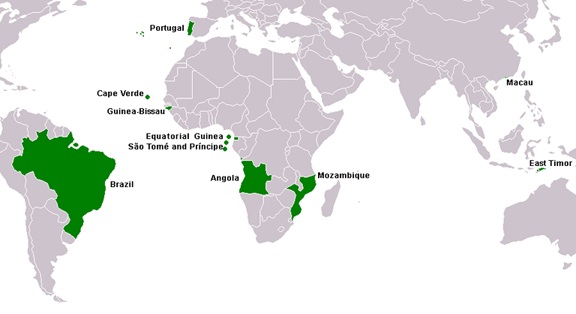
Portuguese is the sixth most spoken language in the world, with over 220 million native speakers. It is the official language of nine countries (plus Macau), including Brazil, Portugal, Mozambique, Angola, and several others. This widespread use makes Portuguese a valuable language for international communication and opens up opportunities in various regions across the globe.
2. Economic Opportunities in Brazil
Brazil, the largest Portuguese-speaking country, boasts one of the world’s largest economies. With its diverse industries, including agriculture, manufacturing, and technology, Brazil offers numerous business opportunities. Learning Portuguese can give you a competitive edge in the job market and help you tap into the economic potential of this vibrant country.
3. Rich Cultural Heritage
Portuguese-speaking countries have a rich cultural heritage that spans literature, music, dance, cinema, and cuisine. From the soulful sounds of Fado music in Portugal to the vibrant Carnival celebrations in Brazil, learning Portuguese allows you to immerse yourself in these unique cultural experiences and gain a deeper appreciation for the traditions and customs of these countries.
4. Travel and Tourism
Portuguese-speaking countries are popular travel destinations, known for their stunning landscapes, historical landmarks, and warm hospitality. Whether you’re exploring the picturesque streets of Lisbon, relaxing on the beautiful beaches of Rio de Janeiro, or embarking on a safari in Mozambique, knowing Portuguese can enhance your travel experiences and help you connect with locals on a more personal level.
Rio de Janeiro, Brazil
5. Academic and Research Opportunities
Portuguese is an important language in academia and research, particularly in fields such as Latin American studies, linguistics, and history. Many universities and research institutions offer programs and scholarships for students who are proficient in Portuguese. By learning the language, you can access a wealth of academic resources and collaborate with scholars from Portuguese-speaking countries.
6. Growing Influence in Africa
Portuguese is an official language in several African countries, including Angola, Mozambique, and Guinea-Bissau. These countries are experiencing rapid economic growth and development, making them attractive destinations for investment and business ventures. Learning Portuguese can help you navigate these emerging markets and build strong connections with local partners.
7. Enhanced Cognitive Skills
Learning a new language has been shown to improve cognitive skills, such as memory, problem-solving, and multitasking. Portuguese, with its unique grammar and vocabulary, can provide a stimulating mental workout and keep your brain sharp. Additionally, being bilingual or multilingual can enhance your overall communication skills and cultural awareness.
8. Access to Portuguese Literature and Media
Portuguese literature is rich and diverse, with renowned authors such as Fernando Pessoa, José Saramago, Machado de Assis and Clarice Lispector. By learning Portuguese, you can read these literary works in their original language and gain a deeper understanding of their nuances and cultural context. Additionally, you can enjoy Portuguese-language films, music, and television shows, further enriching your cultural experience.
9. Strengthening Personal and Professional Relationships
Knowing Portuguese can help you build stronger personal and professional relationships with Portuguese-speaking individuals. Whether you’re working with colleagues from Brazil, making friends in Portugal, or collaborating with partners in Angola, speaking their language can foster trust, respect, and effective communication.
10. A Fun and Rewarding Challenge
Learning Portuguese can be a fun and rewarding challenge. The language has a melodic quality and a rich vocabulary that can be enjoyable to learn and use. As you progress in your language journey, you’ll experience a sense of accomplishment and satisfaction that comes with mastering a new skill.
Conclusion
In conclusion, there are countless reasons to take up Portuguese as a foreign language. From economic opportunities and cultural enrichment to travel and cognitive benefits, learning Portuguese can open up a world of possibilities. So why not embark on this exciting linguistic adventure? Whether you’re a student, a professional, or simply a language enthusiast, Portuguese is a valuable and rewarding language to learn. Start your journey today and discover the many benefits of speaking Portuguese!
Note: Jorge Sette, M.A. in Applied Linguistics offers lessons of Brazilian Portuguese online. The number of spots is limited. Hurry up! Don’t hesitate to reach out to him at: jorge.sette@terra.com.br
Portuguese is one of the world’s most widely spoken languages, but there’s so much more to it than meets the eye. Here are ten intriguing facts about this beautiful and versatile language:
1. Portuguese Is the Official Language of 10 Countries
Portuguese is the official language of: Portugal, Brazil, Angola, Mozambique, Cape Verde, Guinea-Bissa, São Tomé and Príncipe, East Timor, Equatorial Guinea, Macau (the latter is not a sovereign country, but it recognizes Portuguese as an official language).
Together, these nations and regions form the Community of Portuguese Language Countries (CPLP).
2. Brazil Has the Largest Portuguese-Speaking Population
With over 220 million of the world’s Portuguese speakers, Brazil is the largest Portuguese-speaking country. As a matter of fact, Brazil accounts for more than 80% of all Portuguese speakers worldwide.
3. Portuguese Is the Fastest-Growing European Language
Portuguese is the fastest-growing European language after English. Its spread in Africa and its increasing relevance in global trade contribute to its rising prominence.
4. It Has Influenced Other Languages
Portuguese has left its mark on several languages, especially in Asia. For example, words like chá (tea) entered Japanese, Cantonese, and even English via Portuguese traders.
5. It’s a Romance Language
Portuguese evolved from Latin, just like Spanish, French, and Italian. Its closest linguistic relative is Galician, spoken in the Galicia region of Spain.
6. Portuguese Is the Sixth Most Spoken Language Worldwide
Portuguese has 265 million speakers, ranking as the sixth most spoken language in the world, following Mandarin Chinese, Spanish, English, Hindi, and Arabic.
Soccer – Ipanema Beach, Rio.
7. It’s One of the Most Phonetic Languages
Although Portuguese pronunciation may seem tricky at first, the language is relatively phonetic. Once you learn the rules, it’s often possible to pronounce words correctly by reading them.
8. Many Portuguese Words Have Arabic Origins
When the Moors ruled the Iberian Peninsula, they introduced many Arabic words into Portuguese. Common examples include açúcar (sugar), alface (lettuce), álcool (alcohol), alfazema (lavender) almofada (pillow), marfim (ivory), azeite de oliva (olive oil), and algodão (cotton).
9. There Are Unique Portuguese Sounds
Portuguese has sounds that are rare in other Romance languages. For instance, nasal vowels (marked by a tilde, like in ocupação) are a distinctive feature that can be challenging, and, yet, interesting to learners.
10. It’s One of the Oldest Modern Languages
Portuguese was officially recognized as a language in 1290 by King Denis of Portugal. He founded the first Portuguese university and declared that the Vulgar Language (spoken Portuguese) should replace Latin as the official language in legal documents.
Conclusion
Portuguese is a rich and fascinating language with a global footprint. Whether you’re learning it for travel, business, or cultural appreciation, these facts highlight its historical and linguistic significance. Did any of these surprise you? Let us know in the comments!
NOTE: I give online classes of Brazilian Portuguese for foreigners. If you are interested, don’t hesitate to reach out: jorge.sette@terra.com.br
Here are five compelling reasons to study Brazilian Portuguese:
1. Cultural Richness
Brazil is home to a vibrant culture that includes music (samba, bossa nova, MPB, rock and funk), dance, literature, cinema, art, and cuisine. Learning Portuguese allows you to immerse yourself fully in this rich cultural heritage.
2. Professional Opportunities
Brazil has the largest economy in Latin America and is a key player in industries like agriculture, energy, and technology. Speaking Portuguese can open doors for careers in international business, tourism, and diplomacy.
3. Communication with Over 220 Million Speakers
Portuguese is the official language of Brazil, the largest Portuguese-speaking country in the world. Learning the language allows you to connect with millions of people across the globe.
4. Travel and Exploration
Brazil is a diverse and breathtakingly beautiful country, offering destinations like the Amazon Rainforest, stunning beaches, Rio de Janeiro, Iguaçu Falls, Salvador and São Paulo. Speaking Portuguese enhances travel experiences by helping you connect with locals and navigate the country with ease.
Ipanema and Leblon
5. Linguistic Enrichment
Studying Brazilian Portuguese provides insights into the evolution of Romance languages and strengthens your understanding of grammar and vocabulary, particularly if you already know another Romance language like Spanish or French.
Would you like additional reasons or guidance on resources for learning?
I’m offering one-to-one lessons of Brazilian Portuguese for foreigners. The lessons are online but the spots are limited. Join today! Don’t hesitate to reach out to us at: jorge.sette@terra.com.br
The first Brazilian series on Amazon Prime, based on Tony Belloto’s novel (2020) and on the biographical account The Witch’s Kiss (2009), written by Victor Lomba – Pedro Dom’s father in real life – doesn’t disappoint.
Dom – Amazon Prime series
Against the backdrop of the military dictatorship, the beginning of the war against drugs, and the origins of the dissemination of cocaine in Brazil (in the early 1970s), we first meet Victor Dantas (Dom’s father, played by Filipe Bragança in the 1970s scenes of the series ), a naive and idealistic young man who gives up scuba diving and joins the police to fight the drug traffic.
Then, the series, in the course of three seasons, covers the development of Victor’s activities as a police agent, his marriage, the birth and raising of his kids, and the overall vicissitudes of the family until 2005.
The story of a middle-class family dealing with the addiction of one of their members, Victor’s son, Pedro Dom, a bright and energetic teenager, who starts snorting coke at the age of fourteen, and then rises to become one of the most feared and famous criminals in Rio, will keep you glued to the screen.
Gabriel Leone as Pedro Dom.
Since the movie City of God, Rio‘s complex environment (inequality, favelas, drugs, political corruption, and the destruction that chemical addiction inflicts within loving families) has never been shown with such brutality and realism.
Unlike City of God, though, the series’s producers don’t shrink from showing Rio de Janeiro in all its glorious beauty. So, scenes depicting the extreme poverty of life in the favelas are contrasted with stunning views of Copacabana Beach.
Copacabana Beach – Rio
The cast is fantastic across the board.
The love and bond between the father, Victor (played in his maturity by the excellent Flávio Tolezani), and the problematic son, Dom (Gabriel Leone‘s charismatic performance makes the character rather likable, a glamorous antihero) feels very real and moving.
The close bond between a father and his drug addicted son.
Dom and Victor are played by different actors at different ages – all of them do a wonderful job!
Don’t miss it.
If you saw the show and read any of the books about Pedro Dom, please leave your comment in the section below.
Having seen Scorsese’s wonderful latest movie (Killers of the Flower Moon), I was tempted to get the book it was based on – written by David Grann.
I finished the book in 3 days, couldn’t put it down. It’s a factual account of brutal events I had never heard of and that gives us a totally different perspective on the mythical cowboys and westerns fabricated by Hollywood.
It tells the story of the Osage tribe of indigenous people forced to relocate from Kansas to a new reservation in Oklahoma (with a rocky and arid terrain) at the end of the 19th century. It turned out the soil was rich in oil, which turned the tribe into one to the richest nations on earth.
Of course, it didn’t take long for the ambitious “whites” to do everything they could to rob those people – considered second-class citizens, or even animals – of their wealth, starting a ”reign of terror“: Corruption, murders, and all kinds of fraudulent schemes took place, with the complicity of the highest authorities of the land.
The book, of course, offers a lot more details and also tells the reader about the creation of the FBI, which is also a great story.
The best thing is that now I found a new favorite writer: I have just started reading David Grann’s latest book: The WAGER.
Let’s us know if you have read the book (or seen the movie) and what you think about it.
World Book Day is a holiday founded by UNESCO that celebrates authors, books, and publishers. It was first commemorated on April 23, 1995, to honor author Miguel de Cervantes, who died on that same day, almost 400 years prior. It also marks the date of the death of another universally recognized author, William Shakespeare.
World Book Day isn’t quite as popular as other holidays, but the event is beginning to gain traction. With this in mind, we have decided to help our dear teachers organize a few activities at their schools to celebrate this great event. Here are some tips:
1. Organize a costume contest
Ask your students to dress as their favorite book character (characters from Harry Potter, The Hunger Games, The Lord of the Rings, and Alice in Wonderland are very popular) and have a contest where students and teachers vote for the best costume. The prize? A book, of course!
The Harry Potter series by J.K.Rowling
2. Name the Character
Have pictures of popular or obscure book characters displayed on the school walls, each with a number on them. Students go around with a notepad and write the name of each character next to the number. The winner is the student who gets the most names right.
3. Book Quotes
Have quotes from books displayed on posters all over the school. Students pick their favorite quote and write a short essay explaining the relevance of that quote in their lives. Alternatively, students prepare their own posters with a quote, illustrate them, and explain to the class why they chose that particular quote.
4. Book Theatre
Help the students organize a play where different characters from different books interact with each other and explain to the audience why they live in the best book ever written.
Alice in Wonderland by Lewis Carrol
5. Interview a Character
Have a couple of teachers dress as very popular characters from novels and have them interviewed by the students. Students should ask them questions about what cannot be found in the books. A great way to encourage critical thinking!
6. Infographics
Students (individually, in pairs, or in groups) prepare an infographic (find an online app to help!) about their favorite book. They should add illustrations, information about the author, the plot, themes covered in the book, characters, a list of prizes the book may have won, info on whether there’s a movie based on the book, etc.
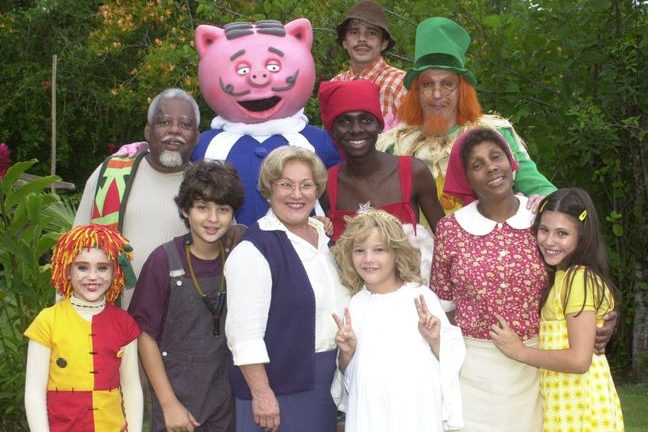
O Sítio do Picapau Amerelo by Monteiro Lobato
7. Library Contributions
Ask each student to contribute a book to the school library (used or new), with a note attached saying who contributed it. Students decide if they wish to leave the book at the library permanently as a gift to the school, or just for a couple of months. Raffle a new book amongst all the contributors.
A happy World Book Day to you! Don’t forget to let us know how you celebrated in the comments below.
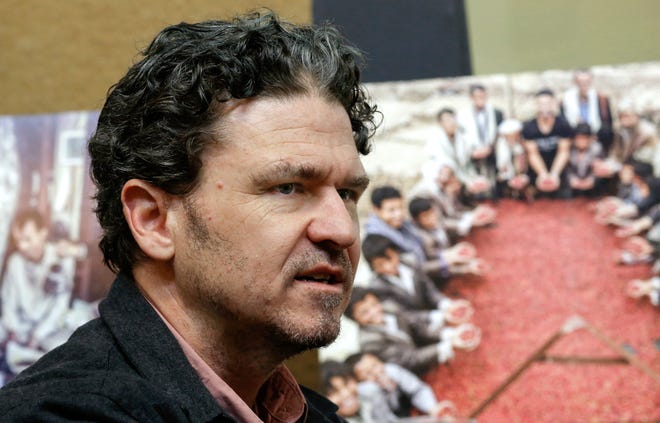
I read THE CIRCLE, and quite enjoyed it (even saw the movie, which is nothing special, though). But I had no idea how great a writer Dave Eggers is. I have just finished A Heartbreaking Work of Staggering Genius (23 years after it came out!) and was speechless. The language is brilliant, the story is funny and, indeed, heartbreaking at times (based on his autobiography as a 20-something-year-old orphan, having to raise his younger brother, who was 7 at the time both their parents died, 5 weeks apart from each other).
Besides, the structure of the book is rather unconventional, mixing different times and situations in the same sequence of paragraphs, and sometimes having characters break the fourth wall and discuss the book itself, adding to the originality of the work, and the pleasure of the reader. Even the preface and acknowledgments section are hilarious: Just read them if you wish (the author warns us) – I would say, do: After finishing the book!
Dave Eggers – writer
Moreover, you feel you get to know San Francisco and even California, to some extent, pretty well by the time you finish the book. I had a chance to visit the state twice a couple of years ago, so was already kind of familiar with the place.
Now I’m getting ready to start THE EVERY, one of his latest books. Hope it does not disappoint.
Have you ever read any of Dave Eggers’s books? Would you like to share your impressions with us? Use the comments section below.






































 Jorge Sette "Linguagem"