Eight World-Famous Celebrities who Speak Portuguese Fluently as a Foreign Language


Portuguese is among the top 10 most spoken languages in the world, and it should not come as a surprise that some world-famous celebrities have learned to speak it fluently. Whether through personal connections, professional reasons, or sheer curiosity, these celebrities have embraced the Portuguese language and culture. Here are some notable names:

Shakira

Shakira, the world-famous singer and dancer, learned to speak Portuguese because of her connection with Brazil. Early in her career, she worked extensively in Brazil and developed a love for the country and its language. Shakira’s dedication to learning Portuguese has paid off, and she is now quite fluent in it.

Annabelle Wallis

Annabelle Wallis, an English actress known for her roles in “The Tudors,” “Annabelle 2,” and “Peaky Blinders,” speaks Portuguese fluently. During her childhood, Annabelle lived in Portugal with her family for several years. Although she attended an international school, she picked up a lot of the Portuguese language and can speak it quite well.

J.K. Rowling

J.K. Rowling, the renowned author of the Harry Potter series, speaks Portuguese due to her time living in Portugal. From 1991 to 1993, Rowling lived in Portugal and married a Portuguese journalist, Jorge Arantes. This experience gave her ample opportunity to learn and practice the language. Rowling often replies to Portuguese fans in their native language.

Nelly Furtado

Nelly Furtado, a Canadian singer and songwriter, has Portuguese roots. Both of her parents are from the Azores, Portugal, and they emigrated to Canada when she was very young. Despite growing up in Canada, her parents ensured that she learned and spoke Portuguese fluently.

Ricky Martin

Ricky Martin, the Puerto Rican singer and actor, learned Portuguese due to his love for Brazil. With a significant fanbase in Brazil, Ricky Martin visited the country multiple times and made an effort to learn Portuguese to communicate directly with his fans..

Chris Hemsworth

Chris Hemsworth, the actor known for his role as Thor in the Marvel movies, is Australian. However, he picked up Portuguese through his travels and connections with Portuguese-speaking people.

Mira Sorvino

Mira Sorvino is an Oscar-winning American actress – for her performance in Woody Allen’s Mighty Aphrodite. She speaks Portuguese fluently, having learned the language during her time at Harvard University, where she pursued East Asian studies.

Ben Affleck

Ben Affleck, the American actor and filmmaker, also speaks Portuguese fluently. The reason is that he spent a year traveling around Portugal with his family. In addition to that, he briefly studied the language at the University of Vermont.

These celebrities have shown that learning a new language can be a rewarding and enriching experience. Whether for personal or professional reasons, their dedication to mastering Portuguese is commendable. Their ability to speak Portuguese fluently not only enhances their connection with Portuguese-speaking fans but also showcases their appreciation for the language and culture.

How about you? Interested in learning Brazilian Portuguese? Check out the ad below and reach out to us TODAY at: jorge.sette@terra.com.br


10 Reasons Why Portuguese as a Foreign Language is on the Rise Globally


In recent years, the world has witnessed a significant surge in the number of people learning Portuguese as a foreign language. This trend is not just a passing fad but a reflection of the growing importance of Portuguese on the global stage. Whether it’s for business, travel, or cultural enrichment, there are numerous compelling reasons to take up Portuguese. In this blog post, we will explore ten key reasons why Portuguese is becoming increasingly popular and why you should consider learning it too.

1. Portuguese is a Global Language

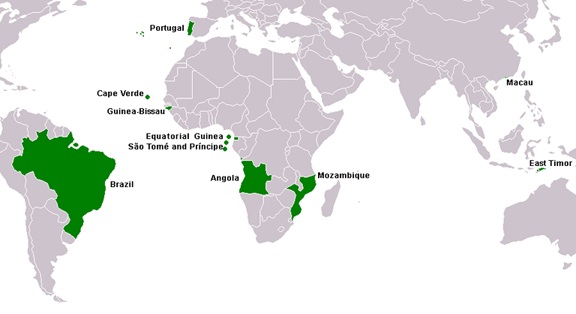
Portuguese is the sixth most spoken language in the world, with over 220 million native speakers. It is the official language of nine countries (plus Macau), including Brazil, Portugal, Mozambique, Angola, and several others. This widespread use makes Portuguese a valuable language for international communication and opens up opportunities in various regions across the globe.

2. Economic Opportunities in Brazil

Brazil, the largest Portuguese-speaking country, boasts one of the world’s largest economies. With its diverse industries, including agriculture, manufacturing, and technology, Brazil offers numerous business opportunities. Learning Portuguese can give you a competitive edge in the job market and help you tap into the economic potential of this vibrant country.

3. Rich Cultural Heritage

Portuguese-speaking countries have a rich cultural heritage that spans literature, music, dance, cinema, and cuisine. From the soulful sounds of Fado music in Portugal to the vibrant Carnival celebrations in Brazil, learning Portuguese allows you to immerse yourself in these unique cultural experiences and gain a deeper appreciation for the traditions and customs of these countries.

4. Travel and Tourism

Portuguese-speaking countries are popular travel destinations, known for their stunning landscapes, historical landmarks, and warm hospitality. Whether you’re exploring the picturesque streets of Lisbon, relaxing on the beautiful beaches of Rio de Janeiro, or embarking on a safari in Mozambique, knowing Portuguese can enhance your travel experiences and help you connect with locals on a more personal level.

Rio de Janeiro, Brazil

5. Academic and Research Opportunities

Portuguese is an important language in academia and research, particularly in fields such as Latin American studies, linguistics, and history. Many universities and research institutions offer programs and scholarships for students who are proficient in Portuguese. By learning the language, you can access a wealth of academic resources and collaborate with scholars from Portuguese-speaking countries.

6. Growing Influence in Africa

Portuguese is an official language in several African countries, including Angola, Mozambique, and Guinea-Bissau. These countries are experiencing rapid economic growth and development, making them attractive destinations for investment and business ventures. Learning Portuguese can help you navigate these emerging markets and build strong connections with local partners.

7. Enhanced Cognitive Skills

Learning a new language has been shown to improve cognitive skills, such as memory, problem-solving, and multitasking. Portuguese, with its unique grammar and vocabulary, can provide a stimulating mental workout and keep your brain sharp. Additionally, being bilingual or multilingual can enhance your overall communication skills and cultural awareness.

8. Access to Portuguese Literature and Media

Portuguese literature is rich and diverse, with renowned authors such as Fernando Pessoa, José Saramago, Machado de Assis and Clarice Lispector. By learning Portuguese, you can read these literary works in their original language and gain a deeper understanding of their nuances and cultural context. Additionally, you can enjoy Portuguese-language films, music, and television shows, further enriching your cultural experience.

9. Strengthening Personal and Professional Relationships

Knowing Portuguese can help you build stronger personal and professional relationships with Portuguese-speaking individuals. Whether you’re working with colleagues from Brazil, making friends in Portugal, or collaborating with partners in Angola, speaking their language can foster trust, respect, and effective communication.

10. A Fun and Rewarding Challenge

Learning Portuguese can be a fun and rewarding challenge. The language has a melodic quality and a rich vocabulary that can be enjoyable to learn and use. As you progress in your language journey, you’ll experience a sense of accomplishment and satisfaction that comes with mastering a new skill.

Conclusion

In conclusion, there are countless reasons to take up Portuguese as a foreign language. From economic opportunities and cultural enrichment to travel and cognitive benefits, learning Portuguese can open up a world of possibilities. So why not embark on this exciting linguistic adventure? Whether you’re a student, a professional, or simply a language enthusiast, Portuguese is a valuable and rewarding language to learn. Start your journey today and discover the many benefits of speaking Portuguese!

Note: Jorge Sette, M.A. in Applied Linguistics offers lessons of Brazilian Portuguese online. The number of spots is limited. Hurry up! Don’t hesitate to reach out to him at: jorge.sette@terra.com.br

10 Fascinating Facts About the Portuguese Language


Portuguese is one of the world’s most widely spoken languages, but there’s so much more to it than meets the eye. Here are ten intriguing facts about this beautiful and versatile language:

1. Portuguese Is the Official Language of 10 Countries

Portuguese is the official language of: Portugal, Brazil, Angola, Mozambique, Cape Verde, Guinea-Bissa, São Tomé and Príncipe, East Timor, Equatorial Guinea, Macau (the latter is not a sovereign country, but it recognizes Portuguese as an official language).

Together, these nations and regions form the Community of Portuguese Language Countries (CPLP).

2. Brazil Has the Largest Portuguese-Speaking Population

With over 220 million of the world’s Portuguese speakers, Brazil is the largest Portuguese-speaking country. As a matter of fact, Brazil accounts for more than 80% of all Portuguese speakers worldwide.

3. Portuguese Is the Fastest-Growing European Language

Portuguese is the fastest-growing European language after English. Its spread in Africa and its increasing relevance in global trade contribute to its rising prominence.

4. It Has Influenced Other Languages

Portuguese has left its mark on several languages, especially in Asia. For example, words like chá (tea) entered Japanese, Cantonese, and even English via Portuguese traders.

5. It’s a Romance Language

Portuguese evolved from Latin, just like Spanish, French, and Italian. Its closest linguistic relative is Galician, spoken in the Galicia region of Spain.

6. Portuguese Is the Sixth Most Spoken Language Worldwide

Portuguese has 265 million speakers, ranking as the sixth most spoken language in the world, following Mandarin Chinese, Spanish, English, Hindi, and Arabic.

Soccer – Ipanema Beach, Rio.

7. It’s One of the Most Phonetic Languages

Although Portuguese pronunciation may seem tricky at first, the language is relatively phonetic. Once you learn the rules, it’s often possible to pronounce words correctly by reading them.

8. Many Portuguese Words Have Arabic Origins

When the Moors ruled the Iberian Peninsula, they introduced many Arabic words into Portuguese. Common examples include açúcar (sugar), alface (lettuce), álcool (alcohol), alfazema (lavender) almofada (pillow), marfim (ivory), azeite de oliva (olive oil), and algodão (cotton).

9. There Are Unique Portuguese Sounds

Portuguese has sounds that are rare in other Romance languages. For instance, nasal vowels (marked by a tilde, like in ocupação) are a distinctive feature that can be challenging, and, yet, interesting to learners.

10. It’s One of the Oldest Modern Languages

Portuguese was officially recognized as a language in 1290 by King Denis of Portugal. He founded the first Portuguese university and declared that the Vulgar Language (spoken Portuguese) should replace Latin as the official language in legal documents.

Conclusion

Portuguese is a rich and fascinating language with a global footprint. Whether you’re learning it for travel, business, or cultural appreciation, these facts highlight its historical and linguistic significance. Did any of these surprise you? Let us know in the comments!

NOTE: I give online classes of Brazilian Portuguese for foreigners. If you are interested, don’t hesitate to reach out: jorge.sette@terra.com.br

Jorge Sette


Ensinando Português “BRASILAIRO” em Portugal


Depois de morar na Inglaterra por quase 18 meses em 88/89, a coceira de viajar recomeçou, e como havia tido o convite  de um colega de escola  em Bournemouth para visitá-lo no Algarve, resolvi aproveitar a aportunidade e passar um tempo em Portugal.  Chegando ao aeroporto em Portugal,  percebi já uma familiaridade brasileira na imigração, uma atmosfera bem diferente da formalidade e frieza britânicas. Também, saindo à rua,  me chamou a atenção a luminosidade do lugar, se comparada à qual  me havia exposto nos últimos 18 meses. Praticamente não houvera verão em 88 na Inglaterra.

No avião, soubera por um outro brasileiro de uma “pousada” no centro  de Lisboa, com preços acessíveis e uma dona muito simpática.  Uma vez que não fizera reserva, resolvi ligar de um telefone público para a tal senhora da pousada.  Já ao telefone senti dificuldade em entender o sotaque lusitano, e me parecia que a dona da pousada se dirigia a mim de forma estranha: ‘Sim, senhôra, temos vagas! ‘  Não podia acreditar que ela estivesse  confundindo meu sexo, pois minha voz mudara muito cedo na adolescência, e  não havia dúvidas de que depois dos vinte anos eu tinha defitivamente o timbre masculino na voz! Resolvi passar a falar em inglês com ela, daí foi que me dei conta de que o seu uso de “SENHÔRRRRRR (A)  era apenas uma questão de sotaque! Definitivamente, não estávamos no Brasil.

Instalado na pousada, saí imediatamente a procurar emprego.  Havia a necessidade de regularizar uns tais de RECIBOS VERDES para trabalhar legalmente, e dei início ao processo. Não havia demanda para professores de inglês, pois havia muitos ingleses na região,  e eles ocupavam os cargos, mas não tive problemas em me distinguir como PROFESSOR DE PORTUGUÊS BRASILAIRO, como dizem por lá, e logo logo tinha emprego em duas escolas.

Claro que o ensino de português como língua estrangeira não dispunha dos mesmos avanços metodológicos  e materiais didáticos  que o ensino de inglês na época. Além disso, eu havia sido professor na Cultura Inglesa de Recife, que, além de usar os livros didáticos mais atuais do mercado, se destacava pela imensa quantidade e qualidade de materiais didáticos extras disponíveis na sala dos professores. Havia material  suplementar para qualquer ponto linguístico que se precisasse ensinar.  Portanto estranhei bastante a carência de recursos  no começo.

Eu era o único professor  brasileiro nas duas escolas em Portugal. Ou seja, tudo estava sob minha responsabilidade: desde a escolha dos livros, criação da metodologia, seleção de materiais suplementares.  Desafios excitantes. Além disso, era ótimo sentir-se falante nativo da língua, um gostinho que obviamente nunca tivera ao ensinar inglês.

Jorge preparando aulas de português para estrangeiros. Lisboa, 1989.

Jorge preparando aulas de português para estrangeiros. Lisboa, 1989. Clique para aumentar.

Tive alunos bem interessantes.  Como a demanda por português brasileiro não era tão grande na época, em geral eram aulas individuais. Todos os meus alunos, tanto em Lisboa, como depois no Algarve, eram alemães. Havia também uma suíça, de mãe brasileira.

Tive uma aluna  alemã que se dizia escritora feminista, adorava Caetano Veloso, e me levou a um show dele em Lisboa (pagando a minha entrada). O show foi maravilhoso (nunca vira Caetano ao vivo no Brasil), apesar de me sentir um pouco constrangido quando a aluna cantava a plenos pulmões “réptil camaleoa” acompanhando o cantor: como o leitor deve saber, o verso original, sem a adaptação criativa da minha aluna, seria  “rapte-me, camaleoa!”. Claro que a primeira coisa que fiz  foi ensinar-lhe a letra na próxima aula, e quando vi a surpresa nos olhos dela, não tive coragem de comentar o erro anterior, ela havia notado, sem dúvida!

Tive ainda, como alunos,  um casal de operários  alemães que se mudaria para o Brasil para trabalhar com Lula e apoiá-lo na campanha presidencial de 1989.

Logo depois,  uma das escolas me convidou para ensinar  na sua filial em Faro, no Algarve.  Ali, tive um aluno alemão, executivo da Siemmens, que viria morar no Rio, e a tal aluna suíça, filha de brasileira, que já falava seis línguas. As aulas dos dois eram separadas, mas fazíamos muitos passeios juntos pelo sul de Portugal, que eram na verdade uma continuação das aulas. Me sentia um pouco como Maggie Smith no filme Primavera de Uma Solteirona, saindo em excursões e jantando com os alunos. Só que todos eram mais velhos que eu!

Engraçado como ser falante nativo da língua que se ensina pode levá-lo a surpreender-se com pontos linguísticos sobre  os quais nunca cogitara antes: um aluno me perguntou a regra de uso do subjuntivo depois das conjunções APESAR DE QUE, EMBORA, SE, etc….não soube explicar…acho que até hoje não sei. Também aprendi muito sobre as diferenças entre o português brasileiro e o lusitano.  Até mesmo com os próprios alunos. A listinha abaixo  (do site http://www.soportugues.com.br) lhes dará uma idéia, por exemplo, de diferenças de vocabulário que podem causar-lhes certos problemas:

Português do Brasil
Português de Portugal
abridor tira-cápsulas
açougue talho
aeromoça hospedeira de bordo
apostila sebenta
bala rebuçado
banheiro casa de banho
cafezinho bica
caixa, caixinha boceta
calcinha cueca
carteira de identidade bilhete de identidade
carteira de motorista carta de condução
celular telemóvel
conversível descapotável
faixa de pedestres passadeira
fila fila ou bicha (gíria)
geladeira frigorífico
grampeador agrafador
história em quadrinhos banda desenhada
injeção injeção ou pica (gíria)
meias peúgas
ônibus autocarro
pedestre peão
ponto de ônibus paragem
professor particular explicador
sanduíche sandes
sorvete gelado
suco sumo
trem comboio
vitrine montra
xícara chávena

Bem, só não havia “telemóvel” naquela época! Por hoje é só. Mais sobre ensino/aprendizagem de línguas num futuro próximo.

Au revoir.

Jorge Sette