Portuguese is one of the world’s most widely spoken languages, but there’s so much more to it than meets the eye. Here are ten intriguing facts about this beautiful and versatile language:
1. Portuguese Is the Official Language of 10 Countries
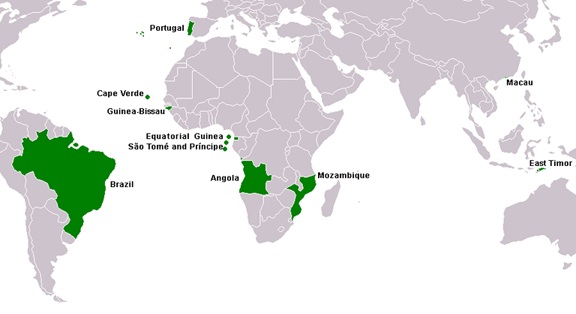
Portuguese is the official language of: Portugal, Brazil, Angola, Mozambique, Cape Verde, Guinea-Bissa, São Tomé and Príncipe, East Timor, Equatorial Guinea, Macau (the latter is not a sovereign country, but it recognizes Portuguese as an official language).
Together, these nations and regions form the Community of Portuguese Language Countries (CPLP).
2. Brazil Has the Largest Portuguese-Speaking Population
With over 220 million of the world’s Portuguese speakers, Brazil is the largest Portuguese-speaking country. As a matter of fact, Brazil accounts for more than 80% of all Portuguese speakers worldwide.
3. Portuguese Is the Fastest-Growing European Language
Portuguese is the fastest-growing European language after English. Its spread in Africa and its increasing relevance in global trade contribute to its rising prominence.
4. It Has Influenced Other Languages
Portuguese has left its mark on several languages, especially in Asia. For example, words like chá (tea) entered Japanese, Cantonese, and even English via Portuguese traders.
5. It’s a Romance Language
Portuguese evolved from Latin, just like Spanish, French, and Italian. Its closest linguistic relative is Galician, spoken in the Galicia region of Spain.
6. Portuguese Is the Sixth Most Spoken Language Worldwide
Portuguese has 265 million speakers, ranking as the sixth most spoken language in the world, following Mandarin Chinese, Spanish, English, Hindi, and Arabic.
Soccer – Ipanema Beach, Rio.
7. It’s One of the Most Phonetic Languages
Although Portuguese pronunciation may seem tricky at first, the language is relatively phonetic. Once you learn the rules, it’s often possible to pronounce words correctly by reading them.
8. Many Portuguese Words Have Arabic Origins
When the Moors ruled the Iberian Peninsula, they introduced many Arabic words into Portuguese. Common examples include açúcar (sugar), alface (lettuce), álcool (alcohol), alfazema (lavender) almofada (pillow), marfim (ivory), azeite de oliva (olive oil), and algodão (cotton).
9. There Are Unique Portuguese Sounds
Portuguese has sounds that are rare in other Romance languages. For instance, nasal vowels (marked by a tilde, like in ocupação) are a distinctive feature that can be challenging, and, yet, interesting to learners.
10. It’s One of the Oldest Modern Languages
Portuguese was officially recognized as a language in 1290 by King Denis of Portugal. He founded the first Portuguese university and declared that the Vulgar Language (spoken Portuguese) should replace Latin as the official language in legal documents.
Conclusion
Portuguese is a rich and fascinating language with a global footprint. Whether you’re learning it for travel, business, or cultural appreciation, these facts highlight its historical and linguistic significance. Did any of these surprise you? Let us know in the comments!
NOTE: I give online classes of Brazilian Portuguese for foreigners. If you are interested, don’t hesitate to reach out: jorge.sette@terra.com.br
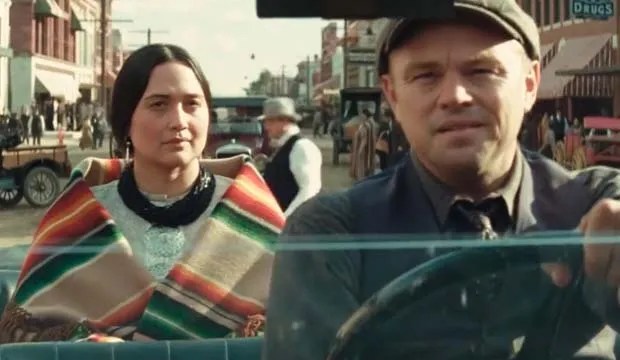
Having seen Scorsese’s wonderful latest movie (Killers of the Flower Moon), I was tempted to get the book it was based on – written by David Grann.
I finished the book in 3 days, couldn’t put it down. It’s a factual account of brutal events I had never heard of and that gives us a totally different perspective on the mythical cowboys and westerns fabricated by Hollywood.
It tells the story of the Osage tribe of indigenous people forced to relocate from Kansas to a new reservation in Oklahoma (with a rocky and arid terrain) at the end of the 19th century. It turned out the soil was rich in oil, which turned the tribe into one to the richest nations on earth.
Of course, it didn’t take long for the ambitious “whites” to do everything they could to rob those people – considered second-class citizens, or even animals – of their wealth, starting a ”reign of terror“: Corruption, murders, and all kinds of fraudulent schemes took place, with the complicity of the highest authorities of the land.
The book, of course, offers a lot more details and also tells the reader about the creation of the FBI, which is also a great story.
The best thing is that now I found a new favorite writer: I have just started reading David Grann’s latest book: The WAGER.
Let’s us know if you have read the book (or seen the movie) and what you think about it.
World Book Day is a holiday founded by UNESCO that celebrates authors, books, and publishers. It was first commemorated on April 23, 1995, to honor author Miguel de Cervantes, who died on that same day, almost 400 years prior. It also marks the date of the death of another universally recognized author, William Shakespeare.
World Book Day isn’t quite as popular as other holidays, but the event is beginning to gain traction. With this in mind, we have decided to help our dear teachers organize a few activities at their schools to celebrate this great event. Here are some tips:
1. Organize a costume contest
Ask your students to dress as their favorite book character (characters from Harry Potter, The Hunger Games, The Lord of the Rings, and Alice in Wonderland are very popular) and have a contest where students and teachers vote for the best costume. The prize? A book, of course!
The Harry Potter series by J.K.Rowling
2. Name the Character
Have pictures of popular or obscure book characters displayed on the school walls, each with a number on them. Students go around with a notepad and write the name of each character next to the number. The winner is the student who gets the most names right.
3. Book Quotes
Have quotes from books displayed on posters all over the school. Students pick their favorite quote and write a short essay explaining the relevance of that quote in their lives. Alternatively, students prepare their own posters with a quote, illustrate them, and explain to the class why they chose that particular quote.
4. Book Theatre
Help the students organize a play where different characters from different books interact with each other and explain to the audience why they live in the best book ever written.
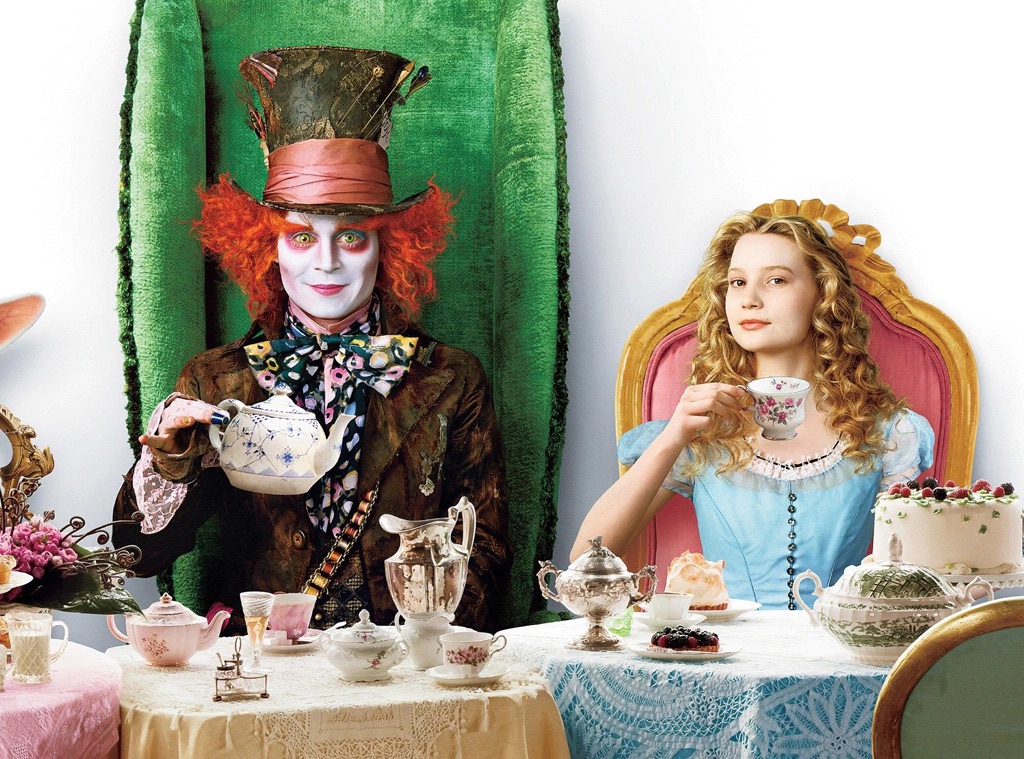
Alice in Wonderland by Lewis Carrol
5. Interview a Character
Have a couple of teachers dress as very popular characters from novels and have them interviewed by the students. Students should ask them questions about what cannot be found in the books. A great way to encourage critical thinking!
6. Infographics
Students (individually, in pairs, or in groups) prepare an infographic (find an online app to help!) about their favorite book. They should add illustrations, information about the author, the plot, themes covered in the book, characters, a list of prizes the book may have won, info on whether there’s a movie based on the book, etc.
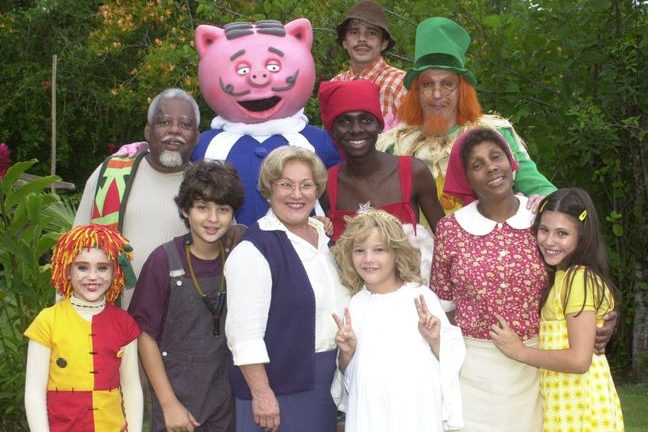
O Sítio do Picapau Amerelo by Monteiro Lobato
7. Library Contributions
Ask each student to contribute a book to the school library (used or new), with a note attached saying who contributed it. Students decide if they wish to leave the book at the library permanently as a gift to the school, or just for a couple of months. Raffle a new book amongst all the contributors.
A happy World Book Day to you! Don’t forget to let us know how you celebrated in the comments below.
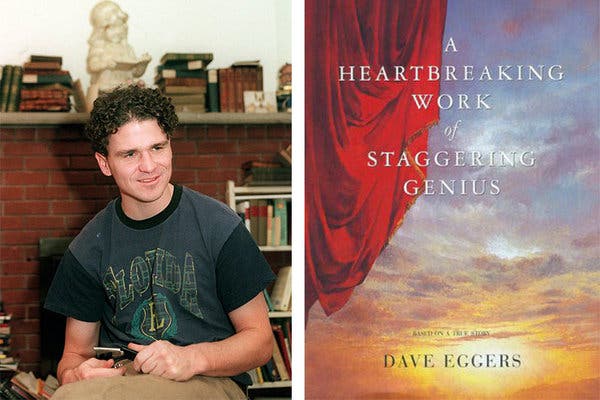
I read THE CIRCLE, and quite enjoyed it (even saw the movie, which is nothing special, though). But I had no idea how great a writer Dave Eggers is. I have just finished A Heartbreaking Work of Staggering Genius (23 years after it came out!) and was speechless. The language is brilliant, the story is funny and, indeed, heartbreaking at times (based on his autobiography as a 20-something-year-old orphan, having to raise his younger brother, who was 7 at the time both their parents died, 5 weeks apart from each other).
Besides, the structure of the book is rather unconventional, mixing different times and situations in the same sequence of paragraphs, and sometimes having characters break the fourth wall and discuss the book itself, adding to the originality of the work, and the pleasure of the reader. Even the preface and acknowledgments section are hilarious: Just read them if you wish (the author warns us) – I would say, do: After finishing the book!
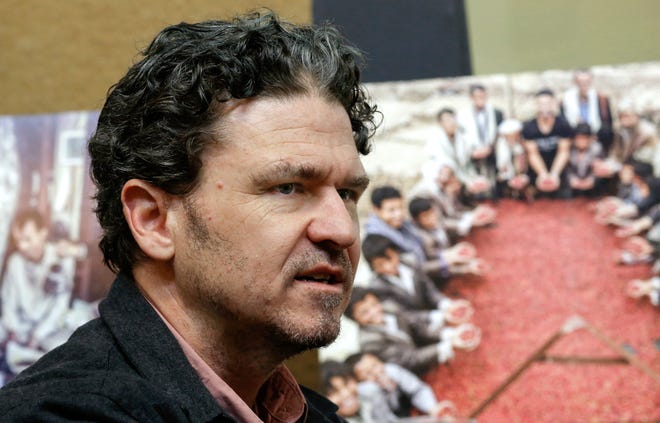
Dave Eggers – writer
Moreover, you feel you get to know San Francisco and even California, to some extent, pretty well by the time you finish the book. I had a chance to visit the state twice a couple of years ago, so was already kind of familiar with the place.
Now I’m getting ready to start THE EVERY, one of his latest books. Hope it does not disappoint.
Have you ever read any of Dave Eggers’s books? Would you like to share your impressions with us? Use the comments section below.
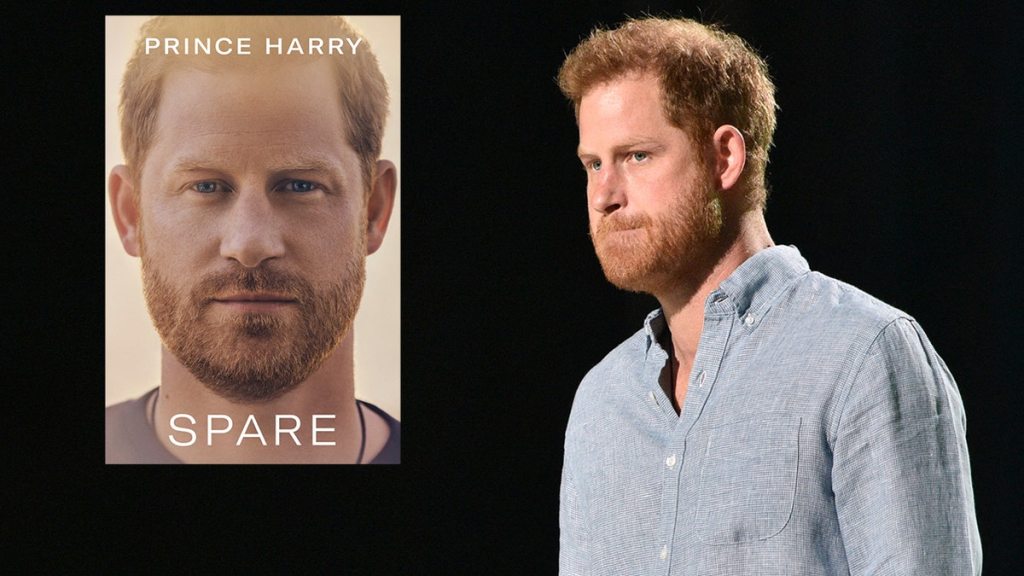
Why would a Brazilian, without a drop of British blood flowing through his veins, choose to read “Spare”? Well, stories of privileged but unhappy people managing to escape their gilded cages, spreading their wings and flying, as sings Elton John – one of Lady Di’s closest friends – in the song Skyline Pigeon, has always fascinated me. Rebels are my kind of hero. Besides, I couldn’t miss all the buzz surrounding the launch of the book.
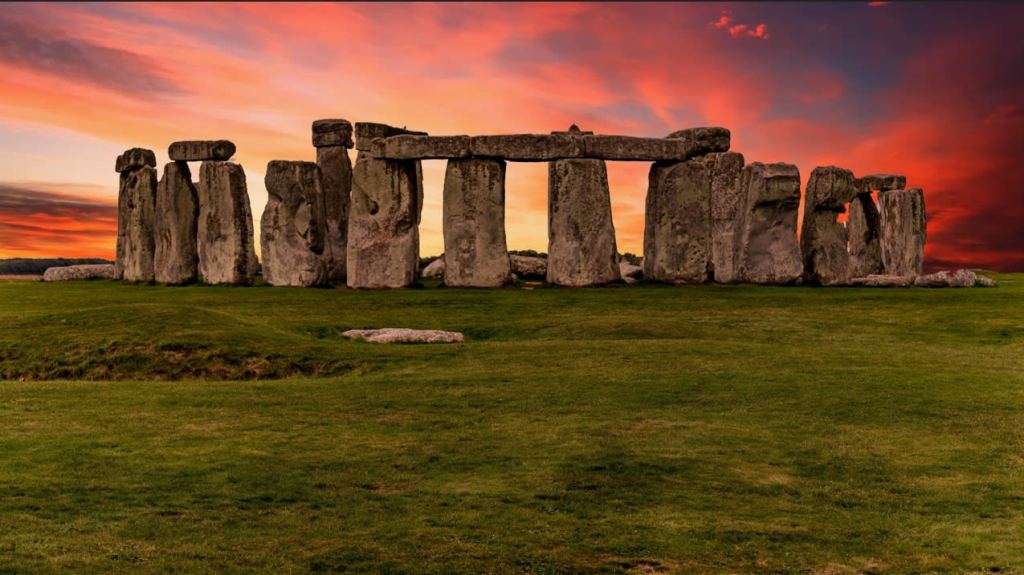
I lived in the UK for almost two years, ages ago (a very happy time in my life). It shouldn’t come as a surprise for those who know me that I simply love the English language (in all its variants), its literature, movies, and music. I also learned to like Marmite – an acquired taste! The National Gallery, Saint Paul’s Cathedral, and the Tube are also very close to my heart, as are the London parks and the colors of the land: green and gray. I paid three visits to Salisbury, just to experience Stonehenge in different seasons. Cornwall is a dream: The place I would love to grow old in.
Stonehenge
As for the British Monarchy, I never considered that institution something relevant to my life – I felt it was just an alien and outdated British cultural trait (although we did have something similar in Brazil for almost 400 years too). It fits into the same category of rugby, cricket, or EastEnders, the soap opera which had been running for centuries when I lived there.
I only began paying attention to the dysfunctional royal family, when Netflix’s The Crown started streaming – and, being told time and again by people who feel very strongly about it that it’s mostly fiction – I watch it as mere entertainment.
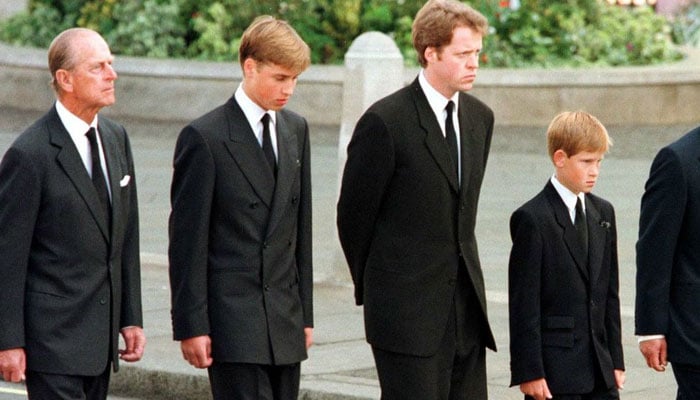
Years after I had come back to Brazil, the death of Lady Diana Spencer woke me up to the fact that the British Press was a weird and dangerous animal, but it did not really affect me – after all, I had never bought or even read a single page of a tabloid while I lived there, so did not even feel guilty. On the other hand, the image of a young Prince Harry walking behind his mother’s coffin left a painful and lasting impression: Actually, I never forgot it. As he grew up before the world’s eyes, contrary to what was portrayed in the media, I always considered him a normal boy, doing average stuff and making the same stupid mistakes we all did when we were young. Besides, he seemed rather lonely. I decided I liked him.
This long introduction is just to say that, Spare, his memoir, is a lot less whiny than I thought it would be. As a matter of fact, there’s quite a lot of humor, and I did enjoy it. The third and last part of the book is less exciting. After all, we all have heard about “When Harry met Meghan” – minus the hilarious fake orgasm scene in the restaurant, an iconic moment performed by Billy Crystal and Meg Ryan in the 80s movie with a similar title – more than we cared. However, I found it quite illuminating and sobering to know more about Harry’s education at Eton, the various palaces and estates the family owns, how the houses of the different members are distributed and allocated, his years in the Army (especially the boot camp passages), his trips to Africa and to both poles, and how the death of his mother traumatized him. The closeness and friendship that Harry seemed to share with his “granny”, the deceased Queen Elizabeth II, was also moving and unexpected.
It was also juicy gossip to find out how Charles, Camilla, and even his brother William, and their respective staff, are engaged in fiercely backstabbing each other to gain popularity in the media. The rivalry is so brutal that each camp gets to the point of leaking fake stories to the press to be seen as the good guys in the family.
Even if it’s all fiction, it’s well-written fiction, and makes for compelling reading. I recommend it.
I have just finished one of the most fascinating books I’ve ever read. I can’t wrap my head around it, though. I don’t really know what it meant. One can interpret it in a number of ways, and I have been doing that for the past few days. The meaning the author wanted to convey can be as elusive as the book’s subject matter: SCENT.
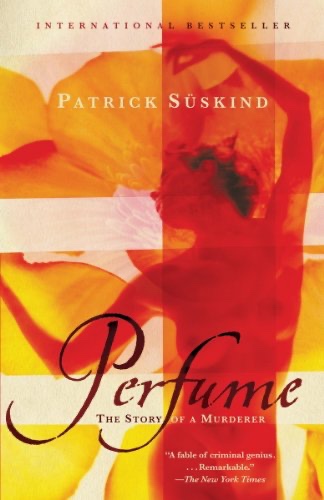
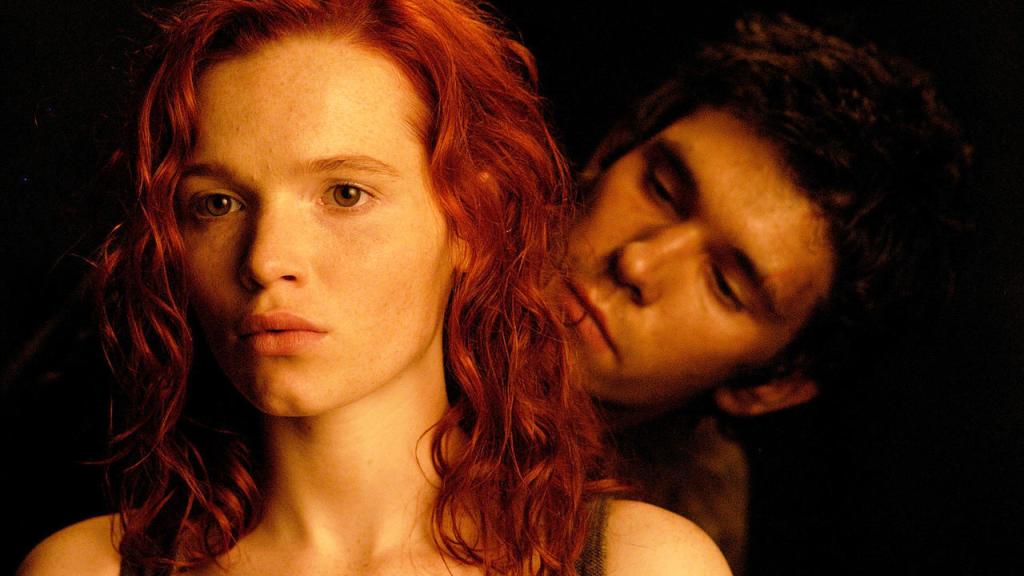
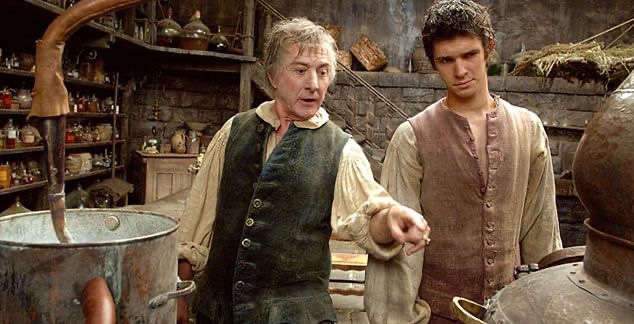
There was a copy of Perfume: The Story of a Murderer, by Patrick Süskind, at my mother’s house when I was in college. I never touched it. I’m glad I didn’t, as I’m sure I wouldn’t have liked it then, being too young to deal with its abstractions. Now I read the English translation from the German by John E. Woods: The language is amazing, a pleasure in its own right. I wonder what it sounds likes in the original. There’s a movie based on the book, but most of my friends told me it wasn’t nearly as good as the novel. So I guess I won’t see it.
The content of the book wafts from the page in its mixture of aromatic words, fragrant images, perfumed beauty, pungent corruption, and putrid evil. What does it mean to be human? What can satisfy a person? This is what the story seems to ask. Read this masterpiece and let’s discuss it.
However, after reading the book, you will never think of scent, odor, perfume, and stench – or France in the 18th century for that matter – in the same way again.
Have you read the book? What are your thoughts about it? Let us know.
I have always been fascinated by certain houses in novels. They exert a strange power over me, especially if they are part of gothic stories. Maybe because I have been living in apartments for more than half of my life now, I am somewhat jealous of the large spaces, yards, porches, gardens, the lack of noisy neighbors, and maybe the safety of the proximity of the ground those houses provide – despite the fact that I was never in an earthquake, and, as a consequence, never experienced the trauma caused by these events, which causes most people who have been through them to wish not to live far from the ground.
I lived in a house for some time growing up in Recife, and those were some of the best years of my life. Of course, living there as a distracted child, then as a sullen and hormone-crazed teenager, and finally as an ultra-busy college student, I never fully appreciated what I had back then. I took it for granted. Then, I left the city, came to live in São Paulo, and, presently, my mother sold it and bought a huge apartment, which I fell in love with too, while I went there on vacation.
Well, all this is beyond the point, however. What I want to do in this post is just to list book houses that I felt particularly close to or fell in love with. Not all these books are classics, but they have always been popular and famous.
The houses in this post are not listed in order of preference. The list is random to a certain extent, as I wouldn’t be able to actually rank them in terms of the impact they had in my imagination. Here they are:
Wuthering Heights (Wuthering Heights, by Emily Brontë): Rustic, uncomfortable, subjected to the rough weather conditions of the Yorkshire moors, this was the house that brought Cathy and Heathcliff together – two of most beloved and passionate characters in literature. Becoming orphans at an early age, they grew up like savages, free and wild, running and playing around the dreary surroundings of the house, and eventually falling in love with each other. Cathy was the daughter of the place’s owner, Mr. Earnshaw, who died when she was still a child, and Heathcliff was a gypsy boy her father found in the streets of Liverpool on one of his business trips, and brought home to live with the family. The house mirrors all the brutality and violence of the novel’s plot. In addition to that, Cathy became the ghost that, in the future, would haunt Wuthering Heights forever, driving Heathcliff crazy.
2. Manderley (Rebecca, by Daphne Du Maurier): Owned by the wealthy Mr. Maximilian de Winter, the house is described in all its beauty. I love houses by the sea and this, located in breathtaking Cornwall, is one of them. Besides, there’s the mystery surrounding the widowed owner’s first wife, Rebecca, who seems to have drowned. She was rumored to have been on top of her game, beautiful, sophisticated, well-connected, adored by the sinister housekeeper, Mrs. Denvers, who would later give Max’s second wife (who remains nameless to the reader throughout the novel) a hard time. However, signs abound that there was something off about all that perfection during the first marriage. Did Rebecca’s personality really match the architectural magnificence of landscaped Manderley?
3. Thornfield Hall (Jane Eyre, by Charlotte Brontë): This is a different case altogether from the houses listed before. The main attraction is the mystery that involves the place. I lived in the UK for almost two years, but never had the chance to visit Yorkshire or see heathers. However, both Wuthering Heights and Jane Eyre, novels written by two sisters, fascinate me. Who wouldn’t become excited reading about a house with a mysterious attic, hiding a crazy woman? That’s the most important thing about gothic Thornfield Hall: Mr. Rochester, the romantic lead, has his first wife locked up in the attic, mad as a March Hare, while Jane knew nothing about it.
4. Gatsby’s mansion in Long Island (The Great Gatsby, by Scott Fitzgerald): The green light at Daisy’s dock, which Gatsby stares endlessly, signaling how close and yet so far the woman he has always loved lives with her wealthy husband Tom Buchanan, makes one of the attractions of the book. The green light is a powerful metaphor for ambition, desire and the struggle for great accomplishments at any cost. Gatsby, the man, personifies the American dream: from a poor background, he rose to acquire a mansion, expensive cars, and a glamorous lifestyle. He also constantly gives popular and orgiastic parties, but he still needs to get the ultimate prize: Daisy herself. The parties were the means he used to call attention to himself and attract her, but only when he befriends her cousin, Nick Carraway, the story’s narrator, and persuades him to orchestrate a meeting between him and Daisy, does he have a chance to try to rekindle her love. In the novel, the house is described as a nouveau-rich paradise, with all the extravagances and bad taste of these kinds of places,. Yet, it does not lack its allure. The green light, seen from his side of the bay, is the strong symbol that stays with the reader long after he finishes the novel.
5. The Dakota Building (Rosemary’s Baby, by Ira Levin): This is an exception, as it’s a condo and not a proper house. The building itself is the setting of one of the most disturbing movies I have ever seen, Rosemary’s Baby, directed by Roman Polanski. Later, it was the place where John Lennon and Yoko Ono had an apartment and lived, at the time he was shot and killed right in front of it in 1980. As for Rosemary’s Baby, neither in the movie nor in the novella that inspired it, the Dakota building is mentioned by name. In the book, the location is not even where it’s seen and recognized in the movie by those who are familiar with the Upper West side of Manhattan. However, most people who both read the book and saw the movie agree that the power of the story is Polanski’s credit. He turned what could pass for a simple and not very sophisticated thriller into one of the most successful movies of the 1960s, catapulting actress Mia Farrow, who played the main character, into worldwide fame. One interesting comment I read somewhere was that Polanski, a non-believer in religion, did not want to make it clear that the baby was the devil (or his son). He claimed that this would go against his beliefs. After all, if you don’t believe in God, you can’t believe in the Devil. So, he turned the plot into a more ambiguous and interesting story – there’s the possibility that Rosemary could be delusional and paranoid, imagining that she was in the clutches of a coven whose leaders are her neighbors in the dark building, and that her own husband and her trusted gynecologist were in on the conspiracy.
6. The House on Matacavalos Street (Dom Casmurro, Machado de Assis): That is the setting of one of my favorite Brazilian novels. Today, this street, in the district of Santa Teresa, has the name of Riachuelo. When the main character, Bentinho, starts narrating the story of his life, already a middle-aged man, resentful and a recluse, the house he spent his childhood in had already been demolished, but it held such a symbolic reference to him that he had it rebuilt, in exactly the same way, only in another neighborhood. And that’s where he lives in the present, nursing his traumas and pains. The original house was next door to Capitu’s, the main female character of the novel, and the love of his life. Those neighboring houses witnessed the birth and blossoming of a sweet and romantic love story between teenagers growing up together. The story is told subjectively from the point of view of an unreliable character, Bentinho, so, as a result, the reader can never be sure whether his estranged wife Capitu was really unfaithful to him, having had an affair and got pregnant by his best friend, Escobar.
What are your favorite book houses? Let us know by leaving your choices in the comments section below.
Reading is one of the great pleasures of life. It’s an acquired taste, though. It doesn’t develop naturally. The habit of reading starts at home. Kids will probably develop a liking to books eventually, if they see their parents reading; if there are shelves with books around; if they are allowed to spend time in libraries and bookstores just playing with and touching books; or if they are read to by their caretakers. I grew up among books, and many people in my family read for pleasure, so, for me, it was easier to tackle the complex task of going through words and sentences and trying to make sense of them. It gets better and easier with practice.
In addition to giving pleasure, there are many other proven benefits associated with reading. Here are some of them:
1. It’s entertaining. Reading is a wonderful and relatively cheap hobby. It helps you pass the time; it takes your mind off problems; it’s relaxing. You go places and meet interesting people in the stories you read.
2. Books can be mentors. It’s said that to develop a professional skill or hone a natural talent, one needs coaching and mentoring. Not everyone can get these services. Great leaders, artists and people who stand out in their jobs and careers have always been mentored. Books can take this role. If you don’t have access to a human mentor, read their written words. Buy his/her biography. Books will even give you the opportunity to follow a number of mentors and get from them what suits you better. Vicarious experience can be a great source of learning.
3. Reading improves your creativity. Of course, the most direct consequence of reading is improving your writing skills. There’s nothing like exposure to good writing to put you in the right direction of writing well and more creatively. But reading also opens many other doors in your brain: You develop new perspectives and insights. You add new knowledge to what you had accumulated before and.. bang!…all of a sudden you come up with a super original idea. Innovation leads to success.
4. You will never feel lonely again. Have you ever travelled alone? Maybe not as a hobby, but, sometimes, you need to do that for work. And it can be very lonely. If you like reading, books will be friends you can take along with you wherever you go: Especially now, when you can have your whole library on your smartphone or tablet, being able to download a new title at the touch of a button.
5. Reading can be a life-changing experience. Some books have such a profound impact on people that they actually change the course of their lives. They give you such new angles on things, you decide to behave in a different way or start something new. They may make you go to another country; start a new career; decide to take a course on a new subject, change your investment plans (thousands of people have, for example, reported how the personal finance book Rich Dad, Poor Dad, by Robert Kiyosaki, has changed the way they think about their future).
6. Reading makes you smarter. It affects your brain in very powerful ways, creating new synapses (connections), improving your memory, broadening your attention span. Reading is the best brain workout. Great leaders are readers and this should say enough about how the activity boosts the powers of your mind.
7. Studies have indicated that reading can be a strong protection against the onset of brain diseases such as Alzheimer’s and dementia. It looks like the exercise brains go through when submitted to the effort of decoding, processing and linking words, making sense of passages and connecting them with what was read before acts as a shield against those conditions.
8. Reading reduces stress. It changes your mental context, makes your focus on something other than your most immediate worries; calms you down, and helps improve your general health.
9. In the context of foreign language learning, reading is the most powerful skill in acquiring a new language. Reading in the target language – starting with simplified, graded readers and progressively moving on to unabridged books – is the strongest way to consolidate the grammar, vocabulary and linguistic functions you have been studying, as you observe them being used communicatively in its natural context.
10. Books will make you a better person. Reading about other people’s problems and lives, be them fictional or real; learning about how other people feel and see the world; exposing yourself to different dreams, passions, and aspirations; all this opens up your mind and boosts your empathy. As a result, you become a lot more tolerant of diversity and turn into a more evolved human being.
Are there any other benefits you would like to add to this list? Please feel free to write your comments below.
The Booker Prize or The Man Booker Prize for Fiction – initially called the Booker-McConnell Prize, due to the company which sponsored it – is an English literary prize created in 1968. It is awarded to the best novel of the year. At first, only Commonwealth, Irish, and Zimbabwean writers were eligible, but as of 2013, the eligibility was extended to any novel written in English and published in the UK. Being awarded, or even shortlisted for it, is a great honor, as the prize warrants success and fame for every writer who’s associated with it.
As a voracious reader, I can assure you that, whenever you finish a novel and are left with that familiar void, yearning for another great book to come your way, taking a look at the Booker Prize list of winners or shortlisted books is a great way to begin your search. You will hardly be disappointed.
The list below is my personal choice of great Booker Prize Winners. I’m sure they will stay with you long after you finished reading them, as the language is stunning and the plots are both original and gripping. The books below are listed according to the year they received the prize:
Paddy Clark Ha Ha Ha by Roddy Doyle (winner of the 1993 Booker Prize)
Funny, moving and poignant, this novel is told from the perspective of a 10-year-old Irish boy growing up in the 1960s. As he narrates his experiences – using the logic and language of childhood – we get to know his discoveries, games and adventures with his little brother, the relationship between his parents and the daily routine of his family. Despite the cheerful tone of the book, at some point, readers begin to suspect they are being misled by the unreliable narrative of a child: not everything is going well at home, the truth is his parents are drifting apart and about to break up.
Amsterdam by Ian McEwan (winner of the 1998 Booker Prize)
Three former lovers cross paths at the cremation of their common mistress, Molly Lane, without realizing that the meeting will be a turning point in their lives. Their careers and personal lives will be cleverly manipulated by the woman’s jealous and resentful widower, George, who will set them on a collision course with one another, crafting a spiderweb of blackmails, mutual blames and lies, tabloid stories, debauched cross-dressing photographs, sinister euthanasia doctors and, ultimately, violence and tragedy. Clive Linley, one of the lovers, is a musician who, after attending the cremation, embarks on a depressive behavior, worried that he may get sick and die as young and unexpectedly as Molly. As a consequence, he is having a mental block, which prevents him from finishing up the Millennium symphony he was assigned to compose. Fame and recognition are at stake here and he is frantic (the language used by the author to describe the composer’s creative process and its drawbacks is already a good reason to make you love the book); Molly’s second lover, Vernon Halliday, is a mediocre editor of a serious and conventional newspaper whose circulation and readership are going seriously down. He is suddenly given the chance to resort to dirty and cheap tabloid tactics to try to reverse the process, publishing intimate photographs which are likely to destroy the family life and career plans of the third lover, Julian Garmony, a foreign secretary with aspirations of becoming prime minister.
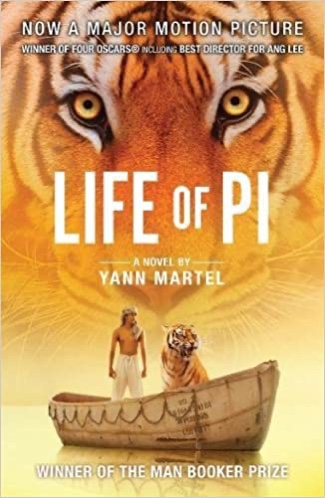
Life of Pi by Yann Martel (winner of the 2002 Booker Prize)
A hymn to religious tolerance, a celebration of life in all its forms, and the recognition of the power of storytelling make Life of Pi an unforgettable novel. The story contrasts myth and reason, religion and science, asking the reader to compare the effectiveness of simply narrating the factual sequence of events of a journey with the alternative of fictionalizing it through the use of allegories. Which version would you choose as the more insightful and helpful way to understand the world? A Canadian writer in search of ideas for his new book is promised the opportunity to hear a story that will make him believe in God. With this aim, he agrees to meet and listen to the life story of an Indian man who spent 227 days adrift in the Pacific Ocean, sharing a lifeboat with none other than a Bengal tiger, after the shipwreck of the Japanese cargo ship which would take his family to Canada. Brutal, scatological, philosophic, funny and poetic, Life of Pi saddens, cheers and inspires the reader, who will certainly come out of the experience loving tales and metaphors even more than when he started the book.
Wolf Hall by Hilary Mantel (winner of the 2009 Booker Prize)
The first part of this trilogy tells the known story of the marriage of Henry Tudor and Anne Boleyn and all the political, religious and social upheavals involved in making it happen. The novelty is the choice of perspective chosen by the author, who decides to focus the novel on a lesser historical character, whose life details are not very well-known: Thomas Cromwell. Choosing Cromwell – who rises from being the son of a Putney blacksmith to Master Secretary of the kingdom, due to his intelligence and cunning – as the protagonist of the story allows the author to fill in the blanks of history books with her fertile imagination, transporting and placing the reader smack in the middle the exciting events that happened more than 500 years ago.
Bring up the Bodies by Hilary Mantel (winner of the 2012 Booker Prize)
This is the second volume of the Cromwell trilogy, and, in my opinion, better written and even more exciting than the first – to me, it sounds like the author finally found the best way to tell the story. Despite all the efforts and machinations of the court to bring Anne Boleyn and Henry Tudor together, causing England to sever links with the Catholic Church, and antagonizing its powerful neighbors in Europe by appointing Henry VIII the head of the Church of England, the queen fails to deliver a male heir and will have to be ousted. Craftily paving the way to Henry’s new marriage to Jane Seymore, Cromwell will become Anne’s main nemesis, ruthlessly plotting the annulment of her marriage and driving her to a thunderous fall, which will bring many others down with her. Terrific reading.
Have you read any of these books? Share your comments with us. Also, watch this space for further suggestions on the wonderful books out there you may not have heard about.
Oscar and Lucinda is one of those books that grow in the reader’s mind over time. The unforgettable and powerfully written novel by Peter Carey, winner of the 1988 Man Booker Prize, tells the improbable love story between a religiously obsessed English young man and a compulsive Australian heiress.
Oscar has a gambling problem. He loves horse races. Lucinda, on the other hand, adores glassworks and cannot resist a game of cards.
Lucinda purchases the oldest Glass Factory in Sydney. The story takes place in the 19th century and culminates with the couple’s joining forces on the biggest (and strangest) bet of their lives: gambling on the transportation of a glass church across the Outback from Sydney to the remote Bellingen, 400 km up the coast of New South Wales. This is certainly one of the most outlandish and beautiful literary visions I’ve come across as a reader in a long, long time.
In 1997, the novel was made into an acclaimed movie directed by Gillian Armstrong, starring Cate Blanchett and Ralph Fiennes.
Cate Blanchett – who plays Lucinda in the movie version.
The questions below are fairly open-ended. They are intended to be incorporated into the list of others you are possibly already using during your book club’s sessions. It helps to have a mediator to conduct the discussions. There are no absolute right or wrong answers, so I would recommend the members of the group be flexible, welcoming and respectful of other people’s opinions and interpretations. Enjoy:
1. Where did Oscar live as a child (country, region, city)? Where did Lucinda live as a child (country, region, city)?
2. Why did Oscar start moving away from his father’s religion to become an Anglican?
3. What did Oscar do for a living? What about Lucinda?
4. Where/When did Oscar and Lucinda first meet? And what was Oscar’s greatest fear at that point?
5. What feelings developed when they decided to play cards for the first time, and how did the storm change the situation?
6. How did Oscar morally reconcile religion and gambling?
7. How does a Glassworks or glass factory reflect Lucinda’s own personality?
8. Would you consider Lucinda a feminist ahead of her time? Give us three examples of her behavior in the story that would justify this idea.
9. What is the passage (or passages) in the novel that will probably linger in the readers’ minds after they’ve finished it?
10. If you were Peter Carey, the author, list three things you would have changed about the novel before it was published. Your answer can be about the characters, the plot, the location, the times or the ending.
Choose a couple of the questions above and answer them in writing in the comments space below, if you wish.











 Jorge Sette "Linguagem"