Highlights from the book Machado de Assis: A Literary Life, by K. David Jackson


In his in-depth work, K. David Jackson, Professor of Portuguese at Yale University, focuses on the oeuvre of Machado de Assis, rather than on more personal aspects of his life. If, on the one hand, you wish you’d get to know more about the man behind some of the greatest works of the Latin American literary canon, Jackson’s choice is understandable. Machado was a very private person, who led a rather uneventful and quiet life, totally devoted to his artistic objective: the construction of a philosophical and fictional world.
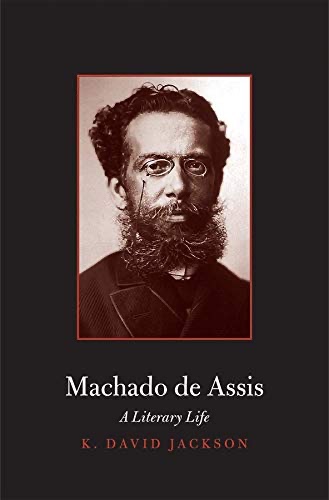
This detailed work by K. David Jackson isn’t, therefore, your typical biography, but a fascinating study of Machado’s output, illuminating unsuspected aspects of his fiction and acquainting the reader with hidden facets of his creative process.

Here are some of the most engaging points made in the book:

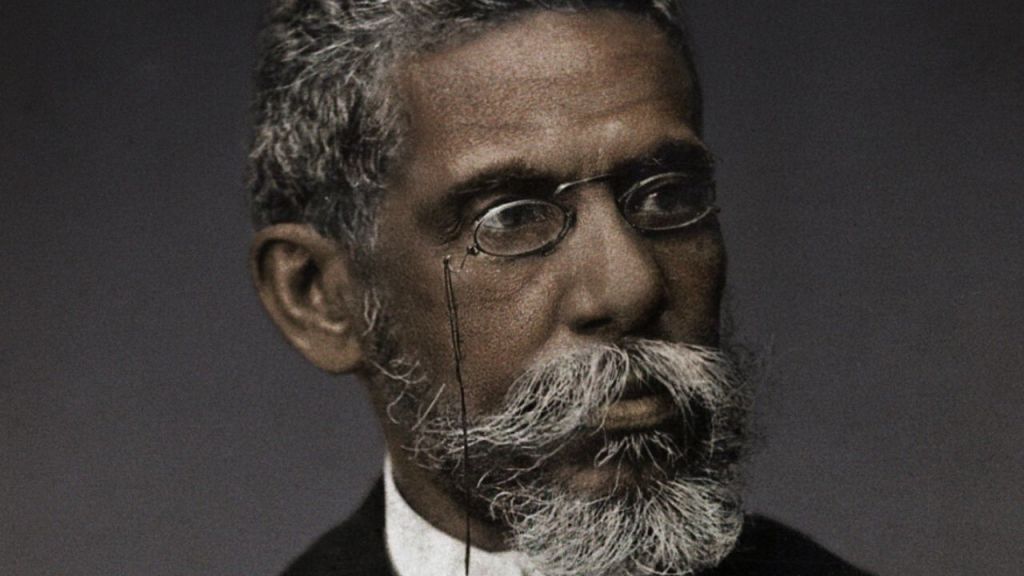
1. Biographical landmarks: Machado de Assis, known as the Wizard of Cosme Velho (the neighborhood in Rio de Janeiro where he lived), was the co-founder and first president of the Brazilian Academy of Letters (1897). His most famous works are the Carioca Quintet (a set of five novels published from 1881 to 1908: The Posthumous Memoirs of Brás Cubas; Quincas Borba; Dom Casmurro; Esau and Jacob; Counselor Aires’ Memoirs). He died in 1908 at the age of 69. His image was used on a Brazilian banknote in 1988, and he was the featured author at the International Literary Festival Party of Paraty (FLIP) in 2008, to celebrate the centenary of his death.

Brazilian academy of Letters

2. His importance: According to Jackson, Machado’s writings ought to be placed alongside the works of Dostoevsky, Gogol, Hardy, Melville, Stendhal, and Flaubert.

3. Innovation: Having started off as a romantic writer and progressively become associated with the Realist artistic movement in Brazil, Machado is said to have anticipated the modernist narrative features found in Proust, Joyce, T.S. Eliot, Camus, Mann, and Borges.

4. Features: Machado’s work is hybrid and cannibalistic (intertextual). Through extensive reading, he assimilated and digested an incredible amount of information on Western culture as a whole (arts, music, philosophy, and literature), and based on these sources produced a very original body of work, using the social context of the city of the Rio de Janeiro during the Empire as a means to discuss and represent, mainly through parody and satire, universal truths and human dilemmas.

5. His most important works (such as The Posthumous Memoirs of Brás Cubas and Dom Casmurro) feature unreliable character-narrators, whose hallucinations dreams and obsessions are said to anticipate Freud’s psychoanalytic theories.

6. Theater and opera: These are among the main influences in the construction of the fictional space of Machado de Assis. Rio de Janeiro hosted a great number of European theater and opera companies in the 19th century, which allowed Machado to be exposed to a lot of comedic operas (opera buffa) and plays, which are not only frequently referenced in his fiction, but are also woven into the fabric of his works.

7. Shakespeare’s Othello: the classic story of the Moor who kills his wife Desdemona out of jealousy is reflected in the feelings – if not the actions – of important protagonists of Machado’s fiction. Othello is, for example, one of the main inspirations of Bento Santiago, the character-narrator of Dom Casmurro, whose insecurity and obsessions prompt him to write his memoirs as a way of persuading himself and the readers that his wife, Capitu, had an affair with his best friend Escobar, bearing an illegitimate son, Ezequiel.
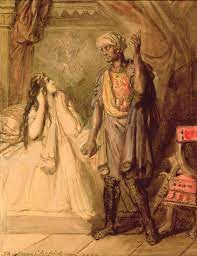
Desdemona and Othello, Théodore Chassériau, 1847.

8. Social Darwinism and Positivism – dominating scientific theories at the time – were strongly criticized and ridiculed by Machado, especially through the fictitious philosophy of HUMANITAS, summarized by the motto To the Victor, the Potatoes, created by the mentally unstable character Quincas Borba, who first appeared in The Posthumous Memoirs of Brás Cubas. He later made a comeback in the novel Quincas Borba (although, in typically oblique Machadian fashion, he’s not the protagonist of the book).

9. Main themes: Machado’s work is a profound depiction of Rio de Janeiro society during the Empire. This microcosm, however, is used by the author only as a familiar context for the highlighting of universal themes, such as legitimacy, chastity, honesty, hypocrisy, adultery and cruelty, which receive a modernist treatment in his hands.
If you haven’t had the chance to read Machado de Assis yet, K. David Jackson’s book will surely whet your appetite. For those, like me, who have read and reread Machado on a regular basis, Jacksons’ work was a surprising and welcome source of new interpretations of the familiar novels and short stories the Brazilian author is most famous for.

Jorge Sette

5 Killer Audiobooks for All Kinds of Listeners


I have always been a huge fan of audiobooks. I have been reading them since they were available only on cassettes. My number 1 priority when purchasing audiobooks was a practical one: I used them to improve my English. They were a fun way to learn pronunciation and new words.

BE59A919-6259-4C11-8E95-F4EFD7FBE949_4_5005_c


Then I started to enjoy the stories and the information they conveyed as well, since I have always been keen on both fiction and non-fiction books. At that point, they were already available on CDs, and, whenever I went to the US on business trips, I would make a point of purchasing a number of audiobooks at Barnes and Noble. They came in huge boxes, some containing up to 10 CDs, which made them hard to pack and bring back home. But the sacrifice was well worth it.

With the advent of the iPod, I graduated to e-files. Then I could download dozens of audiobooks on my device and carry them along happily in my pocket. Although I prefer reading books, listening to them has its advantages, as you can multitask as you do it – in my case, I can only listen to audiobooks and do other things at the same time if the latter are mechanical and do not require concentration: non-intellectual, menial work. I can’t listen to a story while I do my tax returns, for example, or when I’m filling in a business spreadsheet. However, listening to audiobooks while you are doing the dishes, cleaning your house, shopping for groceries, riding a bike, working out at the gym or going for a walk is an awesome experience. Lying on the beach is also a good moment to have your audiobook on. If you have not done that yet, it’s an experience I strongly recommend. You will not regret it.

4448E4D0-4C2F-4EE5-9707-52537D90D650

By now, I have a huge library of audiobooks from Audible.com, and, in this post, I am going to list five of my all-time favorites. Some of them are fiction, others, non-fiction. I don’t discriminate, and you shouldn’t either. The more exposure to different kinds of books you get, the more broad-minded you will become. It’s enlightening to start to see the world from as many different perspectives as you can. Here’s my list;

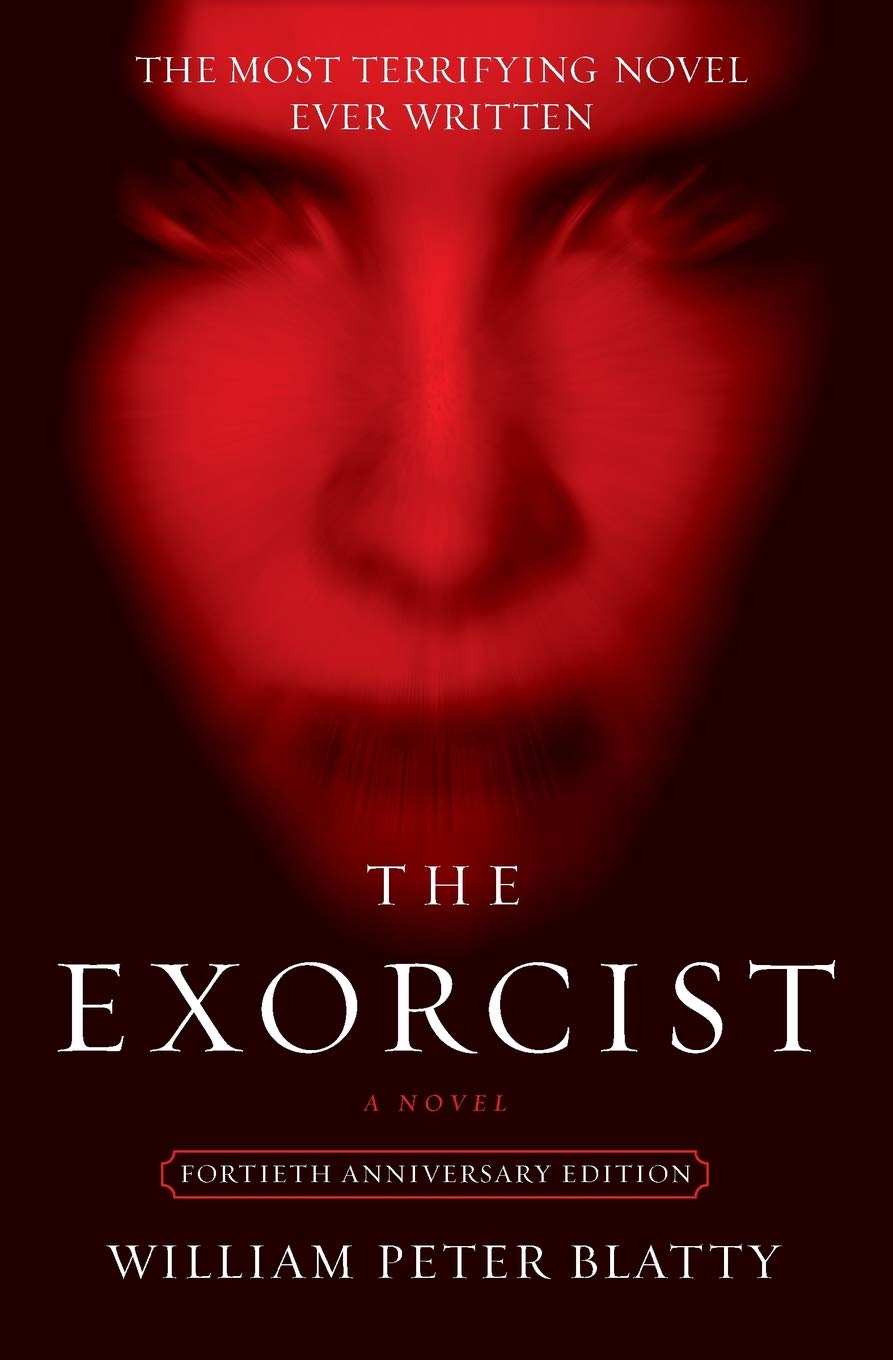
  • The Exorcist (written and narrated by William Peter Blatty): I’m fascinated by this story and have been exposed to it in every shape and form. I have read the print book a couple of times, watched the movie dozens of times and I have it as an audiobook too. I consider it a classic in all respects. It’s thrilling, exciting and you can’t turn it off once you start listening to it. The story can ben interpreted on so many levels it would be hard not to please the fussiest reader (listener). Very literally, it can be read as the story of a teenage girl possessed by the Devil. Metaphorically, one can interpret the novel as an allegory of the battle between good and evil you go through when are young and vulnerable, not having made your main decisions in life yet. It can be also be read as how we fear what we don’t know, and, also, as how powerful motherly love can be.


2D7A839D-FD6D-4AE2-ABA5-707EC19F7D34


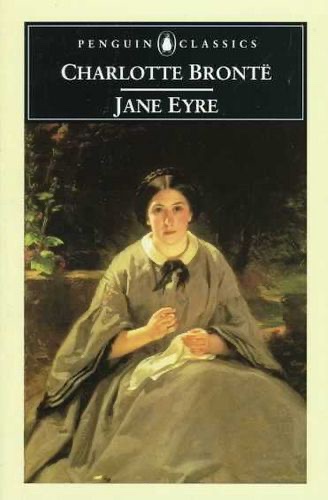
  • Jane Eyre (Charlotte Brontë, narrated by Juliet Stevenson): This is the quintessential romantic novel. The funny thing is that it’s not the love story per se that sustains my interest in this book – which I must have read/listened to a dozen times. I love the gothic atmosphere of Lowood, the charity school for poor and orphaned girls Jane grew up in; later one, Thornfield Hall, the house she works as governess seems like a fantastic place to live in, with its dark atmosphere of mystery and the horror emanating from the inexplicable cries and yells that come from the attic of the old mansion. I relish the rough and unforgiven countryside she runs into, when she tries to escape her failed marriage to Mr. Rochester: The humidity of the weather, the rough beauty of the heather, and the wild rugged rocky terrain of the desolate Yorkshire landscape. If you share this peculiar taste for gloom, you are more than welcome to join in the listening of this masterpiece.


53B2287B-3786-45DD-9F50-C8EC471E319E_4_5005_c


  • The World According to Garp (written by John Irving and narrated Michael Prichard): This novel was my first contact with New England writer John Irving. I first had the book in print. I may have still been in college at the time, and the story had a strong impact on me. I had never come across anything so strange and new: The book was funny, sad, weird, ironic and poignant. The fact that the story was located in a small college town and the main characters lived on the campus made me fall in love with the academic life. Possibly, reading Garp made me want to become a writer for the first time in my life. Feminism plays a strong role in the novel and that, also, opened my eyes to what many typical Latin American males like myself could not see at the time. This is basically the story of a very independently-minded nurse, Ellen, who decides to get impregnated by a fatally wounded Second-World-War pilot who comes under her care in a coma, as a vegetable. However, she notices, he is able to keep an erection. Ellen sees that as a unique opportunity to have a child and avoid any dealings with the father, as it’s clear the patient will not live much longer. So she takes measures into her own hands, so to speak, and ends up pregnant. Garp, the kid born out of this strange connection, is named after what she understood the father’s name was, as the pilot could only babble some words.


356F7ACC-399C-467F-9C9B-150C33482D26_4_5005_c


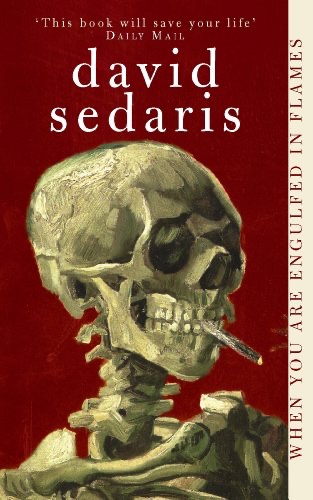
  • When You are Engulfed in Flames (written and narrated by David Sedaris): Sedaris is the ultimate comedian of our times. In this sixth collection of essays, the openly gay writer remains as ironic and outrageous as ever. A typically jaded New Yorker (despite the fact that he was born and grew up in Rayleigh, North Carolina – into a very dysfunctional family of Greek origin, whose members he ruthlessly depicts in his stories), this audiobook is ideal to listen to on a long car or bus trip. It will keep you laughing throughout the journey, as you hear his troubles trying to make coffee without water; the anecdotes he tells about the friends he made living in the countryside of France; his experience, while on a plane, having a throat lozenge fall from his mouth into the lap of the asleep passenger sitting next to him, with whom he happened to have had a row minutes before. Hilarious.


3ECCBA40-115F-49D2-BB7B-A662A1B38C6A_4_5005_c


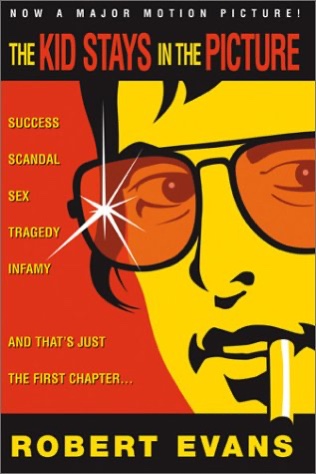
  • The Kid Stays in the Picture (written and narrated by Robert Evans): is the autobiography of mega-powerful Hollywood producer Robert Evans. It tells the gripping story of his rise and fall. If you like cinema in general, especially the great movies that came out of North American studios in the late 1960s and early 1970s, you will love to listen to the audiobook. Evans was one of the most powerful producers of his day, having close contact with the greatest celebrities of the time, such as Marlon Brando, Al Pacino, Mia Farrow, and Ali MacGraw, to whom he was married. The story is so outrageous, funny, and revelatory that it was turned into a film documentary in 2002. You will hear compelling backstage stories of how movies such as Rosemary’s Baby, Love Story, Chinatown, andThe Godfather and were cast and made.

E6136A7E-33A4-46A7-9291-867B0DB04E52_4_5005_c

Warning: it goes without saying that audiobooks must be unabridged and well-read. Also, it’s important that you like the reading voice. Therefore, listen to the sample before completing your purchase.

Jorge Sette