Eight World-Famous Celebrities who Speak Portuguese Fluently as a Foreign Language


Portuguese is among the top 10 most spoken languages in the world, and it should not come as a surprise that some world-famous celebrities have learned to speak it fluently. Whether through personal connections, professional reasons, or sheer curiosity, these celebrities have embraced the Portuguese language and culture. Here are some notable names:

Shakira

Shakira, the world-famous singer and dancer, learned to speak Portuguese because of her connection with Brazil. Early in her career, she worked extensively in Brazil and developed a love for the country and its language. Shakira’s dedication to learning Portuguese has paid off, and she is now quite fluent in it.

Annabelle Wallis

Annabelle Wallis, an English actress known for her roles in “The Tudors,” “Annabelle 2,” and “Peaky Blinders,” speaks Portuguese fluently. During her childhood, Annabelle lived in Portugal with her family for several years. Although she attended an international school, she picked up a lot of the Portuguese language and can speak it quite well.

J.K. Rowling

J.K. Rowling, the renowned author of the Harry Potter series, speaks Portuguese due to her time living in Portugal. From 1991 to 1993, Rowling lived in Portugal and married a Portuguese journalist, Jorge Arantes. This experience gave her ample opportunity to learn and practice the language. Rowling often replies to Portuguese fans in their native language.

Nelly Furtado

Nelly Furtado, a Canadian singer and songwriter, has Portuguese roots. Both of her parents are from the Azores, Portugal, and they emigrated to Canada when she was very young. Despite growing up in Canada, her parents ensured that she learned and spoke Portuguese fluently.

Ricky Martin

Ricky Martin, the Puerto Rican singer and actor, learned Portuguese due to his love for Brazil. With a significant fanbase in Brazil, Ricky Martin visited the country multiple times and made an effort to learn Portuguese to communicate directly with his fans..

Chris Hemsworth

Chris Hemsworth, the actor known for his role as Thor in the Marvel movies, is Australian. However, he picked up Portuguese through his travels and connections with Portuguese-speaking people.

Mira Sorvino

Mira Sorvino is an Oscar-winning American actress – for her performance in Woody Allen’s Mighty Aphrodite. She speaks Portuguese fluently, having learned the language during her time at Harvard University, where she pursued East Asian studies.

Ben Affleck

Ben Affleck, the American actor and filmmaker, also speaks Portuguese fluently. The reason is that he spent a year traveling around Portugal with his family. In addition to that, he briefly studied the language at the University of Vermont.

These celebrities have shown that learning a new language can be a rewarding and enriching experience. Whether for personal or professional reasons, their dedication to mastering Portuguese is commendable. Their ability to speak Portuguese fluently not only enhances their connection with Portuguese-speaking fans but also showcases their appreciation for the language and culture.

How about you? Interested in learning Brazilian Portuguese? Check out the ad below and reach out to us TODAY at: jorge.sette@terra.com.br


10 Reasons Why Portuguese as a Foreign Language is on the Rise Globally


In recent years, the world has witnessed a significant surge in the number of people learning Portuguese as a foreign language. This trend is not just a passing fad but a reflection of the growing importance of Portuguese on the global stage. Whether it’s for business, travel, or cultural enrichment, there are numerous compelling reasons to take up Portuguese. In this blog post, we will explore ten key reasons why Portuguese is becoming increasingly popular and why you should consider learning it too.

1. Portuguese is a Global Language

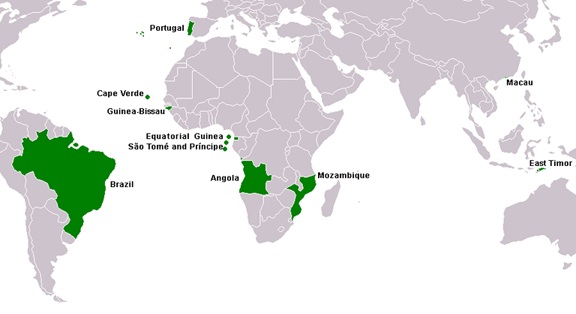
Portuguese is the sixth most spoken language in the world, with over 220 million native speakers. It is the official language of nine countries (plus Macau), including Brazil, Portugal, Mozambique, Angola, and several others. This widespread use makes Portuguese a valuable language for international communication and opens up opportunities in various regions across the globe.

2. Economic Opportunities in Brazil

Brazil, the largest Portuguese-speaking country, boasts one of the world’s largest economies. With its diverse industries, including agriculture, manufacturing, and technology, Brazil offers numerous business opportunities. Learning Portuguese can give you a competitive edge in the job market and help you tap into the economic potential of this vibrant country.

3. Rich Cultural Heritage

Portuguese-speaking countries have a rich cultural heritage that spans literature, music, dance, cinema, and cuisine. From the soulful sounds of Fado music in Portugal to the vibrant Carnival celebrations in Brazil, learning Portuguese allows you to immerse yourself in these unique cultural experiences and gain a deeper appreciation for the traditions and customs of these countries.

4. Travel and Tourism

Portuguese-speaking countries are popular travel destinations, known for their stunning landscapes, historical landmarks, and warm hospitality. Whether you’re exploring the picturesque streets of Lisbon, relaxing on the beautiful beaches of Rio de Janeiro, or embarking on a safari in Mozambique, knowing Portuguese can enhance your travel experiences and help you connect with locals on a more personal level.

Rio de Janeiro, Brazil

5. Academic and Research Opportunities

Portuguese is an important language in academia and research, particularly in fields such as Latin American studies, linguistics, and history. Many universities and research institutions offer programs and scholarships for students who are proficient in Portuguese. By learning the language, you can access a wealth of academic resources and collaborate with scholars from Portuguese-speaking countries.

6. Growing Influence in Africa

Portuguese is an official language in several African countries, including Angola, Mozambique, and Guinea-Bissau. These countries are experiencing rapid economic growth and development, making them attractive destinations for investment and business ventures. Learning Portuguese can help you navigate these emerging markets and build strong connections with local partners.

7. Enhanced Cognitive Skills

Learning a new language has been shown to improve cognitive skills, such as memory, problem-solving, and multitasking. Portuguese, with its unique grammar and vocabulary, can provide a stimulating mental workout and keep your brain sharp. Additionally, being bilingual or multilingual can enhance your overall communication skills and cultural awareness.

8. Access to Portuguese Literature and Media

Portuguese literature is rich and diverse, with renowned authors such as Fernando Pessoa, José Saramago, Machado de Assis and Clarice Lispector. By learning Portuguese, you can read these literary works in their original language and gain a deeper understanding of their nuances and cultural context. Additionally, you can enjoy Portuguese-language films, music, and television shows, further enriching your cultural experience.

9. Strengthening Personal and Professional Relationships

Knowing Portuguese can help you build stronger personal and professional relationships with Portuguese-speaking individuals. Whether you’re working with colleagues from Brazil, making friends in Portugal, or collaborating with partners in Angola, speaking their language can foster trust, respect, and effective communication.

10. A Fun and Rewarding Challenge

Learning Portuguese can be a fun and rewarding challenge. The language has a melodic quality and a rich vocabulary that can be enjoyable to learn and use. As you progress in your language journey, you’ll experience a sense of accomplishment and satisfaction that comes with mastering a new skill.

Conclusion

In conclusion, there are countless reasons to take up Portuguese as a foreign language. From economic opportunities and cultural enrichment to travel and cognitive benefits, learning Portuguese can open up a world of possibilities. So why not embark on this exciting linguistic adventure? Whether you’re a student, a professional, or simply a language enthusiast, Portuguese is a valuable and rewarding language to learn. Start your journey today and discover the many benefits of speaking Portuguese!

Note: Jorge Sette, M.A. in Applied Linguistics offers lessons of Brazilian Portuguese online. The number of spots is limited. Hurry up! Don’t hesitate to reach out to him at: jorge.sette@terra.com.br

10 Fascinating Facts About the Portuguese Language


Portuguese is one of the world’s most widely spoken languages, but there’s so much more to it than meets the eye. Here are ten intriguing facts about this beautiful and versatile language:

1. Portuguese Is the Official Language of 10 Countries

Portuguese is the official language of: Portugal, Brazil, Angola, Mozambique, Cape Verde, Guinea-Bissa, São Tomé and Príncipe, East Timor, Equatorial Guinea, Macau (the latter is not a sovereign country, but it recognizes Portuguese as an official language).

Together, these nations and regions form the Community of Portuguese Language Countries (CPLP).

2. Brazil Has the Largest Portuguese-Speaking Population

With over 220 million of the world’s Portuguese speakers, Brazil is the largest Portuguese-speaking country. As a matter of fact, Brazil accounts for more than 80% of all Portuguese speakers worldwide.

3. Portuguese Is the Fastest-Growing European Language

Portuguese is the fastest-growing European language after English. Its spread in Africa and its increasing relevance in global trade contribute to its rising prominence.

4. It Has Influenced Other Languages

Portuguese has left its mark on several languages, especially in Asia. For example, words like chá (tea) entered Japanese, Cantonese, and even English via Portuguese traders.

5. It’s a Romance Language

Portuguese evolved from Latin, just like Spanish, French, and Italian. Its closest linguistic relative is Galician, spoken in the Galicia region of Spain.

6. Portuguese Is the Sixth Most Spoken Language Worldwide

Portuguese has 265 million speakers, ranking as the sixth most spoken language in the world, following Mandarin Chinese, Spanish, English, Hindi, and Arabic.

Soccer – Ipanema Beach, Rio.

7. It’s One of the Most Phonetic Languages

Although Portuguese pronunciation may seem tricky at first, the language is relatively phonetic. Once you learn the rules, it’s often possible to pronounce words correctly by reading them.

8. Many Portuguese Words Have Arabic Origins

When the Moors ruled the Iberian Peninsula, they introduced many Arabic words into Portuguese. Common examples include açúcar (sugar), alface (lettuce), álcool (alcohol), alfazema (lavender) almofada (pillow), marfim (ivory), azeite de oliva (olive oil), and algodão (cotton).

9. There Are Unique Portuguese Sounds

Portuguese has sounds that are rare in other Romance languages. For instance, nasal vowels (marked by a tilde, like in ocupação) are a distinctive feature that can be challenging, and, yet, interesting to learners.

10. It’s One of the Oldest Modern Languages

Portuguese was officially recognized as a language in 1290 by King Denis of Portugal. He founded the first Portuguese university and declared that the Vulgar Language (spoken Portuguese) should replace Latin as the official language in legal documents.

Conclusion

Portuguese is a rich and fascinating language with a global footprint. Whether you’re learning it for travel, business, or cultural appreciation, these facts highlight its historical and linguistic significance. Did any of these surprise you? Let us know in the comments!

NOTE: I give online classes of Brazilian Portuguese for foreigners. If you are interested, don’t hesitate to reach out: jorge.sette@terra.com.br

Jorge Sette


Why study Brazilian Portuguese?


Here are five compelling reasons to study Brazilian Portuguese:

1. Cultural Richness

Brazil is home to a vibrant culture that includes music (samba, bossa nova, MPB, rock and funk), dance, literature, cinema, art, and cuisine. Learning Portuguese allows you to immerse yourself fully in this rich cultural heritage.

2. Professional Opportunities

Brazil has the largest economy in Latin America and is a key player in industries like agriculture, energy, and technology. Speaking Portuguese can open doors for careers in international business, tourism, and diplomacy.

3. Communication with Over 220 Million Speakers

Portuguese is the official language of Brazil, the largest Portuguese-speaking country in the world. Learning the language allows you to connect with millions of people across the globe.

4. Travel and Exploration

Brazil is a diverse and breathtakingly beautiful country, offering destinations like the Amazon Rainforest, stunning beaches, Rio de Janeiro, Iguaçu Falls, Salvador and São Paulo. Speaking Portuguese enhances travel experiences by helping you connect with locals and navigate the country with ease.

Ipanema and Leblon

5. Linguistic Enrichment

Studying Brazilian Portuguese provides insights into the evolution of Romance languages and strengthens your understanding of grammar and vocabulary, particularly if you already know another Romance language like Spanish or French.

Would you like additional reasons or guidance on resources for learning?

I’m offering one-to-one lessons of Brazilian Portuguese for foreigners. The lessons are online but the spots are limited. Join today! Don’t hesitate to reach out to us at: jorge.sette@terra.com.br

Jorge Sette.